The Beauty Budget Nobody Plans For: Rising Health Costs at Home
When coverage gets pricier, everyday health and beauty routines often become the first quiet cuts. A smarter response is to protect the basics before small preventive habits turn into bigger bills later.
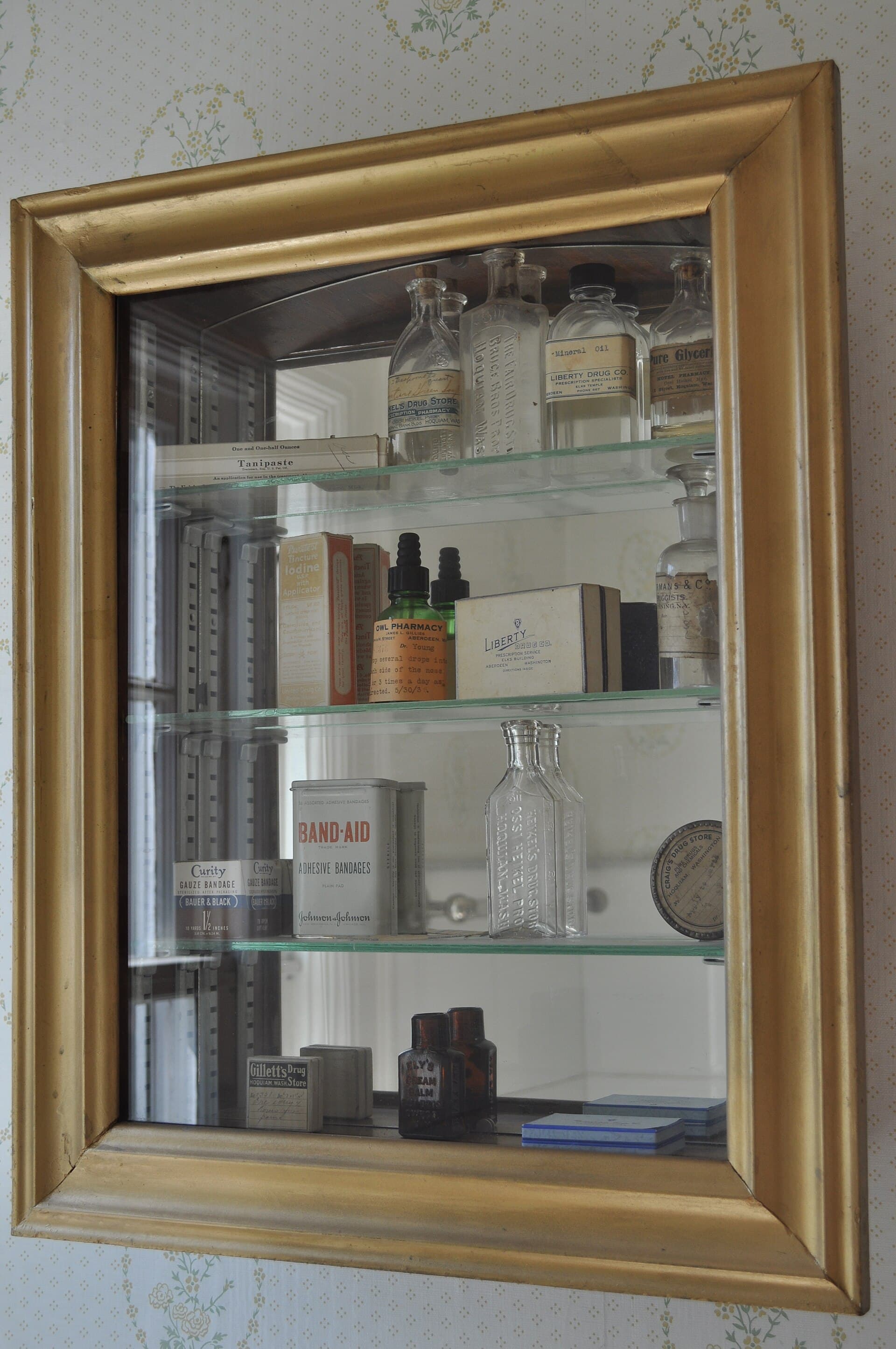
When health coverage gets more expensive, the impact doesn’t stay in the insurance paperwork. It shows up in the bathroom cabinet, the skipped skin check, the delayed prescription refill, and the decision to stretch one more month before booking a routine visit. For a lot of households, health and beauty spending is really maintenance spending, and that’s exactly where people start trimming when monthly costs feel tight.
The frustrating part is that the cheapest-looking cut is often the most expensive one later. Skipping preventive care, ignoring scalp or skin issues, or putting off vision and dental appointments can turn manageable problems into stressful ones. A practical strategy is to treat the basics like non-negotiables: prescriptions you rely on, sunscreen, simple dental care, and the appointments that help catch problems early. Trendy products can wait; maintenance usually can’t.
This is also the moment to get more selective, not more aspirational. A crowded shelf of half-used wellness and beauty buys can quietly cost more than one solid over-the-counter treatment that actually gets used. If money is getting squeezed, it makes sense to build a routine around fewer, multipurpose essentials and to ask more questions before paying out of pocket. Generic options, telehealth for appropriate needs, and in-network preventive visits may not feel glamorous, but they are often where real savings live.
There’s a broader lesson here for anyone trying to keep a household budget steady: looking healthy and staying healthy are more connected than marketers sometimes admit. The glow-up worth protecting is the boring one—sleep, checkups, prescriptions, and daily care that keeps small issues from becoming expensive emergencies. When costs rise, the smartest move is not to abandon self-care. It’s to redefine it around what truly keeps you well.
Photo: Joe Mabel via Wikimedia Commons (CC BY-SA 3.0).

Related stories

What to Keep at Home When Air Quality Feels Out of Your Control
Big environmental health stories can feel distant until the air outside smells off or your throat starts to notice. A practical home setup can’t solve the source of pollution, but it can make everyday life more manageable.

Why Bigger Health Systems Only Matter If Care Gets Easier
Major healthcare expansion sounds impressive, but most families feel the impact in much smaller ways: appointment wait times, travel, and the cost of basic care. The real win is convenience people can actually use.
The Health Costs Worth Questioning in Your Everyday Routine
Big promises about fixing health care can feel distant, but most people deal with the system through everyday bills, refills, and checkout counters. A practical place to start is getting sharper about the small charges and habits that quietly add up.