The Best Health Shortcut Might Be Better Questions, Not Better Apps
As medical AI tools get smarter, the real win for everyday patients may be simpler visits, clearer next steps, and fewer missed details. The most useful version of this trend is practical: helping people ask better questions and follow through on care.

A lot of health-tech coverage focuses on futuristic breakthroughs, but most Americans would settle for something much more basic: getting clearer answers faster. If smarter tools can help doctors summarize symptoms, flag possible follow-up questions, and explain treatment plans in plain language, that’s not flashy — it’s genuinely useful. In a health system where appointments can feel rushed, even a little extra clarity has real value.
The most promising part isn’t replacing a clinician. It’s reducing the friction that makes routine care feel confusing and expensive in time, energy, and missed work. Plenty of people leave visits unsure about what to do next, when to come back, or which symptom actually matters. If new tools can turn a messy conversation into a simple action plan, that could make decent care feel more accessible long before anyone talks about revolutionizing medicine.
There’s also a practical consumer angle here: better care often starts with better preparation. Patients who walk into an appointment with a clean symptom timeline, a current medication list, and a few specific questions usually get more out of the visit. Technology that helps organize that information could be more valuable than yet another wellness app asking you to track everything and change nothing.
The catch, of course, is trust. People don’t need a health chatbot that sounds confident while being wrong, and they definitely don’t need one more tool that adds noise to an already stressful process. The version worth rooting for is the one that makes human care easier to access, easier to understand, and easier to use in real life. If that happens, the biggest upgrade in health care may feel surprisingly ordinary — fewer headaches, fewer misunderstandings, and a better chance of leaving the doctor’s office knowing what comes next.
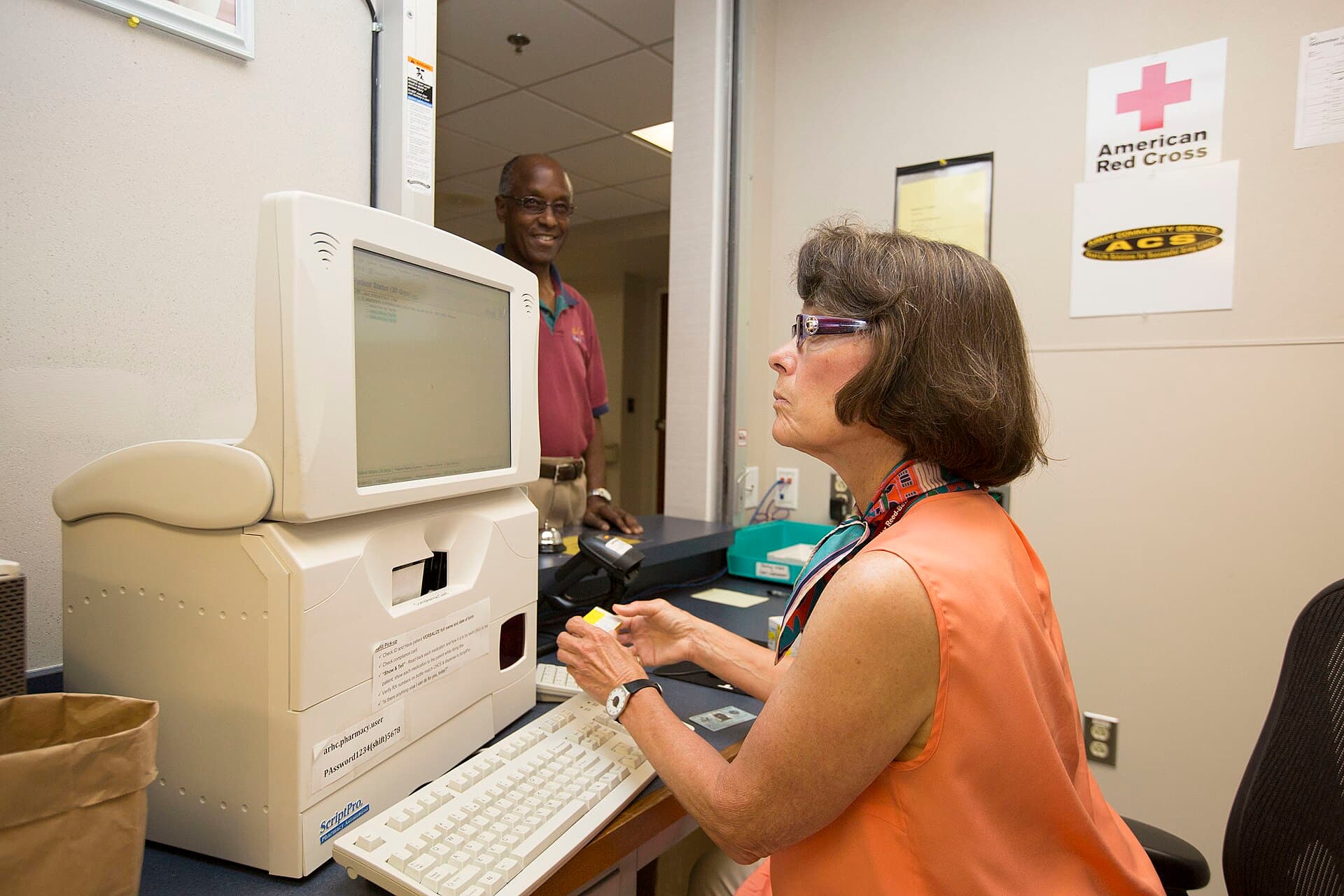
Photo: AnonymousUnknown author via Wikimedia Commons (Public domain).

Related stories

What to Keep at Home When Air Quality Feels Out of Your Control
Big environmental health stories can feel distant until the air outside smells off or your throat starts to notice. A practical home setup can’t solve the source of pollution, but it can make everyday life more manageable.

Why Bigger Health Systems Only Matter If Care Gets Easier
Major healthcare expansion sounds impressive, but most families feel the impact in much smaller ways: appointment wait times, travel, and the cost of basic care. The real win is convenience people can actually use.
The Health Costs Worth Questioning in Your Everyday Routine
Big promises about fixing health care can feel distant, but most people deal with the system through everyday bills, refills, and checkout counters. A practical place to start is getting sharper about the small charges and habits that quietly add up.