The Brain-Health Gear Check We Don’t Talk About Enough
When people think about service-related safety, they usually picture visible protection first. But repeated blast exposure is a reminder that brain health deserves the same practical, everyday attention as any other piece of essential gear.

Most Americans understand the idea of protective gear in a physical sense: helmets, eye protection, body armor. What gets less everyday attention is the quieter kind of wear and tear that can build up over time, especially when someone’s job repeatedly puts them near blasts. Brain health can feel abstract until it becomes personal, which is exactly why it should be treated as part of routine readiness instead of a niche medical concern.
For military families, veterans, and anyone who works in loud, high-impact environments, this is a practical culture issue as much as a medical one. The real question is whether headaches, mood changes, sleep problems, memory slips, or trouble concentrating are being taken seriously early enough. Too often, people normalize these symptoms as just stress, fatigue, or part of the job, and that mindset can delay the kind of support that makes daily life easier.
There’s also a broader lesson here for civilians: invisible strain deserves visible systems. That can mean better screening, less stigma around speaking up, and more consistent follow-up after training or operational exposure. In regular life, we’ve gotten better about treating sunscreen, earplugs, and ergonomic setups as basic prevention. Brain health should be folded into that same common-sense category rather than saved for a crisis.
The slightly uncomfortable truth is that prevention rarely feels urgent when someone still seems fine. But waiting for obvious problems is a bad national habit, whether the issue is hearing loss, burnout, or cognitive health. If repeated blast exposure is part of the conversation, then long-term brain care should be too—not as an extra benefit, but as standard maintenance for people asked to do extraordinarily demanding work.
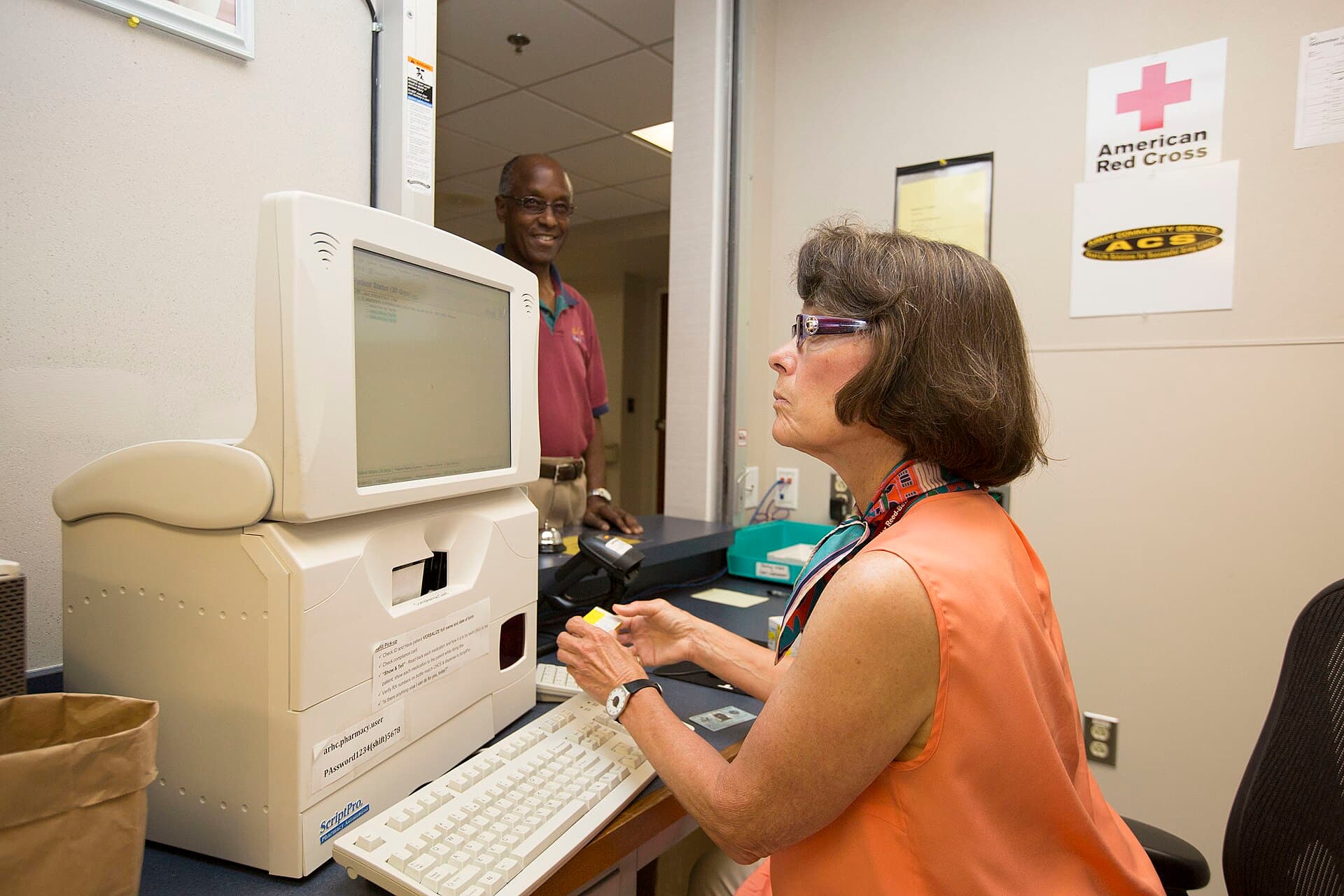
Photo: NATO Training Mission-Afghanistan via Wikimedia Commons (CC BY-SA 2.0).
.jpg)
Related stories

What to Keep at Home When Air Quality Feels Out of Your Control
Big environmental health stories can feel distant until the air outside smells off or your throat starts to notice. A practical home setup can’t solve the source of pollution, but it can make everyday life more manageable.

Why Bigger Health Systems Only Matter If Care Gets Easier
Major healthcare expansion sounds impressive, but most families feel the impact in much smaller ways: appointment wait times, travel, and the cost of basic care. The real win is convenience people can actually use.
The Health Costs Worth Questioning in Your Everyday Routine
Big promises about fixing health care can feel distant, but most people deal with the system through everyday bills, refills, and checkout counters. A practical place to start is getting sharper about the small charges and habits that quietly add up.