Your Car Screen Isn’t a Couch: The New Common-Sense Rule on Streaming Behind the Wheel
As dashboard screens get bigger and apps get more tempting, states are starting to treat in-car streaming like the distraction it is. For drivers, this is less about culture-war outrage and more about resetting basic expectations before every commute turns into a second-screen experience.
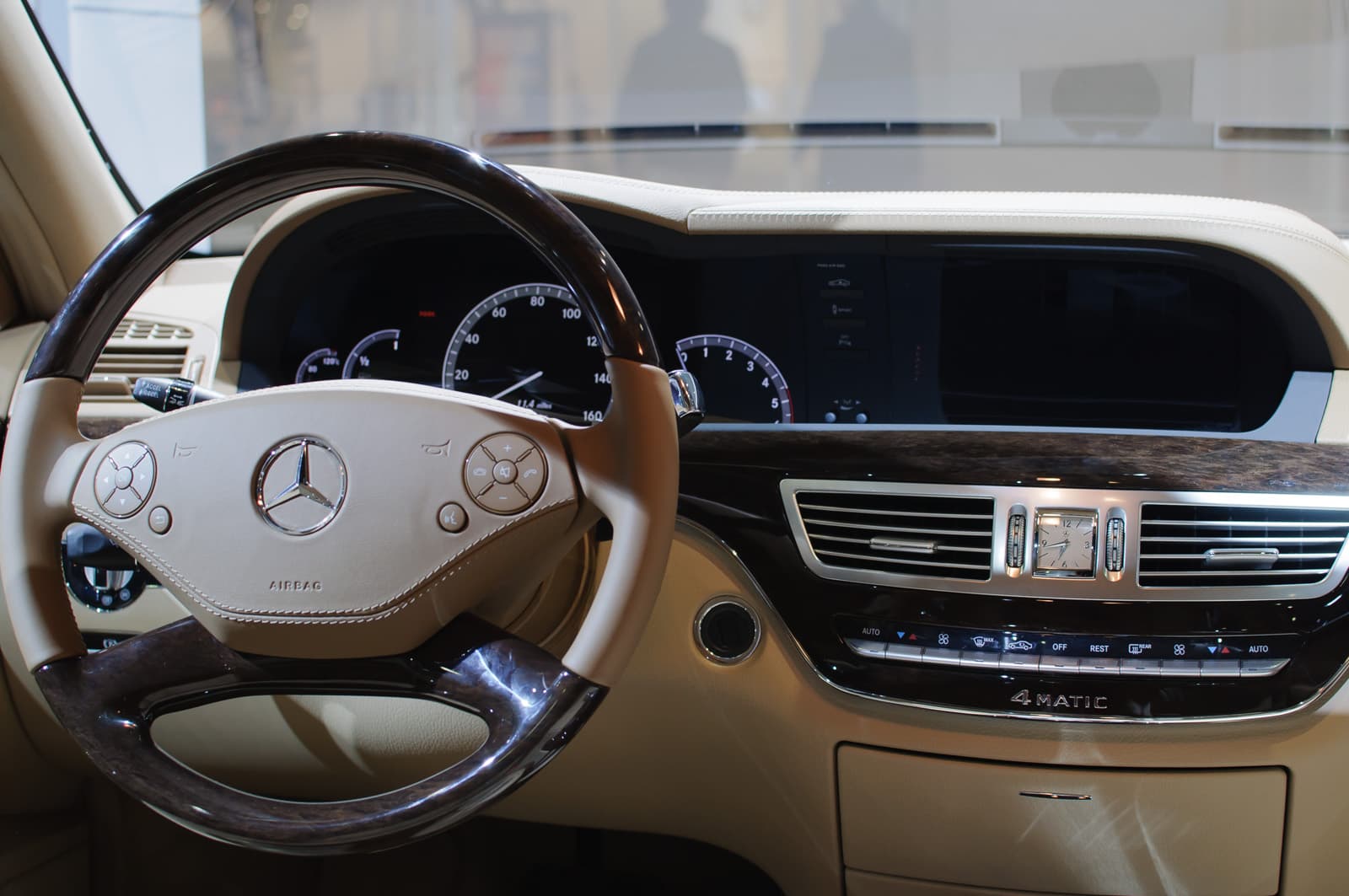
There was a brief moment when giant touchscreens in cars felt futuristic in a fun way. Now they mostly feel like a test of self-control. If a vehicle can look like a tablet, people will eventually try to use it like one, and that means the law is finally catching up to behavior that never made much sense in the first place: watching video while driving.
For most drivers, this is one of those rules that should not require a big philosophical debate. Navigation is one thing. A quick glance at directions, music, or traffic is already plenty to manage. Streaming shows, live video, or anything designed to hold your eyes for more than a second turns a routine drive into an attention gamble, and everyone else on the road ends up participating without consent.
The practical takeaway is simple: treat your car screen like an instrument panel, not an entertainment center. Set up maps before you leave, queue audio instead of video, and if someone in the car wants to watch something, let it stay on a passenger’s device where it belongs. The convenience of connected cars is real, but convenience has a way of drifting into distraction unless drivers draw a hard line for themselves.
This is also a good reminder that modern tech rarely arrives with perfect social rules attached. Phones did this to restaurants, speakers did it to hiking trails, and giant screens are doing it to cars. A lot of everyday civility now depends on remembering that just because a device can do something doesn’t mean the setting makes it acceptable. Behind the wheel, that line should be especially easy to see.
Photo: skinnylawyer from Los Angeles, California, USA via Wikimedia Commons (CC BY-SA 2.0).
_-_Flickr_-_skinnylawyer.jpg)
Related stories
Why Reality-TV Fiction Feels So Easy to Believe Right Now
Stories that borrow the look and rhythm of reality TV can feel uncannily convincing. For viewers, that makes entertainment more immersive—but also a little trickier to watch without getting pulled into the performance.

Your Next Movie Night Deserves Better Than the Algorithm
Trending movie lists can be a useful shortcut, but they work best when you treat them like a starting point instead of a verdict. The smartest pick for tonight is the one that fits your mood, your group, and how much attention you actually want to give it.
Your Weekend Watchlist Needs One Comfort Pick and One Chaos Pick
The smartest way to choose something to stream isn’t chasing the loudest release. Build a better night in by pairing one easy crowd-pleaser with one movie that actually surprises you.