The Cheapest Wellness Upgrade Might Be Your Workday Routine
Big health resets are easy to postpone, but small changes to the way you work can pay off every day. A few practical shifts at your desk, on your feet, and around your lunch break can make work feel less draining.
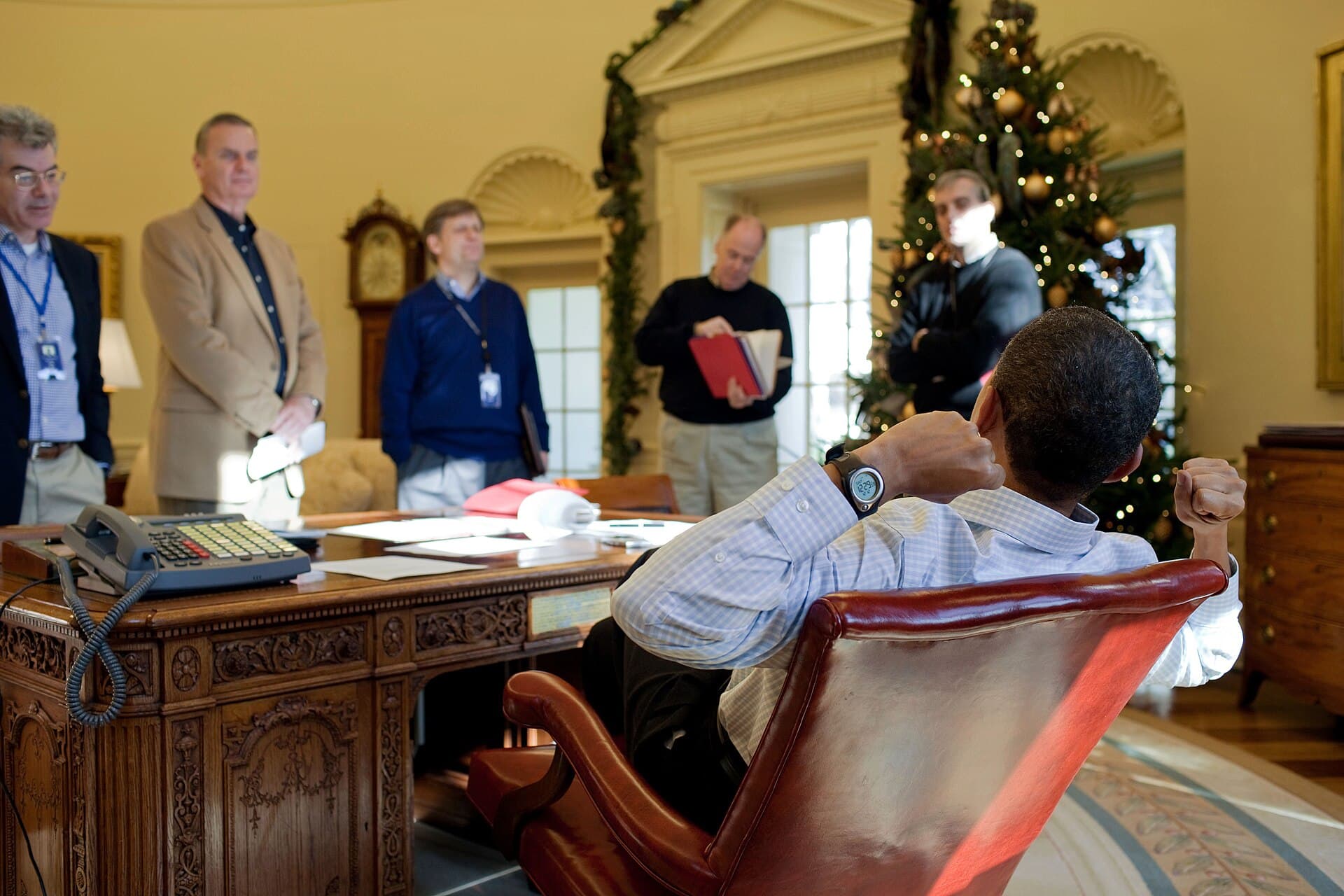
A lot of wellness advice asks you to become a different person overnight: wake up earlier, meal prep more, train harder, meditate longer. Most people do not need a dramatic reinvention. They need a workday that is a little less punishing. If you spend most of your week at a desk, in meetings, or on your feet, the habits built into your job can shape how tired, stiff, hungry, and distracted you feel by the time you get home.
One of the most useful changes is to stop treating movement like a separate event that only counts if it happens at the gym. Standing up between tasks, walking during a phone call, taking the longer route to the restroom, or doing a quick stretch before opening the next email can break up the kind of stillness that makes the whole day feel heavy. These tiny resets are not glamorous, but they are realistic, and realistic habits are the ones that tend to stick.
Food and focus matter just as much. A rushed lunch at your keyboard usually leaves you feeling like you never actually took a break, and that can turn the afternoon into a fog of snacking and scrolling. Even ten minutes away from your screen can help draw a line between work modes. Keeping water nearby, eating something with actual staying power, and protecting one short pause in the middle of the day may not look impressive on social media, but it can make your evenings feel a lot more like your own.
The bigger point is that health is not only built before 9 a.m. or after 6 p.m. It is also built in the ordinary choices you repeat while you are on the clock. If your current routine leaves you achy, wired, or wiped out, that is not a personal failure. It is a sign to redesign the day you already have instead of waiting for the perfect one.
Photo: The White House from Washington, DC via Wikimedia Commons (Public domain).
.jpg)
Related stories

What to Keep at Home When Air Quality Feels Out of Your Control
Big environmental health stories can feel distant until the air outside smells off or your throat starts to notice. A practical home setup can’t solve the source of pollution, but it can make everyday life more manageable.

Why Bigger Health Systems Only Matter If Care Gets Easier
Major healthcare expansion sounds impressive, but most families feel the impact in much smaller ways: appointment wait times, travel, and the cost of basic care. The real win is convenience people can actually use.
The Health Costs Worth Questioning in Your Everyday Routine
Big promises about fixing health care can feel distant, but most people deal with the system through everyday bills, refills, and checkout counters. A practical place to start is getting sharper about the small charges and habits that quietly add up.