When Your Doctor Network Changes, Your Self-Care Budget Changes Too
A hospital-insurance deal may sound abstract, but it can quickly affect appointments, prescriptions, and how much stress you carry month to month. For many families, restored in-network access is really about getting everyday care back on predictable terms.
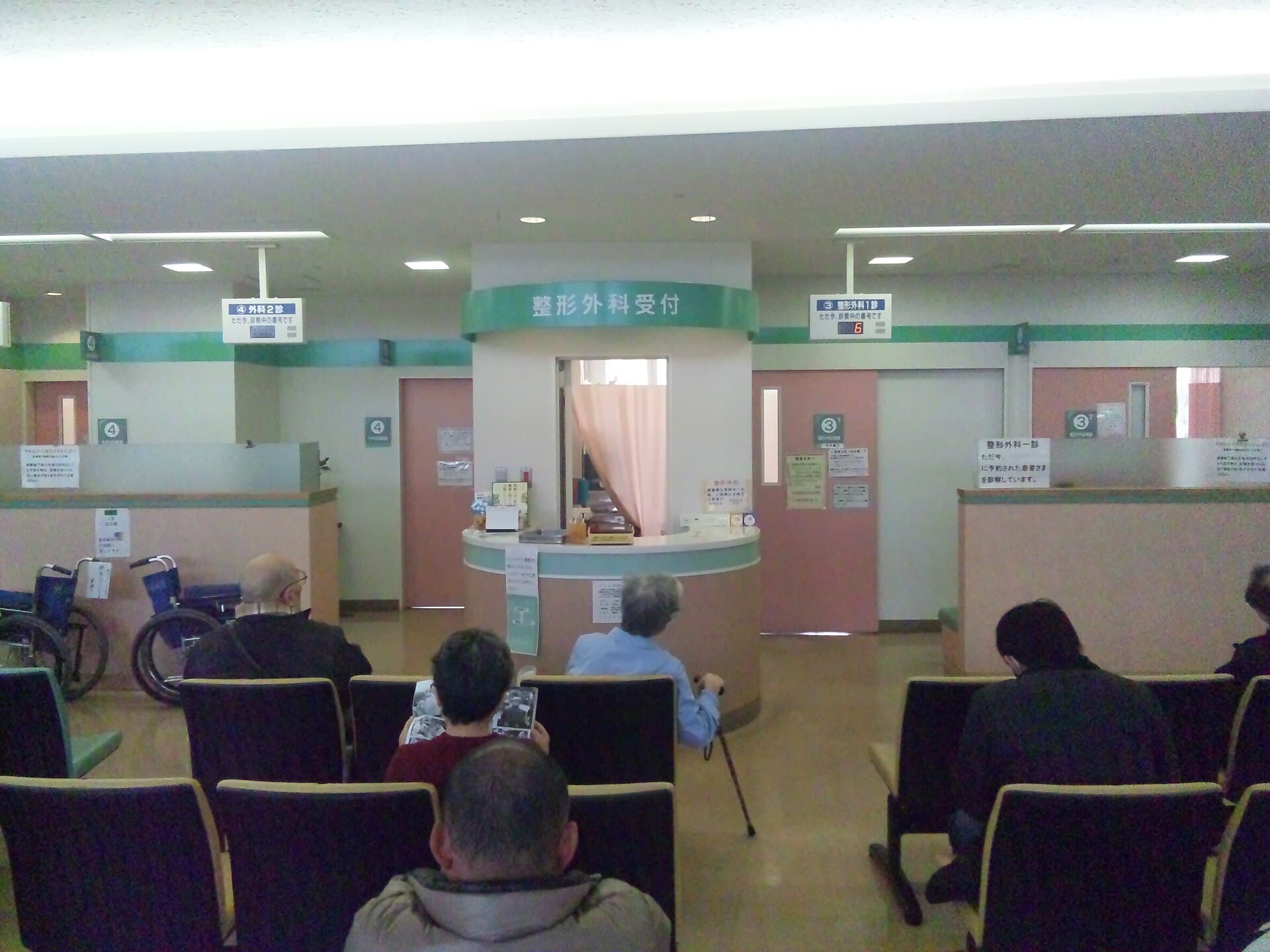
Most people do not follow contract negotiations between health systems and insurers until a bill, a canceled appointment, or a surprise out-of-network warning lands in their lap. But these agreements shape something very ordinary: whether routine care still fits inside your budget and schedule. When in-network access returns, it is not just a corporate update. It can mean less time on the phone, fewer delayed checkups, and a little more confidence about saying yes to the care you already knew you needed.
This matters in Health & Beauty more than it first appears. Skin concerns, preventive visits, prescription renewals, specialist referrals, and follow-up care all get harder when coverage is uncertain. People often postpone the “non-urgent” stuff first, even when that is the care that keeps small problems from becoming expensive ones. Stable network access makes it easier to keep up with the unglamorous basics that actually support how you look and feel: sleep, stress management, preventive care, and treatment you do not have to second-guess financially.
The practical move right now is simple: do not assume everything updates automatically. If your care was interrupted, check that your doctors, facilities, and upcoming visits are showing as in network, and review any standing referrals or recurring services. This is also a good moment to refill prescriptions, reschedule delayed appointments, and download fresh insurance documents so you are not relying on outdated information the next time you need care quickly.
There is a bigger lifestyle lesson here, too. A good deal is not only about a lower sticker price; it is about predictability. In health care, predictability is its own kind of wellness product. When families can plan around covered care instead of brace for billing chaos, they are more likely to use the services that keep them healthy in the first place. That is not flashy, but it is one of the most useful upgrades a household can get.
Photo: 硲彪 via Wikimedia Commons (CC BY-SA 3.0).

Related stories

What to Keep at Home When Air Quality Feels Out of Your Control
Big environmental health stories can feel distant until the air outside smells off or your throat starts to notice. A practical home setup can’t solve the source of pollution, but it can make everyday life more manageable.

Why Bigger Health Systems Only Matter If Care Gets Easier
Major healthcare expansion sounds impressive, but most families feel the impact in much smaller ways: appointment wait times, travel, and the cost of basic care. The real win is convenience people can actually use.
The Health Costs Worth Questioning in Your Everyday Routine
Big promises about fixing health care can feel distant, but most people deal with the system through everyday bills, refills, and checkout counters. A practical place to start is getting sharper about the small charges and habits that quietly add up.