Don’t Let the Feed Pick Your Vacation for You
A viral destination can be fun, but travel gets better when you separate useful inspiration from performative hype. A little skepticism can save money, crowds, and disappointment.
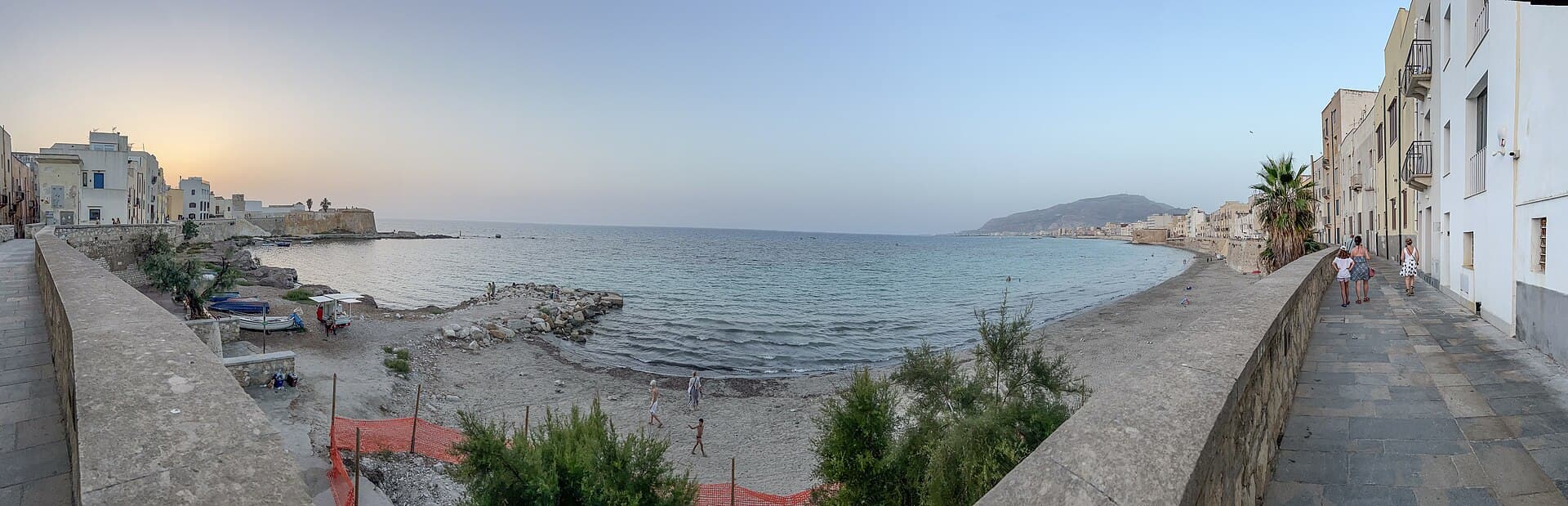
Social feeds are excellent at making one hotel pool, one cliff view, or one tiny alleyway look like the entire point of a trip. That can be useful if you need ideas, but it also turns travel planning into a race toward the same crowded photo spots. For a lot of Americans trying to stretch vacation days and budgets, following the algorithm too closely can mean paying more for a place that looks better online than it feels in person.
The smartest way to use social media for travel is to treat it like a tip sheet, not a travel agent. Save the posts that genuinely match your style, then verify the reality somewhere less curated: recent traveler reviews, transit maps, official park or museum pages, and local restaurant hours. If a destination only seems appealing from one camera angle, that is worth knowing before you book a flight.
There is also a budget angle people underestimate. Once a neighborhood or beach town becomes a recurring backdrop on short-form video, prices tend to feel the pressure through demand, even if the experience itself has not improved. Travelers who zoom out just a little often find a better deal one train stop away, a less famous season, or a nearby town with the same scenery and fewer lines.
The best trips usually leave room for places that are not trying so hard to be seen. Use the feed for inspiration, then build an itinerary around what you actually enjoy: quiet mornings, good food, walkable streets, easy public transit, or time outdoors. The goal is not to avoid popular places on principle. It is to make sure your vacation still feels like yours when the screen is off.
Photo: Krzysztof Popławski via Wikimedia Commons (CC BY-SA 4.0).

Related stories
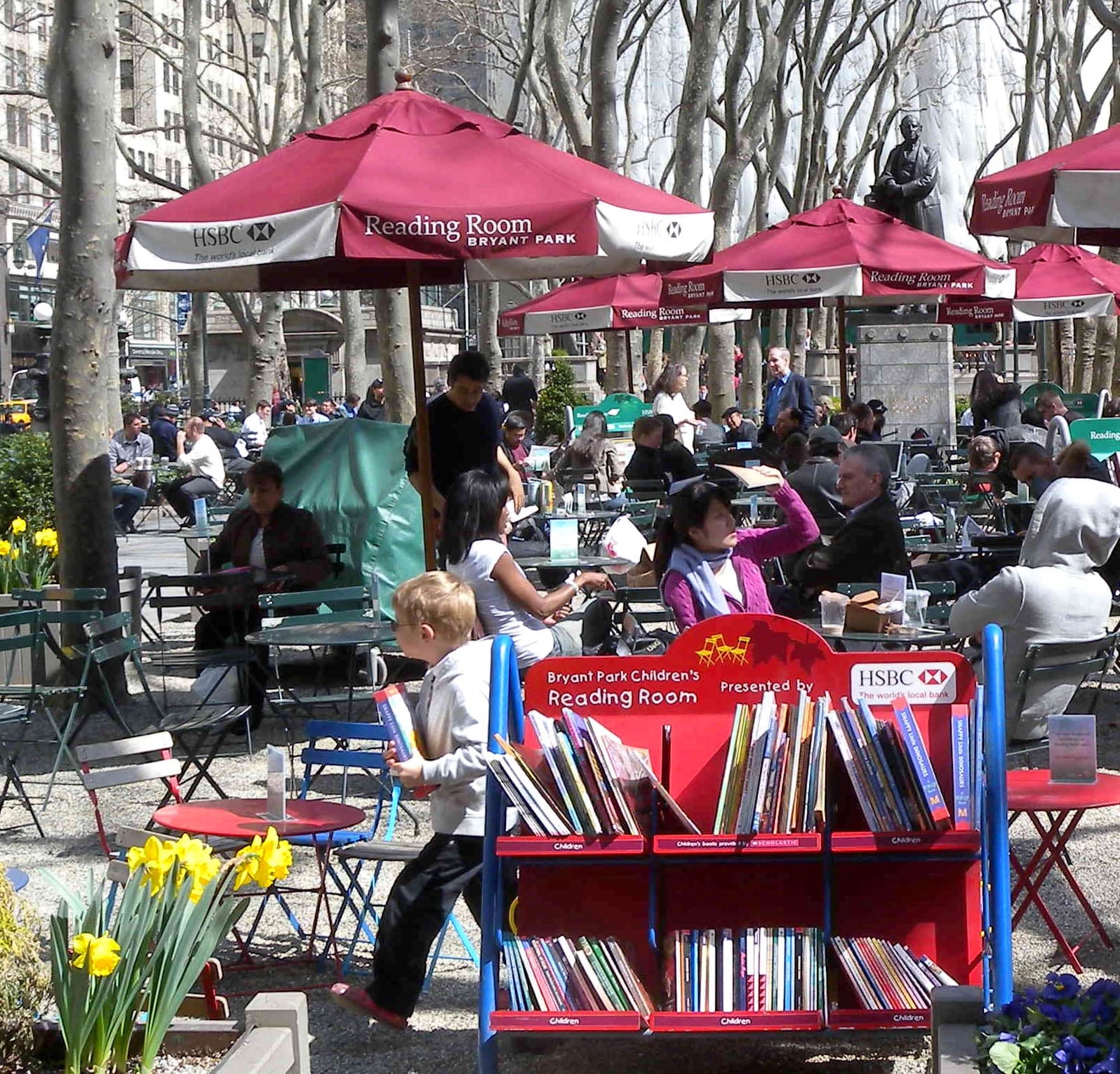
Why Small-Town Story Hours Make Better Fall Getaways
A local story time might not sound like a travel hook, but family-friendly community events can be the easiest way to turn a simple weekend trip into something memorable. In fall, they also offer a low-cost reason to explore smaller towns at a slower pace.

Las Vegas Is Still Worth the Trip—If You Stop Traveling Like It’s 2019
A pricier, slower Vegas changes the math for travelers, but it doesn’t cancel the fun. The best trips now come from treating the city less like a splurge machine and more like a choose-your-own-weekend.

Why a Good Travel Mug Matters More When You’re Actually Traveling
A dependable travel mug earns its keep in airports, road trips, and early hotel checkouts. If a familiar option is disappearing from shelves, it’s a good reminder to buy for real travel habits, not just brand loyalty.