The Fastest Way to Ruin a Good Chef’s Knife at Home
Most home cooks don’t need fancier knives—they need better habits. A few everyday choices can keep a kitchen blade sharper, safer, and easier to use for much longer.
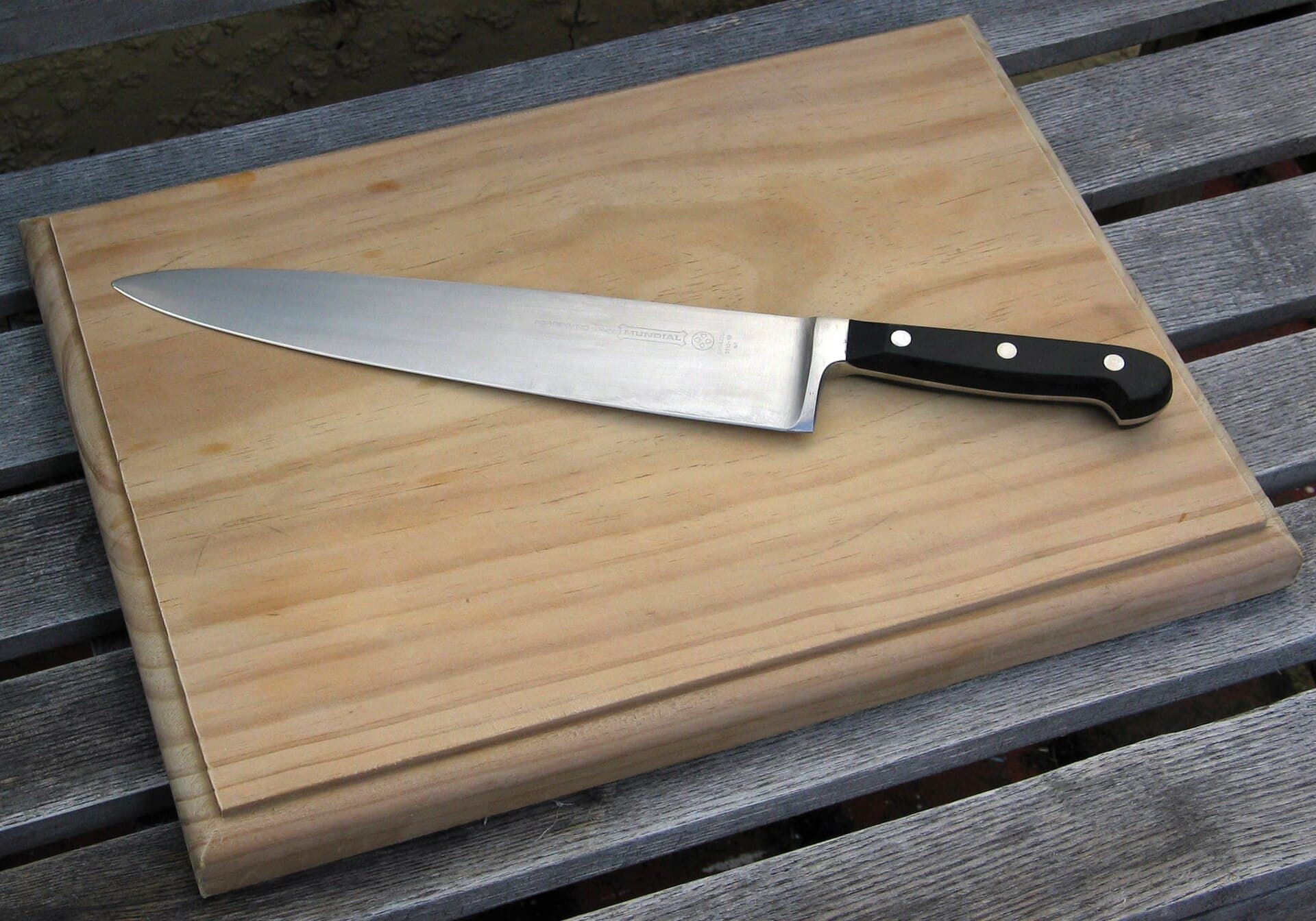
A lot of kitchen frustration gets blamed on “bad knives” when the real problem is rough daily use. If your chef’s knife feels dull all the time, the culprit is often not the steel but the way it’s treated between meals. Tossing it in a crowded drawer, scraping food off the board with the cutting edge, or letting it rattle around in the sink will wear down a blade faster than most people realize.
The most practical upgrade isn’t buying a new knife set—it’s changing a few habits. Use a wood or plastic cutting board instead of glass, stone, or ceramic surfaces that are harder on the edge. When you move chopped ingredients, flip the knife and use the spine instead of the sharpened side. And if the knife needs cleaning, wash it by hand and dry it right away rather than leaving it to soak with the rest of the dishes.
Storage matters more than people think. A decent blade stays in better shape when it’s protected on a magnetic strip, in a knife block, or with a simple blade guard. That not only helps preserve the edge, it also makes the kitchen safer. Digging through a utensil drawer for a sharp knife is one of those chaotic home habits that feels normal until it goes wrong.
There’s also a difference between a knife that needs sharpening and one that just needs regular maintenance. Honing helps keep the edge aligned, while occasional sharpening restores it when it has truly worn down. For most households, that means less drama, less forcing through tomatoes and onions, and a knife that does what it’s supposed to do: make prep feel quicker, cleaner, and a lot less annoying.
Photo: Donovan Govan. via Wikimedia Commons (CC BY-SA 3.0).

Related stories
The Small Kitchen Tools Worth Leaving Out on the Counter
The best kitchen gear is the stuff you reach for without thinking. A short list of durable, everyday tools can make a home kitchen feel easier, calmer, and more useful.
The Smartest Time to Reset Your Yard Is the Long Weekend
Late-summer sales can make the less glamorous parts of home care feel more manageable. For anyone trying to get ahead of fall, this is a practical moment to replace tired tools, refresh outdoor spaces, and stock up on basics that will actually get used.

The Kitchen Gadgets Worth Retiring Before They Steal More Drawer Space
A better kitchen usually starts with fewer tools, not more. If a gadget only does one mediocre job, it may be time to clear it out and make room for basics you'll actually use.