The Pretty Packaging Trap: Why Beauty Imports Deserve a Closer Look
European beauty has an aura of quality, but American shoppers still need to read past the label. A gorgeous bottle and a famous origin story don’t automatically mean a product is safer, smarter, or worth the splurge.
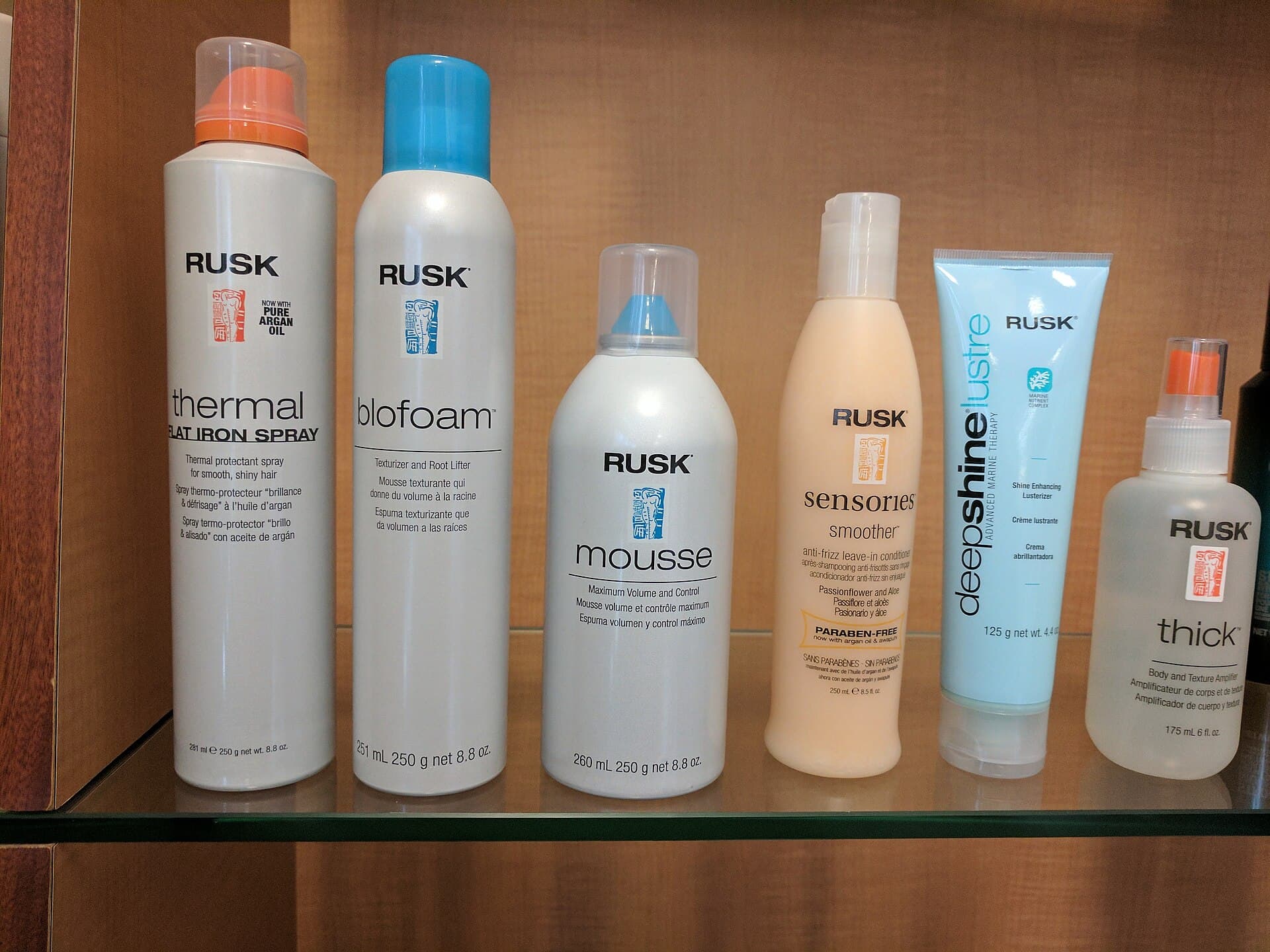
American shoppers are trained to treat European beauty like the gold standard: better formulas, better taste, better standards. Sometimes that reputation is earned. But the practical question is not whether a cream came from Paris or Milan. It’s whether the ingredient list, fragrance level, and use case make sense for your actual skin, scalp, or routine.
The easiest mistake is confusing luxury signals with performance. Heavy glass packaging, old-world branding, and imported status can make a product feel more trustworthy before you even open it. In reality, a moisturizer that irritates your skin is still a bad buy, no matter how elegant the label looks on the bathroom counter. If you’re prone to sensitivity, fragrance and essential oils deserve the same scrutiny in prestige products that they would in bargain-bin ones.
There’s also a practical consumer angle here for US buyers: imported beauty can be harder to return, harder to decode, and more likely to inspire impulse spending because it feels rare or elevated. That doesn’t mean avoid it. It means shop with the same discipline you’d use anywhere else. Check how long you realistically have to use it, whether the jar or bottle keeps ingredients stable, and whether you’re paying for a formula you need or simply a fantasy version of self-care.
The best beauty purchase is usually less romantic than the marketing suggests. It’s the sunscreen you’ll reapply, the cleanser that won’t start a skin drama, the lipstick shade you’ll finish instead of admire. Imported beauty can absolutely be part of that picture, but it earns a place by working in real life, not by borrowing prestige from a passport.
Photo: Scott Brody via Wikimedia Commons (CC BY-SA 4.0).

Related stories

What to Keep at Home When Air Quality Feels Out of Your Control
Big environmental health stories can feel distant until the air outside smells off or your throat starts to notice. A practical home setup can’t solve the source of pollution, but it can make everyday life more manageable.

Why Bigger Health Systems Only Matter If Care Gets Easier
Major healthcare expansion sounds impressive, but most families feel the impact in much smaller ways: appointment wait times, travel, and the cost of basic care. The real win is convenience people can actually use.

The Health Costs Worth Questioning in Your Everyday Routine
Big promises about fixing health care can feel distant, but most people deal with the system through everyday bills, refills, and checkout counters. A practical place to start is getting sharper about the small charges and habits that quietly add up.