When Real-World Robotics Start Looking Like Sci-Fi
Stories about battlefield robots land differently when the machines no longer feel futuristic. For American readers, the bigger cultural shift may be how quickly movie imagery is becoming everyday reality.
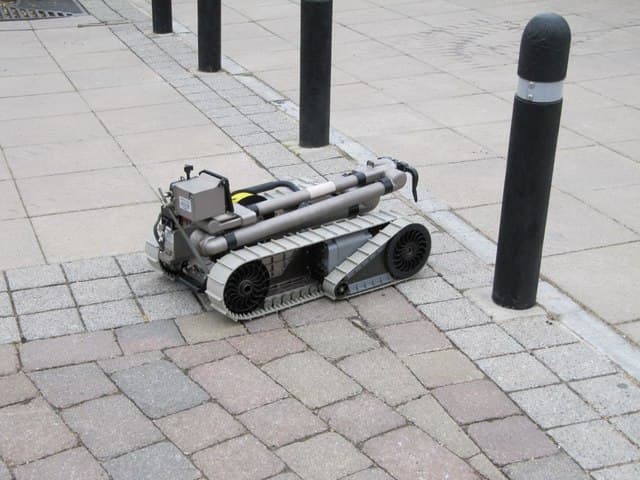
There’s a reason coverage of ground robots grabs attention outside military circles: a lot of us learned to imagine this technology through action movies, video games, and sci-fi thrillers long before we saw it in news reports. When machines that once felt cinematic start showing up in real conflict, the story is no longer just about hardware. It’s about how fast culture has been catching up to fiction.
For US readers, the practical takeaway is less “wow, the future is here” and more that robotics is moving from spectacle to routine tool. That shift matters because once technology becomes ordinary in one high-stakes setting, it tends to influence how people think about safety, labor, policing, logistics, and disaster response at home. The machine itself may be specialized, but the public imagination around it spreads much wider.
It also changes the way entertainment lands. Audiences have spent years watching stories that treat remote-controlled or semi-autonomous machines as clean, clever solutions. Real life is messier. News like this reminds viewers that every sleek robot image carries human decisions, human risks, and consequences that don’t disappear just because a person is standing farther away.
That’s why this kind of story resonates beyond geopolitics. It forces a small cultural reset: the gadgets we once filed under fantasy are becoming part of the real visual language of the world. And once that happens, movies stop feeling like exaggerations and start feeling like early drafts of the present.
Photo: Bill Nicholls via Wikimedia Commons (CC BY-SA 2.0).

Related stories
Why Reality-TV Fiction Feels So Easy to Believe Right Now
Stories that borrow the look and rhythm of reality TV can feel uncannily convincing. For viewers, that makes entertainment more immersive—but also a little trickier to watch without getting pulled into the performance.

Your Next Movie Night Deserves Better Than the Algorithm
Trending movie lists can be a useful shortcut, but they work best when you treat them like a starting point instead of a verdict. The smartest pick for tonight is the one that fits your mood, your group, and how much attention you actually want to give it.

Your Weekend Watchlist Needs One Comfort Pick and One Chaos Pick
The smartest way to choose something to stream isn’t chasing the loudest release. Build a better night in by pairing one easy crowd-pleaser with one movie that actually surprises you.