The Cheapest Way to Save a Young Tree From Yard-Work Damage
A neat ring of mulch does more than tidy up a yard: it creates a buffer between tender bark and the tools that do the most accidental damage. For homeowners, this is one of those small weekend fixes that can prevent a much bigger landscaping regret.
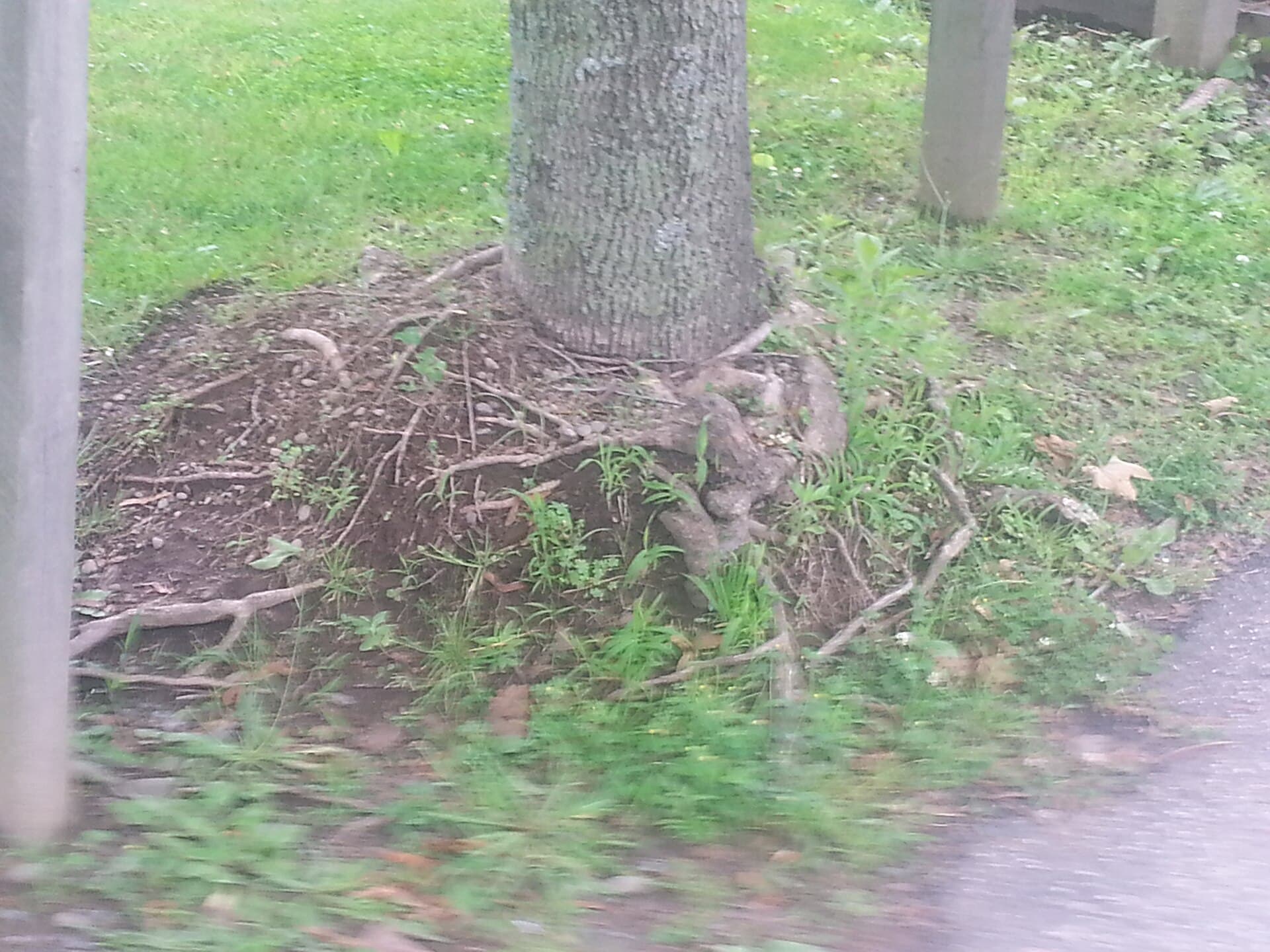
A lot of yard damage doesn’t come from storms or pests. It comes from ordinary weekend chores. String trimmers, mowers, and edging tools can nick tree bark in seconds, especially on younger trees with thin, vulnerable trunks. Once that outer layer is scraped away, a tree has to spend energy healing instead of growing, and the injury can linger far longer than the chore that caused it.
That’s why a mulch ring is such a practical move. It creates a clear no-tool zone around the base of the tree, which means you’re less likely to bump the trunk while trying to get the lawn looking tidy. It also has the side benefit of reducing the patch of grass that needs trimming in the first place, so the whole area becomes easier to maintain instead of more fussy.
The trick is to make the mulch ring wide enough to matter and to keep the material pulled back from direct contact with the bark. Piling mulch against the trunk may look finished from the curb, but it can hold moisture where you don’t want it and create its own problems. A flatter, donut-shaped ring does the job better: cleaner, safer, and less likely to invite rot.
For homeowners who like fixes that are cheap, visible, and actually useful, this is one of the better ones. It protects a long-term investment, makes routine mowing simpler, and gives a yard a more intentional look. Not every home improvement has to happen indoors, and sometimes the smartest upgrade is the one that helps you stop damaging what you already paid to plant.
Photo: NY State IPM Program at Cornell University from New York, USA via Wikimedia Commons (CC BY 2.0).
.jpg)
Related stories
The Small Kitchen Tools Worth Leaving Out on the Counter
The best kitchen gear is the stuff you reach for without thinking. A short list of durable, everyday tools can make a home kitchen feel easier, calmer, and more useful.
The Smartest Time to Reset Your Yard Is the Long Weekend
Late-summer sales can make the less glamorous parts of home care feel more manageable. For anyone trying to get ahead of fall, this is a practical moment to replace tired tools, refresh outdoor spaces, and stock up on basics that will actually get used.

The Kitchen Gadgets Worth Retiring Before They Steal More Drawer Space
A better kitchen usually starts with fewer tools, not more. If a gadget only does one mediocre job, it may be time to clear it out and make room for basics you'll actually use.