Why a Team Health Update Reminds the Rest of Us to Check In, Too
Sports injury reports may be written for fans, but they also highlight something most people ignore: health status changes fast. A simple personal check-in routine can make workouts, workdays, and recovery feel much more manageable.
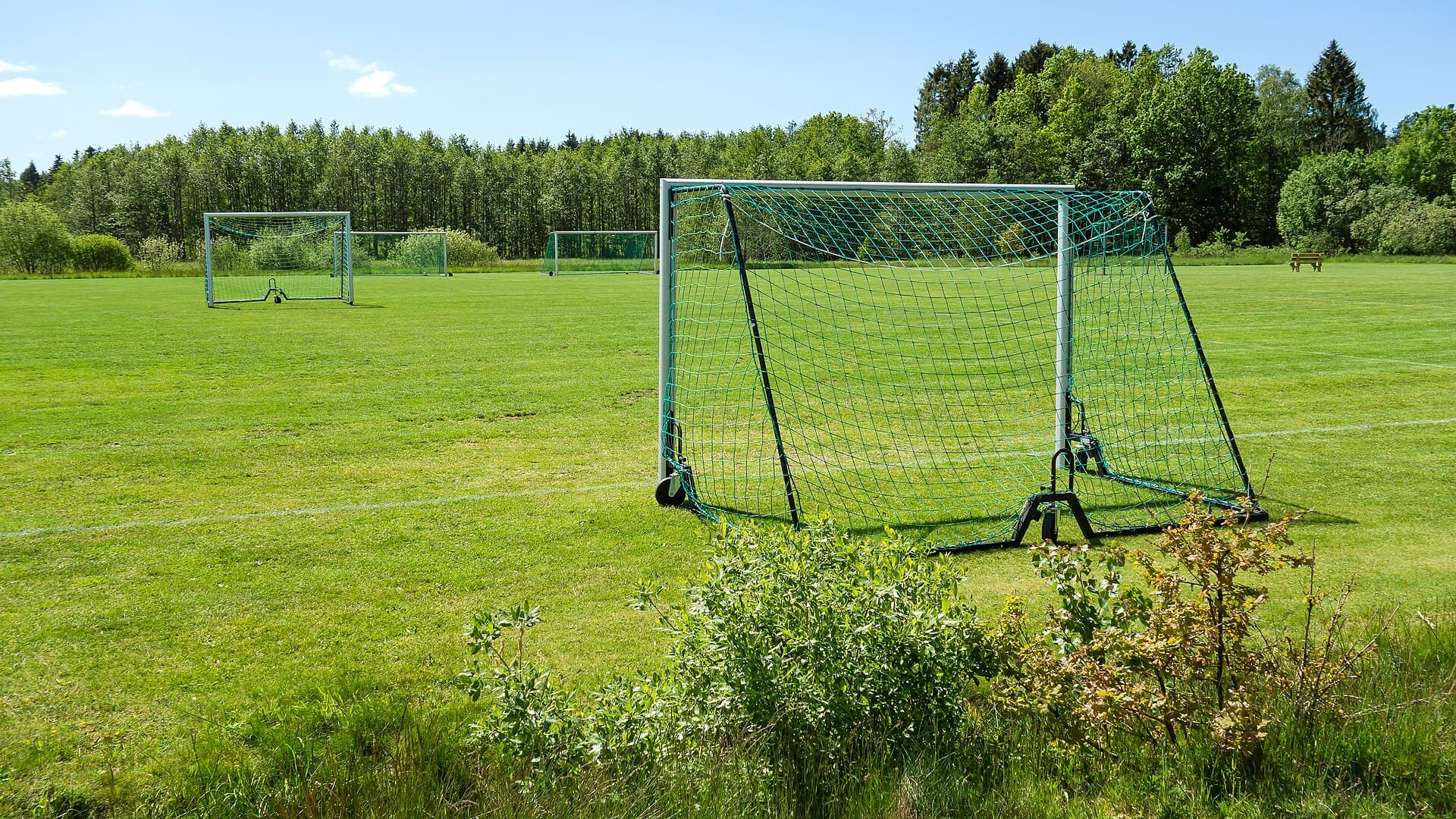
There’s something oddly useful about a public health update in sports: it normalizes the idea that physical condition is never static. One week you feel fine, the next you’re dealing with tightness, fatigue, or the kind of minor issue that makes every errand and workout feel harder than it should. Most regular people don’t need an official status report, but we probably do need the habit of noticing when our bodies have moved from ready to limited.
paragraphs like these matter most for people who treat wellness as all-or-nothing. If you only pay attention when you’re sick, injured, or completely burned out, you miss the in-between stage where a few smart adjustments could help. Better sleep, a lighter training day, more water, less screen time at night, or finally replacing worn-out walking shoes are not glamorous fixes, but they’re often the difference between bouncing back and digging a deeper hole.
Health and beauty overlap more than the wellness market likes to admit. When you’re run down, it shows up everywhere: dull skin, puffy eyes, tension in your face, low energy, and the general look of someone trying to power through on fumes. The practical move is not to buy a miracle product first; it’s to get honest about recovery basics. A solid routine—hydration, rest, movement, and a little restraint when your body is asking for it—usually does more for your appearance than another impulse purchase.
A useful personal rule is to do a quick status check before the day gets away from you. Are you energized, sore, congested, stressed, or just under-recovered? That answer should shape what comes next, whether that means a hard workout, a walk, an earlier bedtime, or skipping one unnecessary commitment. Professional athletes have entire staffs monitoring their condition. The rest of us at least have the option to pay attention.
Photo: W.carter via Wikimedia Commons (CC0).

Related stories

What to Keep at Home When Air Quality Feels Out of Your Control
Big environmental health stories can feel distant until the air outside smells off or your throat starts to notice. A practical home setup can’t solve the source of pollution, but it can make everyday life more manageable.

Why Bigger Health Systems Only Matter If Care Gets Easier
Major healthcare expansion sounds impressive, but most families feel the impact in much smaller ways: appointment wait times, travel, and the cost of basic care. The real win is convenience people can actually use.
The Health Costs Worth Questioning in Your Everyday Routine
Big promises about fixing health care can feel distant, but most people deal with the system through everyday bills, refills, and checkout counters. A practical place to start is getting sharper about the small charges and habits that quietly add up.