What a Big Theater Deal Could Mean for Regular Ticket Buyers
When a major theater owner changes hands, the real question for fans is whether it makes seeing live shows easier or more expensive. For US audiences, this kind of deal matters most at the box office, not in the boardroom.
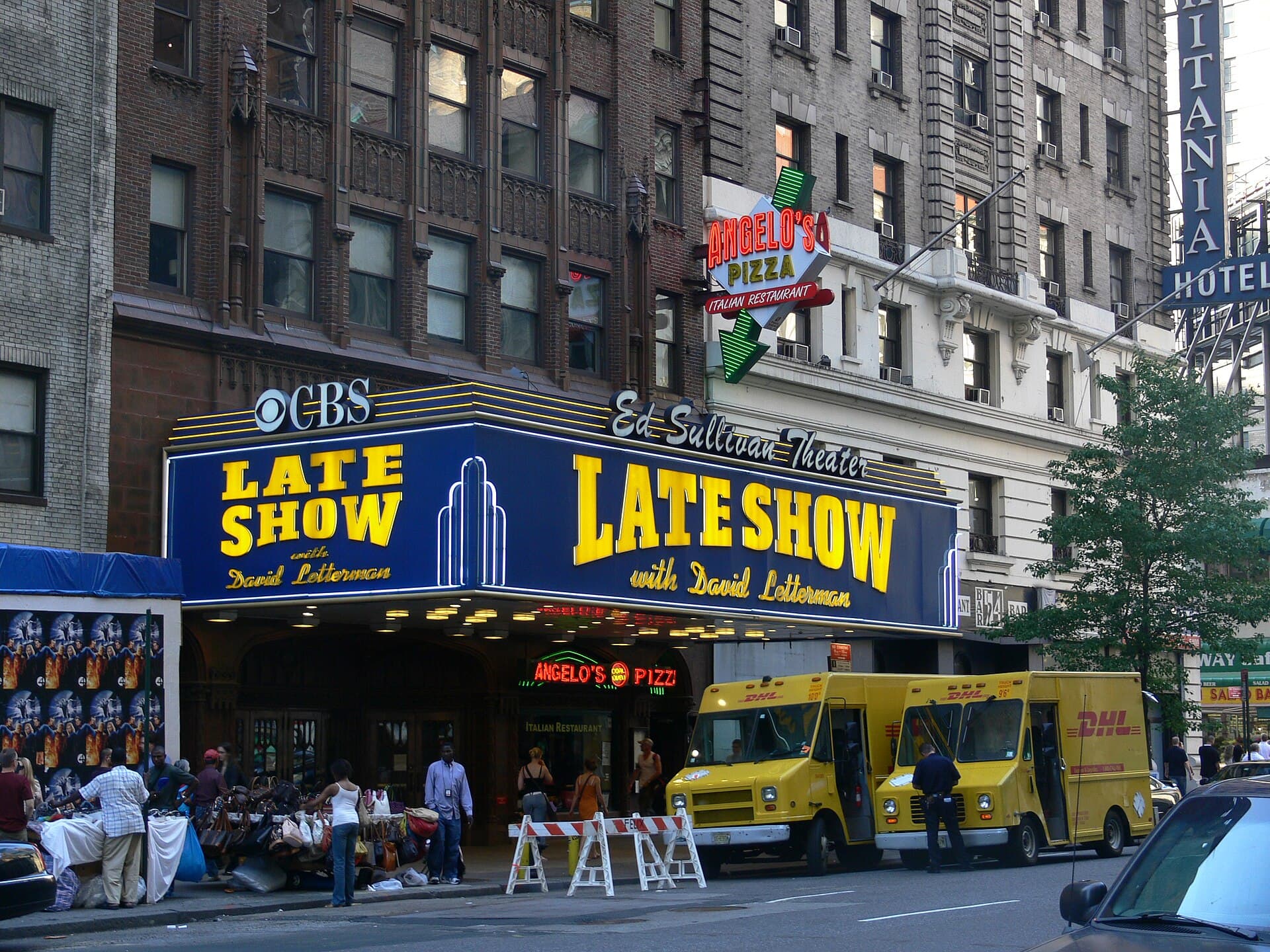
Big entertainment deals can sound distant from everyday life, but theater ownership has a direct effect on how people experience a night out. If the same company controls more venues across Broadway and London’s West End, audiences may eventually feel it through ticketing systems, pricing strategy, memberships, and the overall polish of the theater-going experience.
There’s a case for optimism. Larger operators can sometimes invest more in venue upgrades, smoother mobile ticketing, and better food, seating, and accessibility. For travelers planning a New York trip around a big musical, a more coordinated theater business could also mean fewer rough edges and a more predictable experience from purchase to curtain call.
But this is also the kind of corporate move that makes budget-conscious fans pay attention. When live entertainment gets bigger and more centralized, convenience can arrive alongside higher fees, more premium seating tiers, and fewer true bargains. Broadway already asks a lot from audiences, so any shift that treats theater mainly as a luxury product rather than a recurring cultural habit deserves scrutiny.
For regular US ticket buyers, the smartest response is practical: watch the total checkout price, not just the advertised seat cost, and be flexible about dates, previews, and less-hyped productions. Theater remains one of the best splurges in entertainment, but it stays healthier when people can afford to come back more than once. The business side matters because it shapes whether live performance feels open to the public or reserved for special occasions only.
Photo: Photo: Andreas Praefcke via Wikimedia Commons (CC BY 3.0).

Related stories
Why Reality-TV Fiction Feels So Easy to Believe Right Now
Stories that borrow the look and rhythm of reality TV can feel uncannily convincing. For viewers, that makes entertainment more immersive—but also a little trickier to watch without getting pulled into the performance.

Your Next Movie Night Deserves Better Than the Algorithm
Trending movie lists can be a useful shortcut, but they work best when you treat them like a starting point instead of a verdict. The smartest pick for tonight is the one that fits your mood, your group, and how much attention you actually want to give it.

Your Weekend Watchlist Needs One Comfort Pick and One Chaos Pick
The smartest way to choose something to stream isn’t chasing the loudest release. Build a better night in by pairing one easy crowd-pleaser with one movie that actually surprises you.