What a New Teaching Hospital Could Mean for Everyday Care
Big health investments can sound abstract, but a new teaching hospital often changes the practical side of care: where people go, how long they wait, and what kinds of specialists they can actually access. For patients, the real story is whether better training and bigger systems translate into easier, more humane healthcare.
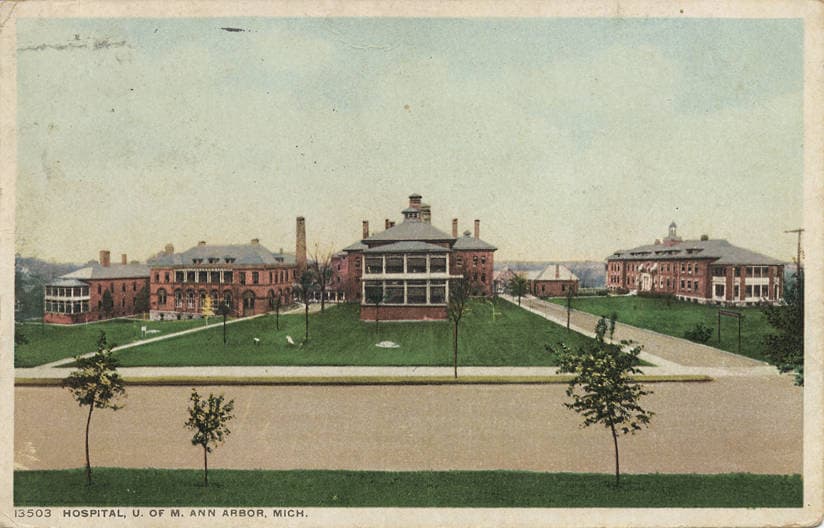
Most people do not experience healthcare as a headline-sized investment. They experience it as a delayed appointment, a long drive to see a specialist, or the feeling that good care is always somewhere else. That is why a major commitment to a teaching hospital matters beyond ribbon cuttings. In the best version, it means more places to get seen, more clinicians in training, and a stronger pipeline for the kind of care communities routinely struggle to access.
paragraphs like these often get framed around prestige, but patients usually care about simpler things: Can I get a primary care appointment this month? Is there a maternity ward I trust? Will my parent have to transfer across town for follow-up treatment? Teaching hospitals can improve those basics when they are tied to a broader care network instead of standing alone as a shiny flagship. The network piece is what makes a large project feel less symbolic and more useful.
There is also a quality-of-life angle that deserves more attention. When medical education expands alongside neighborhood care, it can create a culture where prevention, screenings, and chronic disease management are easier to reach before a health problem becomes a crisis. That is not glamorous, but it is the kind of practical upgrade that changes daily life for families juggling work, school, and caregiving.
The healthy skepticism is whether these investments will feel accessible to regular patients, not just impressive on paper. Bigger systems can still be confusing, expensive, and uneven. So the public should expect more than a new building. They should expect easier navigation, better local access, and care that feels closer to home. If that happens, a project like this becomes less about institutional growth and more about something people can actually use.
Photo: Unknown authorUnknown author via Wikimedia Commons (Public domain).
.jpg)
Related stories

What to Keep at Home When Air Quality Feels Out of Your Control
Big environmental health stories can feel distant until the air outside smells off or your throat starts to notice. A practical home setup can’t solve the source of pollution, but it can make everyday life more manageable.

Why Bigger Health Systems Only Matter If Care Gets Easier
Major healthcare expansion sounds impressive, but most families feel the impact in much smaller ways: appointment wait times, travel, and the cost of basic care. The real win is convenience people can actually use.
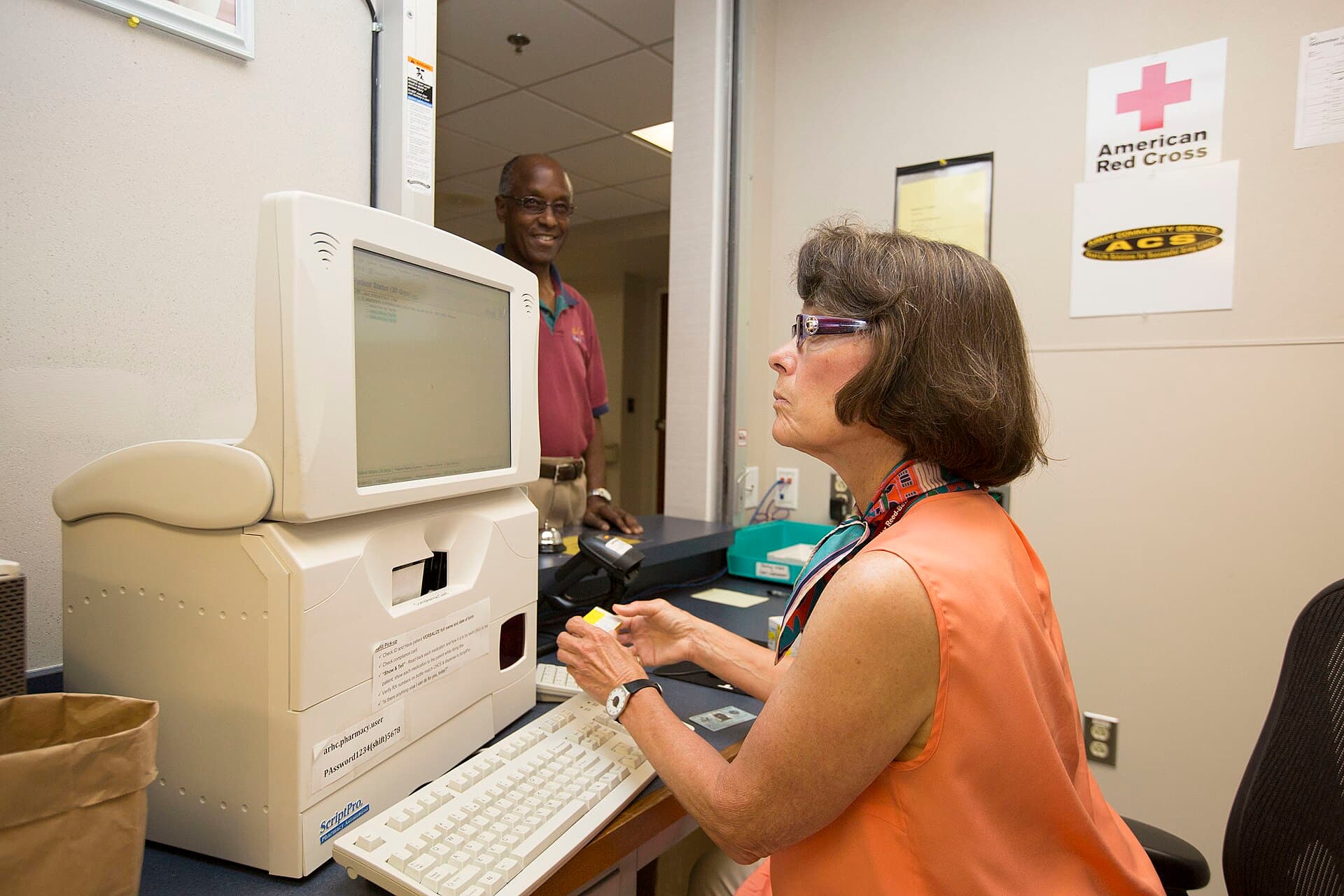
The Health Costs Worth Questioning in Your Everyday Routine
Big promises about fixing health care can feel distant, but most people deal with the system through everyday bills, refills, and checkout counters. A practical place to start is getting sharper about the small charges and habits that quietly add up.