What Small-Town Health Gets Right About Everyday Care
Rural health conversations often focus on what’s missing, but there’s also a practical lesson in what works: care feels more useful when it’s built around real daily life. For many Americans, the best health habits start with convenience, trust, and community spaces they already use.

A lot of health advice in America is delivered as if everyone has the same schedule, transportation, internet access, and free time. That’s one reason so much of it feels easy to ignore. In smaller towns and rural areas, the most effective care often looks less polished and more practical: it shows up where people already are, speaks in plain language, and respects the fact that daily life doesn’t pause for a wellness plan.
title=
slug=
excerpt=
imageQuery=
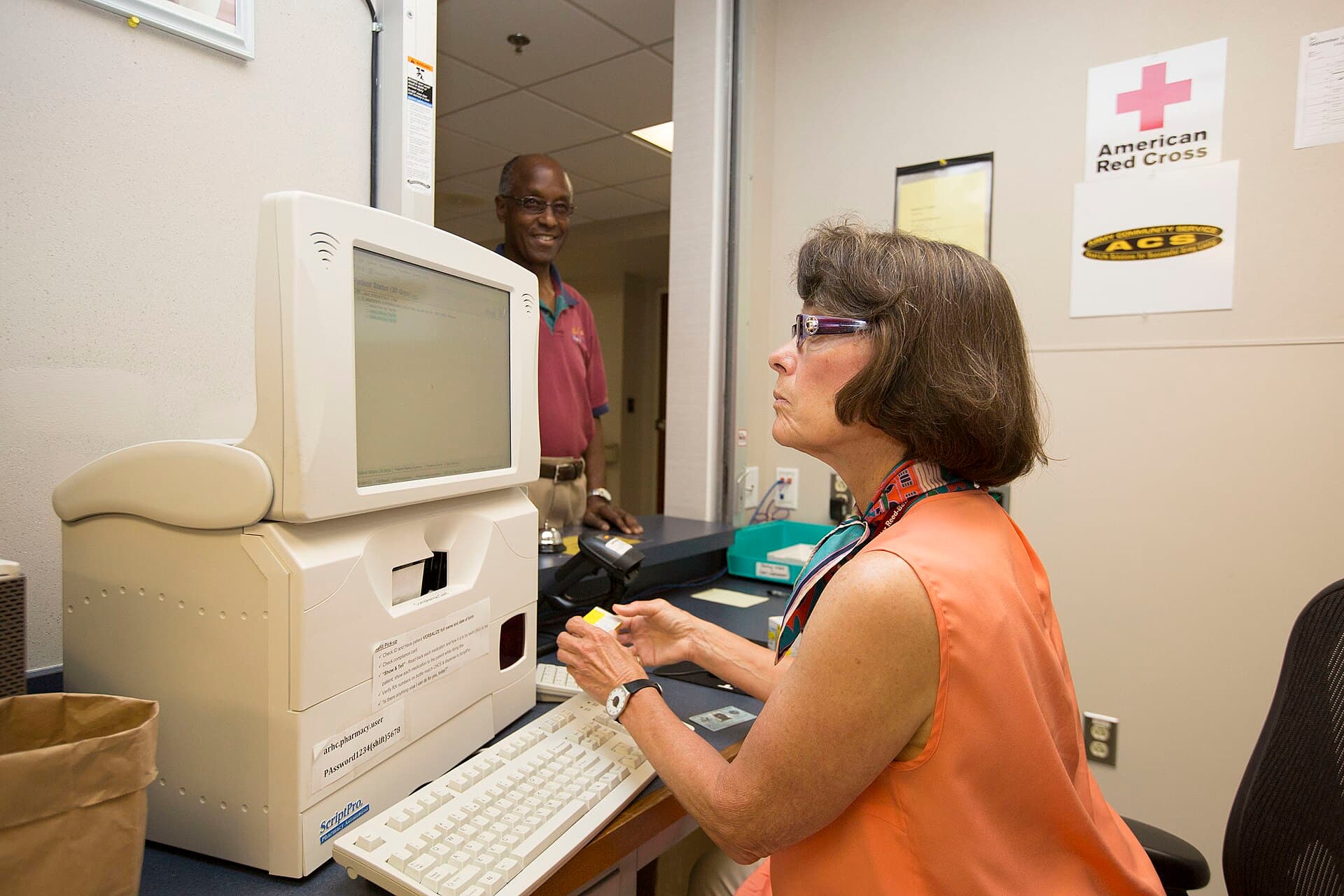
Photo: U.S. Navy photo by Mass Communication Specialist 2nd Class Steven Khor via Wikimedia Commons (Public domain).

Related stories

What to Keep at Home When Air Quality Feels Out of Your Control
Big environmental health stories can feel distant until the air outside smells off or your throat starts to notice. A practical home setup can’t solve the source of pollution, but it can make everyday life more manageable.

Why Bigger Health Systems Only Matter If Care Gets Easier
Major healthcare expansion sounds impressive, but most families feel the impact in much smaller ways: appointment wait times, travel, and the cost of basic care. The real win is convenience people can actually use.
The Health Costs Worth Questioning in Your Everyday Routine
Big promises about fixing health care can feel distant, but most people deal with the system through everyday bills, refills, and checkout counters. A practical place to start is getting sharper about the small charges and habits that quietly add up.