When Getting Care Starts Feeling Like a Data Trade
Americans are used to sharing personal information, but health care should not feel like a bargain where access depends on how much of yourself you give up. The bigger issue is whether patients can say yes to treatment without feeling pushed into broad data surrender.

Most people already feel like every part of daily life comes with a privacy toll: download the app, check the box, hand over your habits. But health care lands differently. When someone needs medicine, testing, or urgent treatment, the idea of trading sensitive personal data for help does not feel like modern convenience. It feels like pressure.
That is why this kind of debate matters beyond Washington. In real life, patients are often sick, scared, and short on time. They are not reading fine print like a lawyer. They are trying to get through a diagnosis, fill a prescription, or keep a family member alive. Consent given in that kind of moment can look official on paper while feeling anything but voluntary.
For everyday Americans, the practical question is simple: what information is truly necessary to deliver care, and what is just extra collection because the system can get away with it? People should be able to ask that without being treated as difficult. If a clinic, insurer, or aid program wants data beyond what is needed for treatment and billing, it should explain why in plain English and make refusal a real option whenever possible.
This is also a reminder to treat your health information like something valuable, because it is. Keep copies of your records, review privacy notices when you can, and ask how your information will be stored and shared. In an era when everything is turned into a dataset, patients should not have to choose between protecting their dignity and getting lifesaving care.
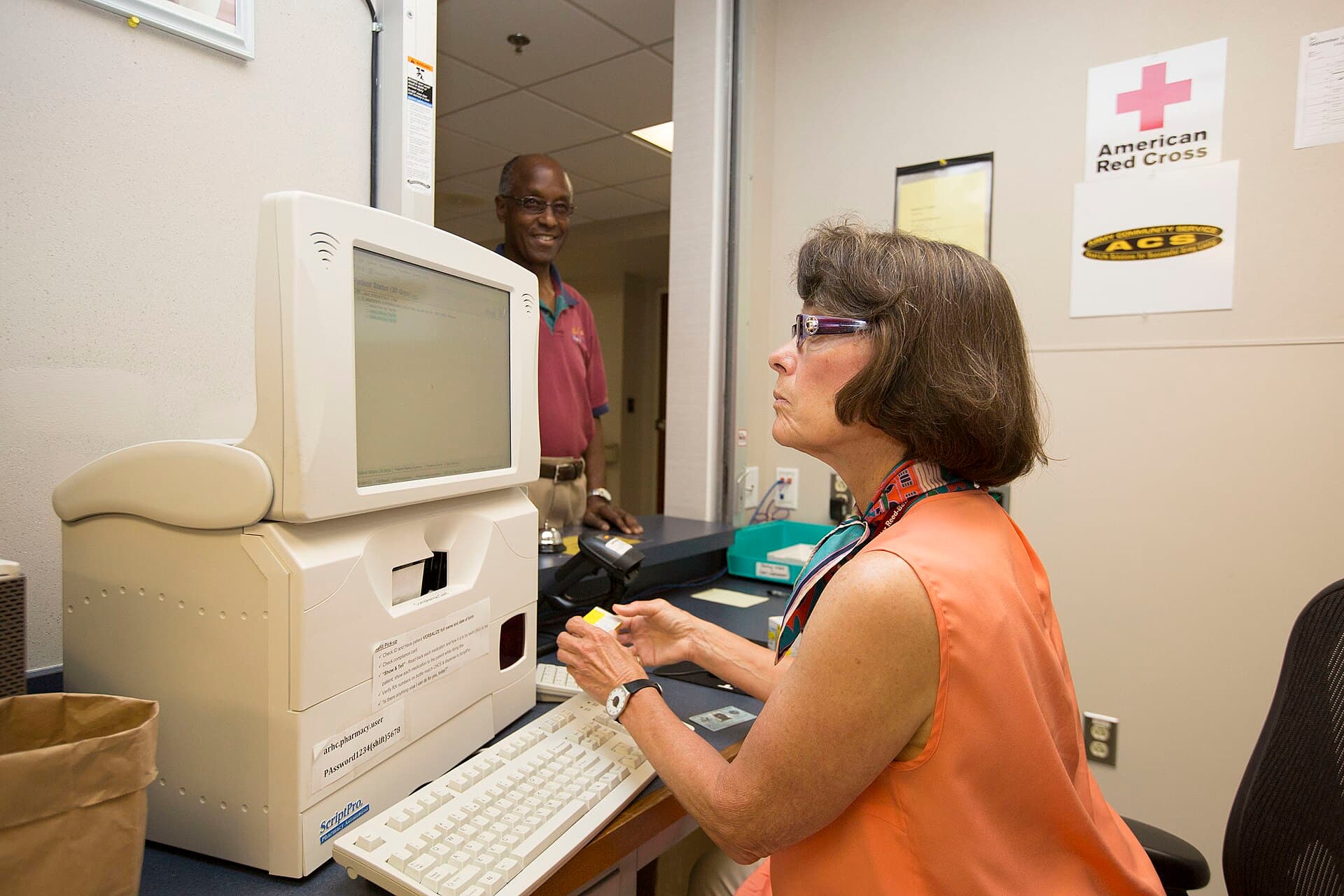
Photo: U.S. Navy photo by Mass Communication Specialist 2nd Class Jonathen E. Davis via Wikimedia Commons (Public domain).

Related stories

What to Keep at Home When Air Quality Feels Out of Your Control
Big environmental health stories can feel distant until the air outside smells off or your throat starts to notice. A practical home setup can’t solve the source of pollution, but it can make everyday life more manageable.

Why Bigger Health Systems Only Matter If Care Gets Easier
Major healthcare expansion sounds impressive, but most families feel the impact in much smaller ways: appointment wait times, travel, and the cost of basic care. The real win is convenience people can actually use.
The Health Costs Worth Questioning in Your Everyday Routine
Big promises about fixing health care can feel distant, but most people deal with the system through everyday bills, refills, and checkout counters. A practical place to start is getting sharper about the small charges and habits that quietly add up.