When Your Doctor’s Office Feels Unsettled, Protect Your Care Routine
Leadership turmoil at a health system can trickle down to everyday patients in small but frustrating ways. The practical move is to tighten up your own care routine before delays and confusion become your problem.
Most people don’t pay attention to health-system drama until it starts showing up in appointment delays, rushed visits, or confusing messages from the front desk. But when a medical group looks unsettled behind the scenes, patients are usually the ones left trying to piece together what changed. This is a good reminder that your healthcare routine needs the same kind of backup plan you’d make for childcare, banking, or travel.
The smartest low-effort move is to get organized before you need something urgent. Make sure you know the name of your primary care clinician, the office phone number, your preferred pharmacy, and where your latest lab results and medication list live. If your practice uses an online portal, log in now instead of waiting until a refill gets delayed on a Friday afternoon. Healthcare runs on paperwork more than anyone likes to admit, and patients who can quickly access their own records usually have a much easier time when offices are stressed.
It’s also worth being a little more proactive about routine care. If you’ve been putting off an annual visit, follow-up bloodwork, or a prescription review, this is the nudge to schedule it. Not because every leadership dispute turns into a patient crisis, but because healthcare access can get harder fast when staffing shifts or communication breaks down. A boring preventive appointment booked today can save you from scrambling later.
There’s a larger lifestyle lesson here too: convenience in healthcare is fragile. We often assume the local clinic, the familiar doctor, and the usual refill turnaround will just keep working. Sometimes they do, and sometimes systems wobble. Patients shouldn’t have to manage around that, but in real life, being mildly organized is one of the cheapest forms of self-care available. It’s not glamorous, yet it can make a stressful healthcare moment a lot less stressful.
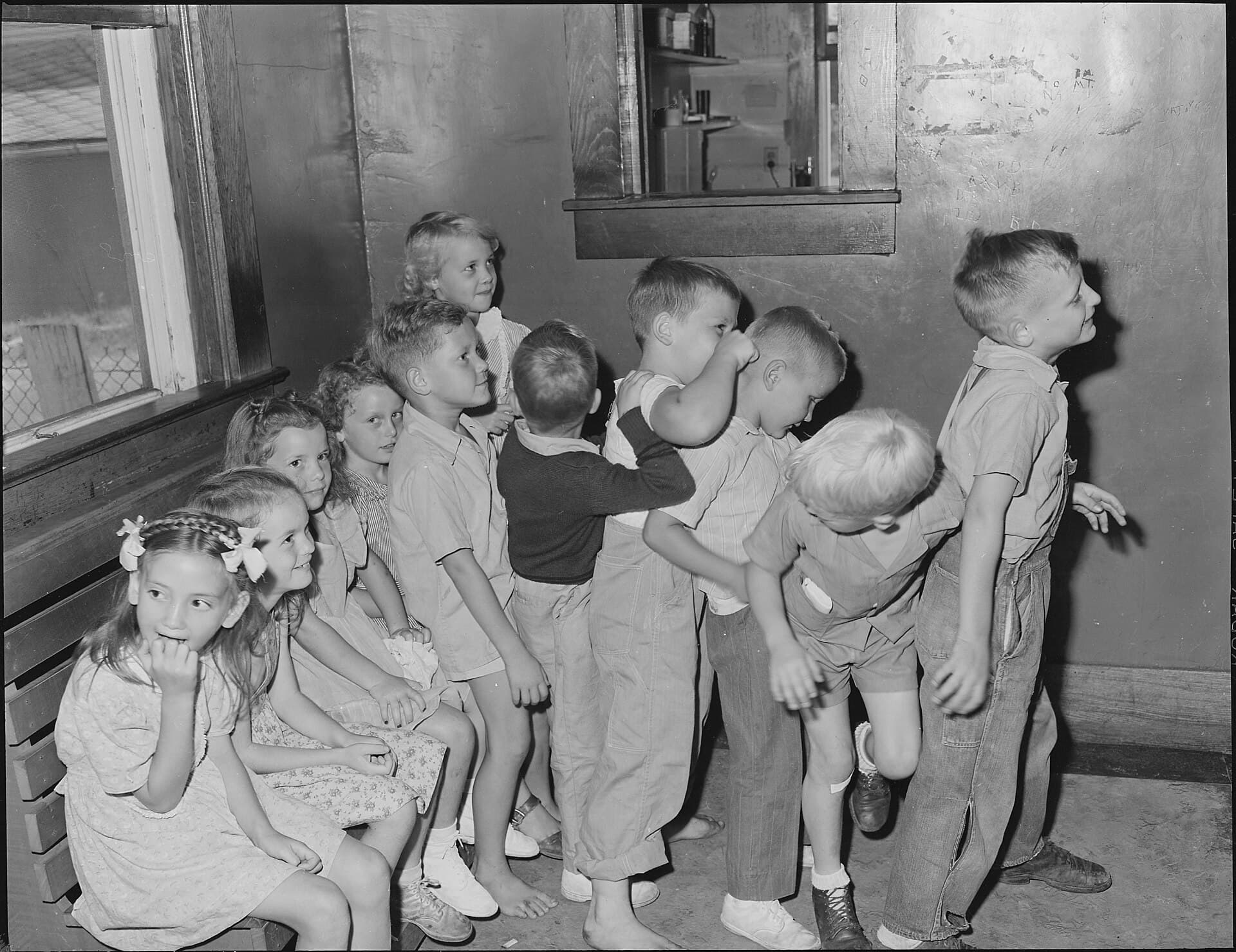
Photo: Russell Lee via Wikimedia Commons (Public domain).

Related stories

What to Keep at Home When Air Quality Feels Out of Your Control
Big environmental health stories can feel distant until the air outside smells off or your throat starts to notice. A practical home setup can’t solve the source of pollution, but it can make everyday life more manageable.

Why Bigger Health Systems Only Matter If Care Gets Easier
Major healthcare expansion sounds impressive, but most families feel the impact in much smaller ways: appointment wait times, travel, and the cost of basic care. The real win is convenience people can actually use.
The Health Costs Worth Questioning in Your Everyday Routine
Big promises about fixing health care can feel distant, but most people deal with the system through everyday bills, refills, and checkout counters. A practical place to start is getting sharper about the small charges and habits that quietly add up.