Why a New Rehab Hospital Matters More Than Most People Think
A new inpatient rehab hospital is the kind of health story most people ignore until a surgery, stroke, or bad fall lands close to home. For families, access to focused recovery care can shape how realistic, affordable, and humane healing actually feels.

Most people pay attention to hospitals when they need an ER or a specialist, but inpatient rehabilitation is the part of care that can quietly determine what life looks like after the crisis. When a community gets more dedicated rehab capacity, it can mean patients spend less time stuck in the wrong setting and more time working on the basics that actually matter at home: walking safely, bathing, getting dressed, and managing everyday routines again.
This is one of those health developments that sounds institutional on paper but lands very personally in real life. A new rehab facility can ease some of the chaos families face after a stroke, major surgery, injury, or serious illness, especially when recovery needs are too intensive for a quick discharge but don’t belong in a standard hospital bed forever. The difference between general medical care and structured rehabilitation is not cosmetic; it can shape confidence, independence, and how much caregiving falls onto relatives.
For readers who are trying to be practical, this is also a reminder to ask better questions before a health emergency happens. If someone in your family is aging, recovering from a planned procedure, or managing a condition that could affect mobility, it helps to know what inpatient rehab is, who qualifies, and what options exist nearby. That kind of homework is not dramatic, but it is the kind of preparation that can save time, stress, and rushed decisions later.
Health care access is often discussed in terms of cutting-edge treatments, but recovery support deserves just as much attention. Fancy medicine gets headlines; the slow work of helping people return to daily life usually does not. Still, for many patients, that stage is where quality of life is won or lost.
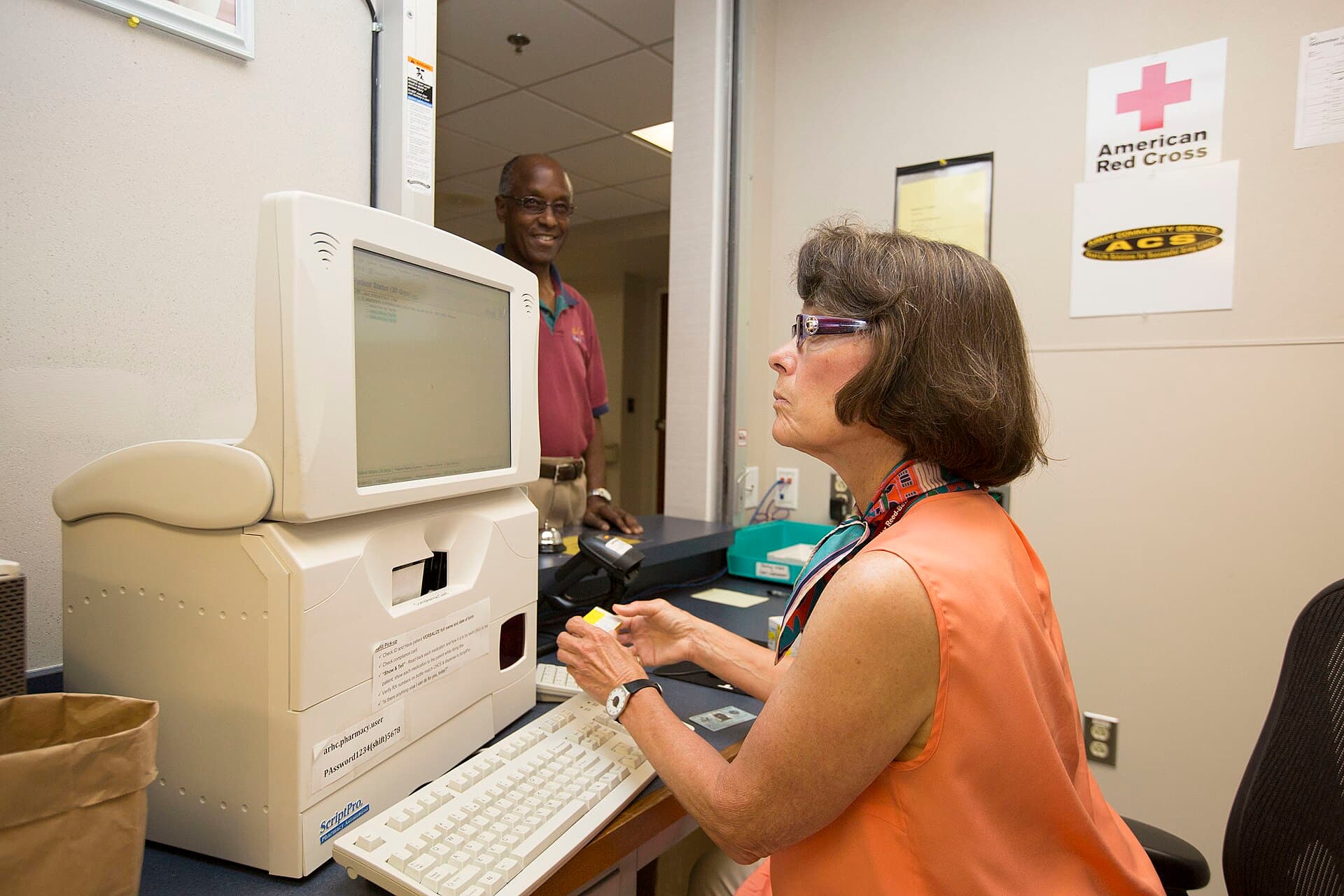
Photo: Rennett Stowe via Wikimedia Commons (CC BY 2.0).

Related stories

What to Keep at Home When Air Quality Feels Out of Your Control
Big environmental health stories can feel distant until the air outside smells off or your throat starts to notice. A practical home setup can’t solve the source of pollution, but it can make everyday life more manageable.

Why Bigger Health Systems Only Matter If Care Gets Easier
Major healthcare expansion sounds impressive, but most families feel the impact in much smaller ways: appointment wait times, travel, and the cost of basic care. The real win is convenience people can actually use.
The Health Costs Worth Questioning in Your Everyday Routine
Big promises about fixing health care can feel distant, but most people deal with the system through everyday bills, refills, and checkout counters. A practical place to start is getting sharper about the small charges and habits that quietly add up.