Why Chip Revenue Swings Matter to Everyday Tech Shoppers
Wall Street watches chip-company revenue for clues about the future, but regular consumers can read the same signals in a more practical way. When memory and mobile-chip demand shifts, it often shows up later in laptop deals, phone upgrades, and the timing of big tech purchases.

Most people do not need to compare semiconductor companies like stock analysts to get something useful from their earnings trends. The practical takeaway is simpler: different parts of the chip business move on different schedules, and that often affects the gadgets Americans buy. If demand is improving for memory or phone processors, it can hint at where manufacturers are feeling confident and where discounts may appear next.
Memory is one of the easiest categories to connect to everyday shopping. When that side of the industry runs hot or cold, it can ripple into laptops, desktops, gaming hardware, and data-heavy devices that depend on storage and performance. Shoppers do not need to predict the market perfectly, but it is worth noticing that better momentum in memory can eventually support newer product cycles, while softer periods can create surprisingly good deals on perfectly capable machines.
Mobile chips tell a slightly different story because they are tied more closely to smartphone upgrade habits. If revenue trends suggest phone makers are being cautious, consumers may see brands lean harder on promotions, trade-in offers, and feature packaging to keep people interested. That is a good reminder that buying a new phone is not just about the newest processor; it is also about timing, since a slower upgrade environment usually gives shoppers more leverage than the marketing makes it seem.
The bigger lesson is that tech revenue headlines are often more useful as shopping signals than as cocktail-party finance talk. If you are planning to replace a laptop, tablet, or phone in the next year, pay attention to where demand looks strong and where it looks shaky. Strong demand can mean less room for discounts on the hottest categories, while weaker demand can be great news for anyone willing to buy last season's hardware and save real money.
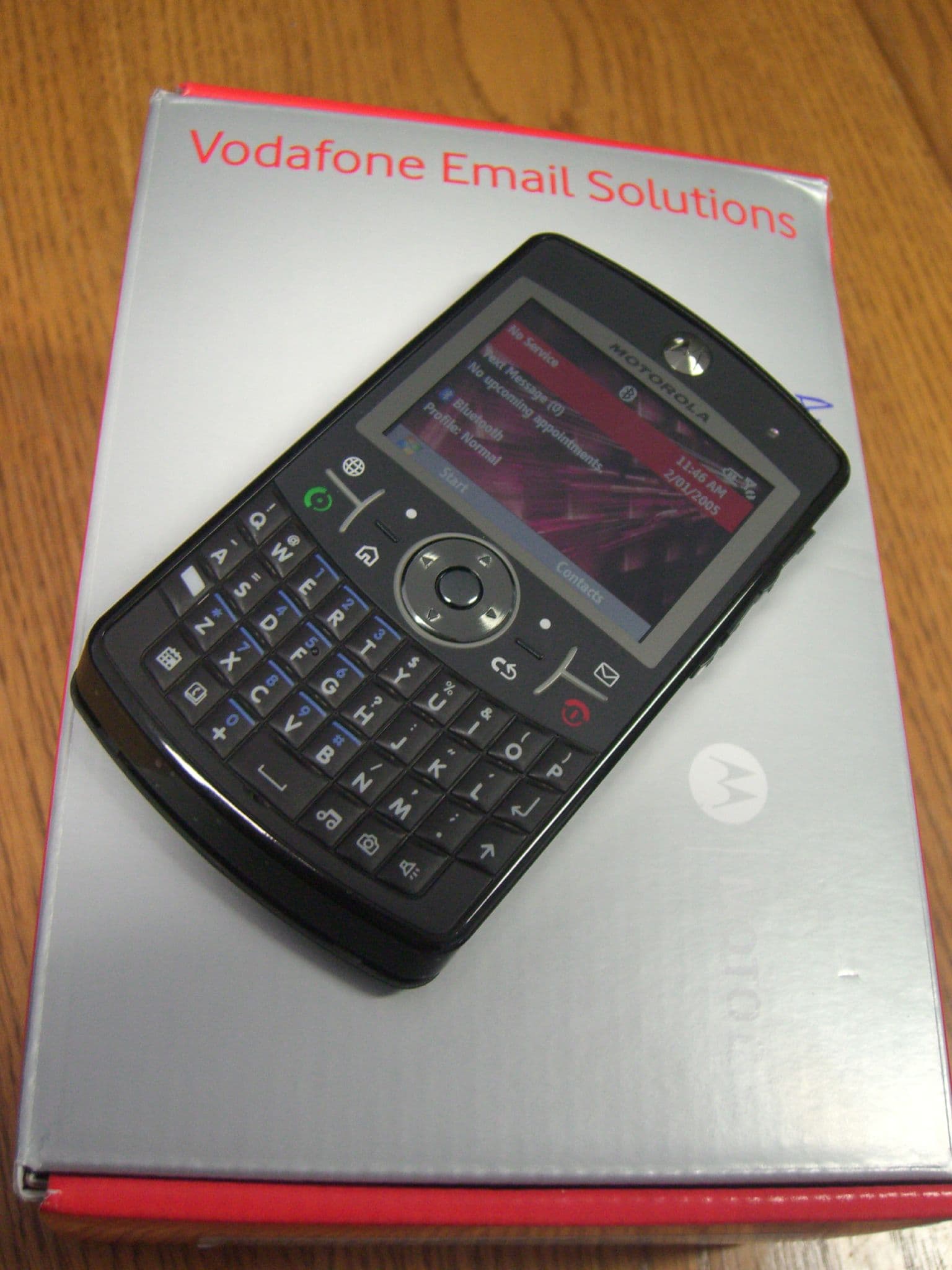
Photo: David from Colorado Springs, United States via Wikimedia Commons (CC BY 2.0).
.jpg)
Related stories
The Smartest Way to Shop New Tech Right Now
The newest gadget drop is always tempting, but the best buy is often the device that solves one daily annoyance without adding three new ones. For US shoppers, this is a good moment to focus on comfort, compatibility, and how long a product will still feel useful after the hype fades.

Why AI Money News Matters to Regular Tech Shoppers
Big funding rounds and IPO chatter can feel distant, but they often shape the apps, devices, and subscriptions Americans use every day. The real question is whether the next wave of AI competition brings better tools or just higher monthly bills.

Tech Events Matter Most When They Feel Local
Big ideas land better when they solve everyday problems close to home. The most useful tech gatherings are the ones that help people connect new tools to local jobs, schools, and small businesses.