Why Eco-Horror Feels Like the Smartest Scare Right Now
The most memorable horror movies aren’t just chasing jump scares anymore. Films that tie fear to the body, the land, and environmental damage are hitting a nerve because they make everyday anxieties feel impossible to ignore.
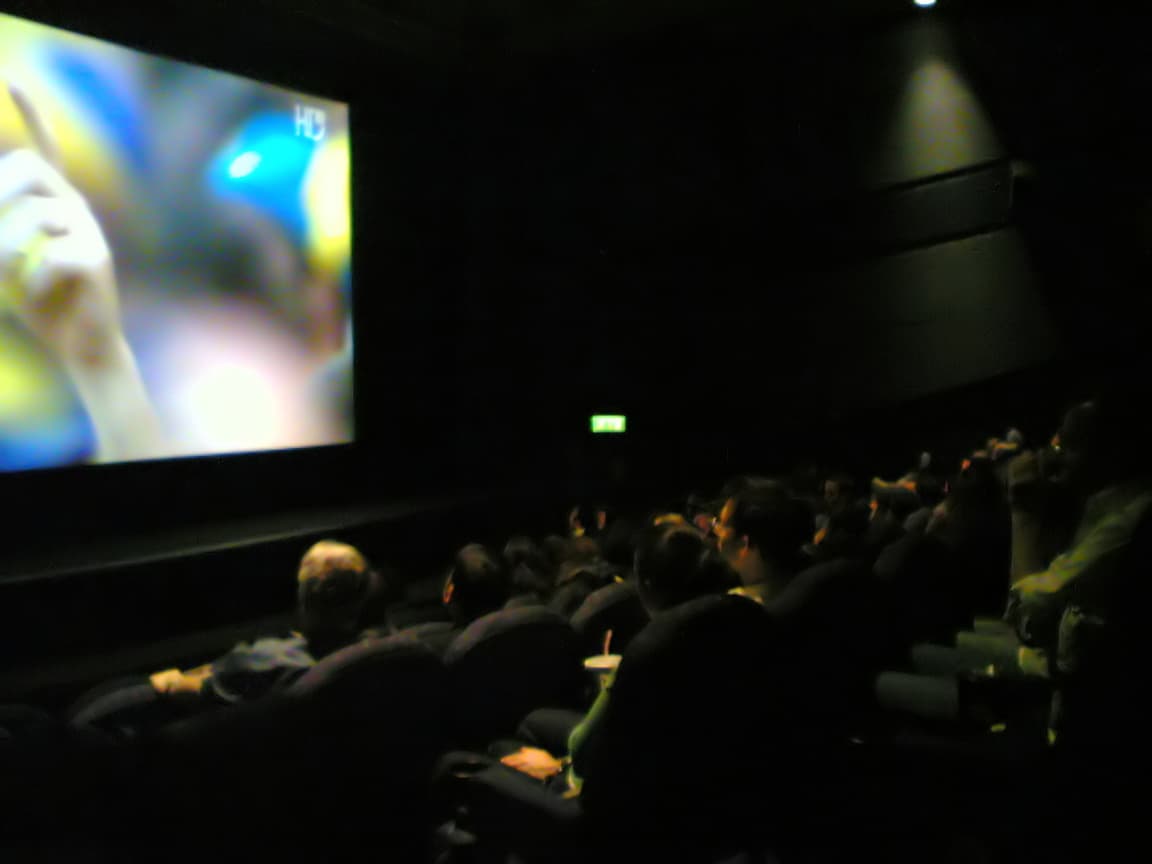
Horror works best when it turns a vague public dread into something physical, and that’s why eco-horror is landing so hard right now. When a movie connects personal vulnerability with poisoned water, damaged landscapes, or a home that no longer feels safe, the threat feels bigger than any single monster. It’s a smarter kind of fear because it lingers after the credits instead of disappearing with the last scream.
For US viewers, this trend also feels practical in an unexpected way: it rewards attention over excess. You don’t need a giant franchise budget or endless lore to make a horror movie feel urgent. A strong setting, a few unsettling images, and a sense that the environment itself has turned unreliable can do more than another overexplained villain reveal. That makes these films especially satisfying for streamers and festival-goers who want discovery, not just noise.
There’s also something refreshing about horror that treats the body and the landscape as connected instead of separate. The best versions of this idea aren’t preachy; they’re immersive. They understand that dread grows when viewers recognize the texture of real life in the nightmare, whether that’s heat, decay, contamination, isolation, or the feeling that modern convenience has quietly made us fragile.
If you’re picking your next scary movie, it may be worth skipping whatever promises the biggest shock count and looking for something moodier and more grounded. The films people keep talking about are increasingly the ones that make familiar places feel newly uncanny. In a crowded entertainment week, that kind of horror doesn’t just scare you for a night — it changes how the world looks on the drive home.
Photo: Frankie Roberto via Wikimedia Commons (Public domain).

Related stories
Why Reality-TV Fiction Feels So Easy to Believe Right Now
Stories that borrow the look and rhythm of reality TV can feel uncannily convincing. For viewers, that makes entertainment more immersive—but also a little trickier to watch without getting pulled into the performance.

Your Next Movie Night Deserves Better Than the Algorithm
Trending movie lists can be a useful shortcut, but they work best when you treat them like a starting point instead of a verdict. The smartest pick for tonight is the one that fits your mood, your group, and how much attention you actually want to give it.
Your Weekend Watchlist Needs One Comfort Pick and One Chaos Pick
The smartest way to choose something to stream isn’t chasing the loudest release. Build a better night in by pairing one easy crowd-pleaser with one movie that actually surprises you.