Why Hollywood Shakeups Usually Change Careers More Than They End Them
Entertainment mergers tend to rearrange where the work happens, not erase the audience for movies, shows, and live production. For workers and fans, the bigger question is whether the business is making it easier or harder to keep creating things people will actually pay for.
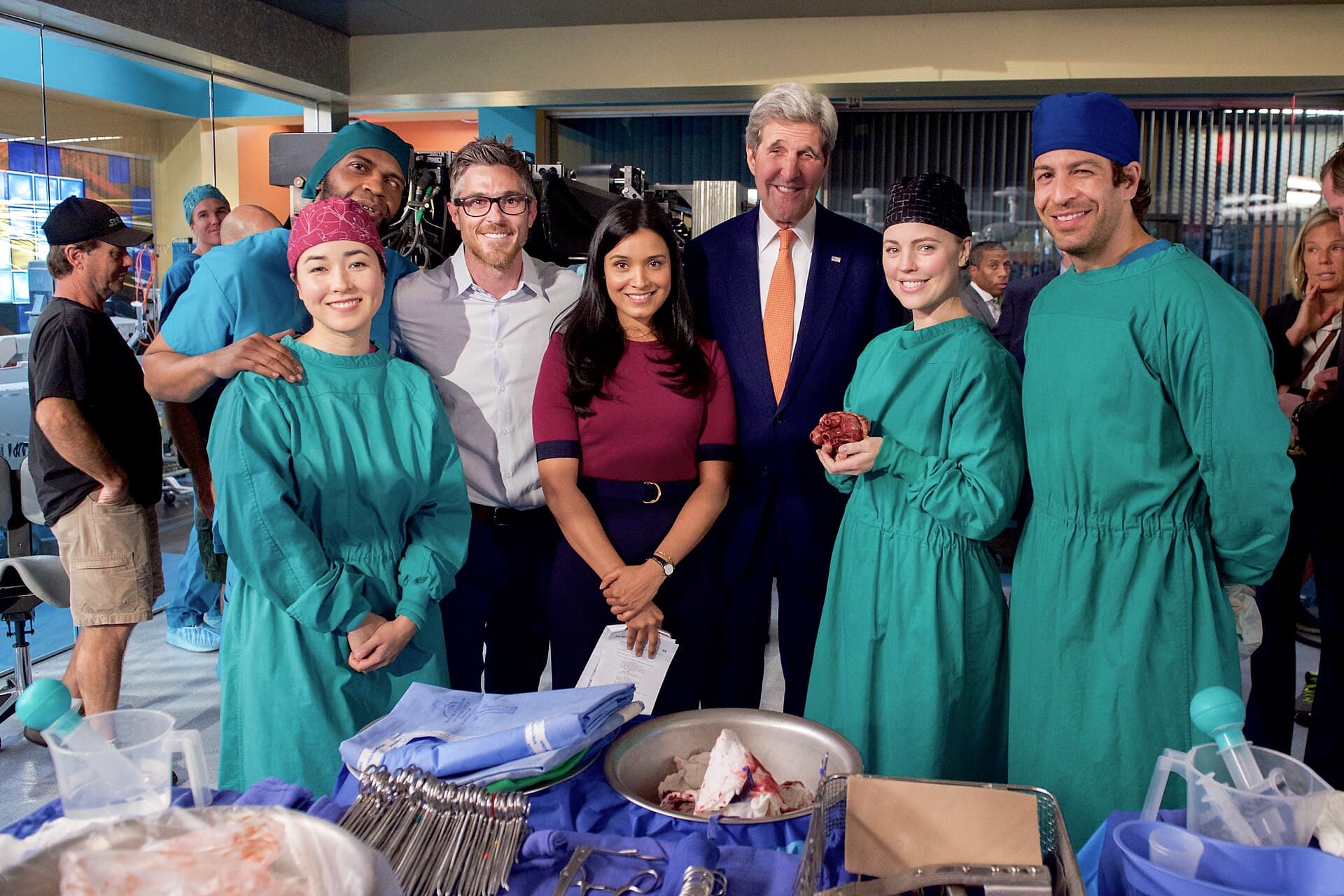
When people hear about a media merger, the first reaction is usually simple: fewer companies must mean fewer jobs. But entertainment rarely works that neatly. The demand for scripted shows, sports, news, streaming libraries, marketing campaigns, live events, and production services does not disappear just because the logo on the paycheck changes. What usually happens instead is a messy reshuffling of who gets hired, which projects get priority, and what kinds of jobs become more valuable.
paragraphs like this matter because Hollywood is not just stars and executives. It is editors, set builders, camera crews, costumers, caterers, publicists, accountants, and freelancers who move from project to project. A combined company can absolutely cut duplicate corporate roles, and that pain is real. But it can also greenlight projects that a weaker company might delay, cancel, or fail to finance at all. For a lot of workers, a stable business with a clearer strategy is better than a struggling one that keeps everything technically separate while slowly producing less.
For viewers, the practical issue is not whether every merger is good. It is whether entertainment companies are being pushed to survive in ways that still support actual production. If blocking deals leaves companies too weak, too indebted, or too stuck in old business models to invest in new movies and series, that can hurt workers just as much as consolidation can. Fewer healthy buyers for creative work can be its own kind of job killer.
The smart conversation is less about treating every merger as a cultural apocalypse and more about asking what happens afterward. Are companies still funding mid-budget projects, regional production, and long-term creative relationships? Are they building a business that can keep crews working between boom-and-bust cycles? In entertainment, job security usually comes from a pipeline of real productions, not from preserving a corporate org chart exactly as it was.
Photo: U.S. Department of State from United States via Wikimedia Commons (Public domain).
.jpg)
Related stories
Why Reality-TV Fiction Feels So Easy to Believe Right Now
Stories that borrow the look and rhythm of reality TV can feel uncannily convincing. For viewers, that makes entertainment more immersive—but also a little trickier to watch without getting pulled into the performance.

Your Next Movie Night Deserves Better Than the Algorithm
Trending movie lists can be a useful shortcut, but they work best when you treat them like a starting point instead of a verdict. The smartest pick for tonight is the one that fits your mood, your group, and how much attention you actually want to give it.

Your Weekend Watchlist Needs One Comfort Pick and One Chaos Pick
The smartest way to choose something to stream isn’t chasing the loudest release. Build a better night in by pairing one easy crowd-pleaser with one movie that actually surprises you.