Why Local Worker Wellness Programs Matter More Than Another Trendy Health Perk
When health support shows up close to home and fits real work schedules, it can do more good than flashy wellness trends. Practical care, not performative perks, is what many communities actually need.
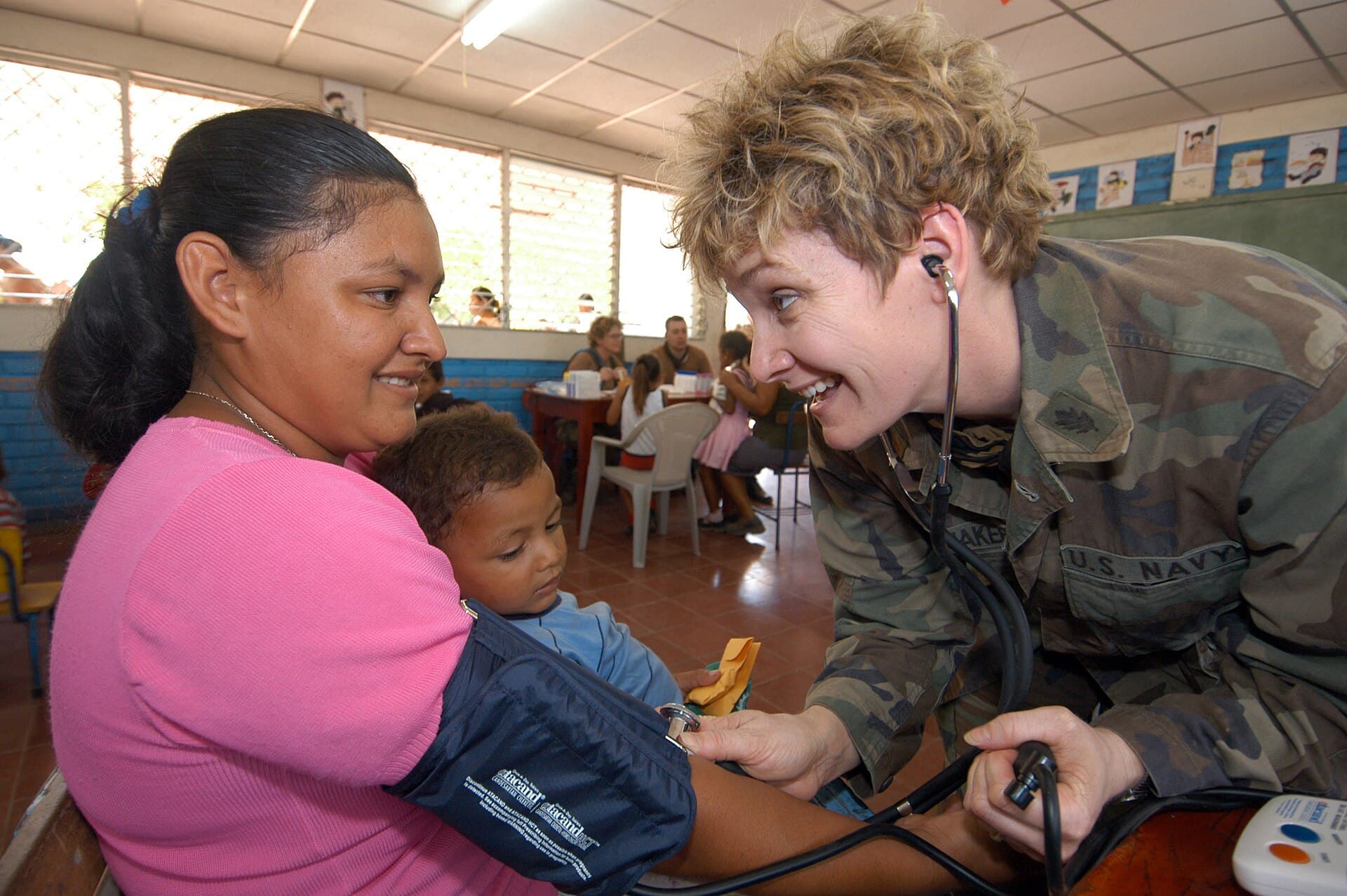
A lot of workplace wellness still feels designed for office parks, not real life. If you work long shifts, commute across counties, juggle childcare, or live far from specialists, a meditation app and a branded water bottle are not a serious health strategy. The more useful model is local, practical support that meets workers where they are instead of asking them to rearrange their lives around care.
That matters especially in smaller cities and rural areas, where getting help can mean taking unpaid time off, driving a long distance, or waiting months for an appointment. Programs tied to local health systems can make a bigger difference because they have a chance to focus on basics that actually move the needle: preventive visits, mental health access, chronic-condition support, and care that fits shift work.
There is also a beauty and self-care angle here that often gets overlooked. People are more likely to keep up with skin checks, sleep habits, stress treatment, and routine care when services feel reachable and normal, not like luxury add-ons. Good health habits are easier to maintain when they are connected to your community and your schedule, rather than sold as aspirational content.
For readers trying to spend smarter, this is the kind of health investment worth paying attention to. Flashy perks make good recruiting copy, but dependable access to care is what helps people feel better, miss fewer workdays, and avoid bigger problems later. In the long run, practical wellness is not boring; it is the perk that actually earns its place.
Photo: U.S. Navy photo by Journalist 2nd Class Brian Brannon via Wikimedia Commons (Public domain).

Related stories

What to Keep at Home When Air Quality Feels Out of Your Control
Big environmental health stories can feel distant until the air outside smells off or your throat starts to notice. A practical home setup can’t solve the source of pollution, but it can make everyday life more manageable.

Why Bigger Health Systems Only Matter If Care Gets Easier
Major healthcare expansion sounds impressive, but most families feel the impact in much smaller ways: appointment wait times, travel, and the cost of basic care. The real win is convenience people can actually use.
The Health Costs Worth Questioning in Your Everyday Routine
Big promises about fixing health care can feel distant, but most people deal with the system through everyday bills, refills, and checkout counters. A practical place to start is getting sharper about the small charges and habits that quietly add up.