Why Shoppers Keep Opening Their Wallets Even When Prices Still Sting
Americans are still spending, but that doesn’t mean household budgets feel comfortable. The real story is how people are getting more selective, stretching timing, and redefining what counts as a worthwhile purchase.
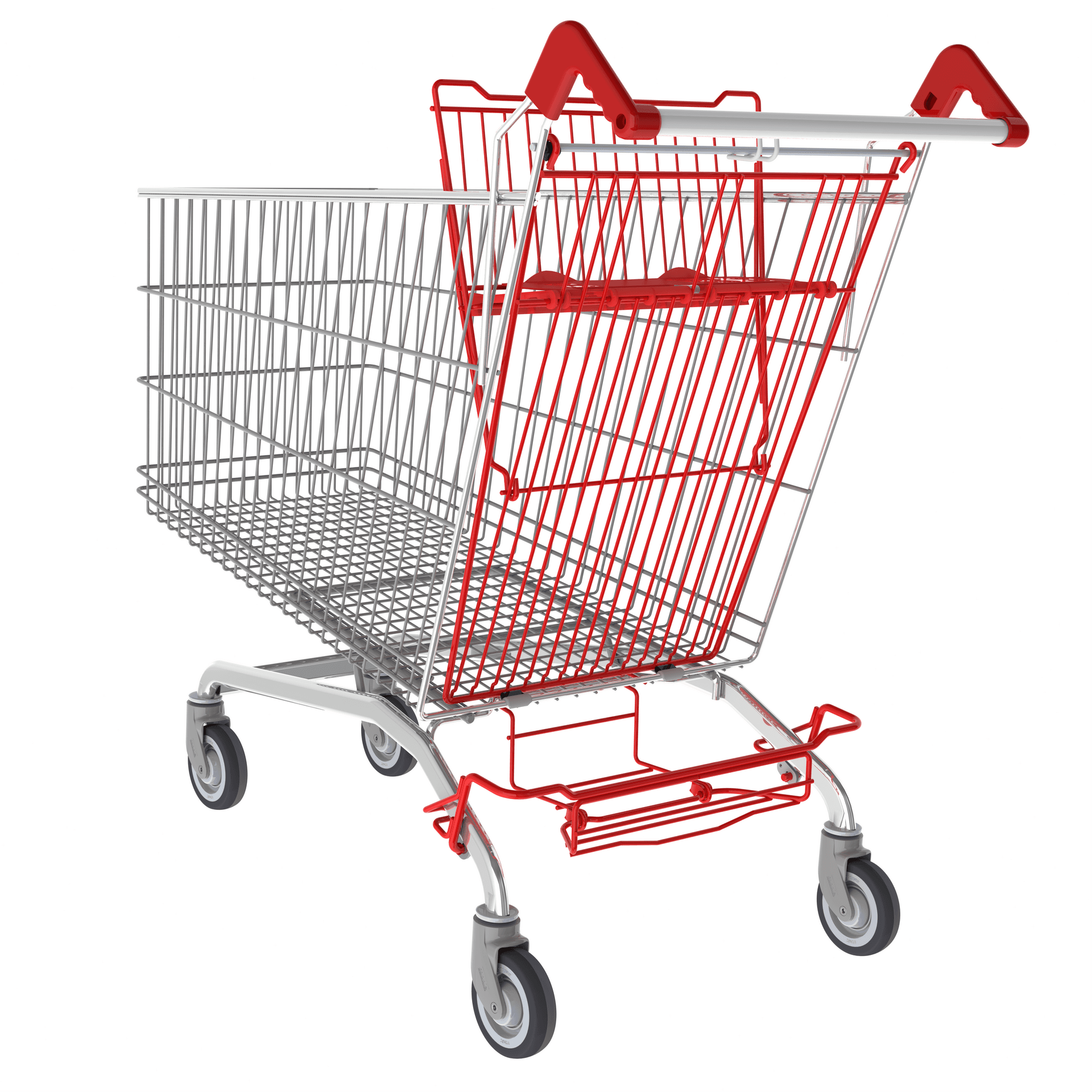
Consumers are still buying, but that doesn’t automatically mean they feel good about the economy. A lot of households are moving forward because life keeps sending the same bills: groceries, school needs, car repairs, birthday gifts, takeout on a busy night. Spending can rise even when confidence is shaky, especially when people are trying to protect routines that make daily life feel manageable.
What changes in this kind of economy is not whether people spend, but how. Shoppers become less loyal, more patient, and quicker to compare sizes, fees, and timing. One week that means buying store brands and skipping extras; the next it means saying yes to a larger purchase because delaying it any longer would cost more in stress, maintenance, or missed work. That’s not reckless behavior. It’s practical math under pressure.
For readers trying to make sense of mixed economic signals, the useful takeaway is to watch your own categories instead of the headlines alone. If your budget feels tighter, the fix usually isn’t a total freeze. It’s deciding which purchases truly reduce friction in your week and which ones are just expensive habits wearing the mask of convenience. In a stubbornly pricey environment, clarity matters more than guilt.
The current consumer mood looks less like optimism and more like adaptation. People are still participating in the economy, but with sharper elbows and lower patience for waste. That may be the most important shopping trend right now: Americans are still willing to spend, just not mindlessly. For deal seekers, that makes this a smart time to be deliberate, flexible, and a little skeptical of anything pretending to be essential.
Photo: Caddiedrusenheim via Wikimedia Commons (CC BY-SA 4.0).

Related stories
Why a Spending Surge Doesn’t Mean Households Feel Rich
A strong month for consumer spending can sound like a victory lap, but many Americans know the difference between buying more and feeling financially comfortable. The real story is how households keep spending while staying cautious everywhere else.

What Empty Parking Lots Can Tell You About Shifting Spending Habits
Consumer confidence doesn’t always show up in headlines first. Sometimes the clearest clues are quieter: lighter shopping traffic, more selective purchases, and households stretching the life of what they already own.
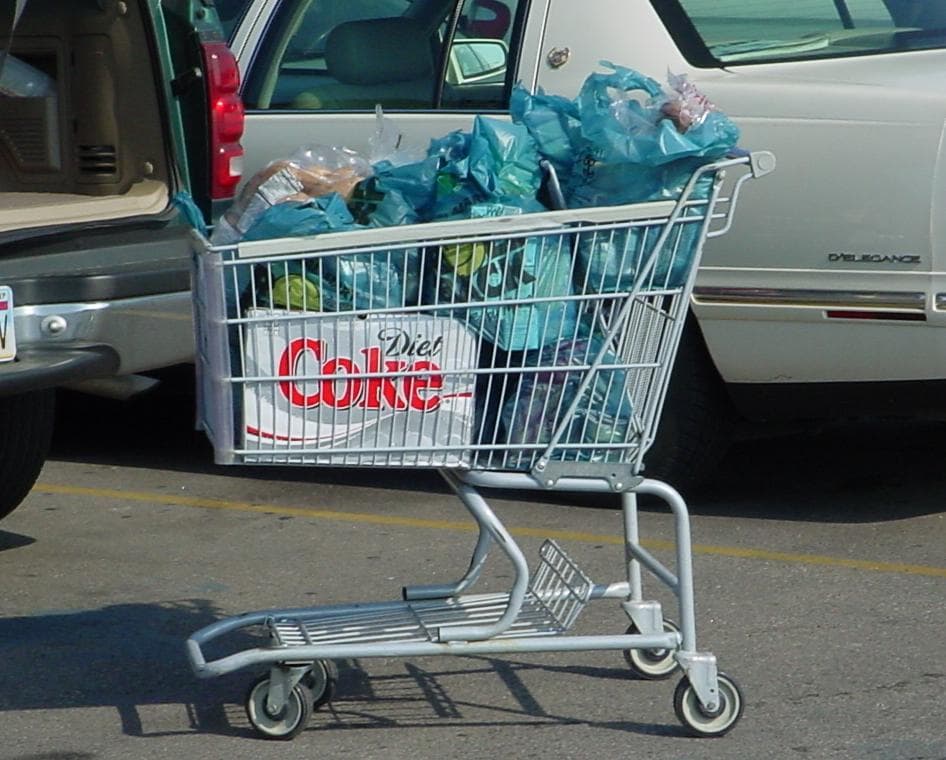
Consumers Keep Carrying the Economy, but Households Shouldn’t Get Complacent
Stronger consumer spending can sound like a national win, but for households it’s also a reminder to check whether confidence is turning into drift. When the economy looks sturdy, the smartest move is often tightening up the basics before costs rise again.