Why the AI Upgrade Cycle Could Send More Shoppers Back to Big-Box Tech Stores
As AI features spread from phones and laptops to TVs and home gadgets, more shoppers may want to compare products in person before they buy. That could give large electronics retailers a practical edge, especially for households trying to separate useful upgrades from expensive hype.
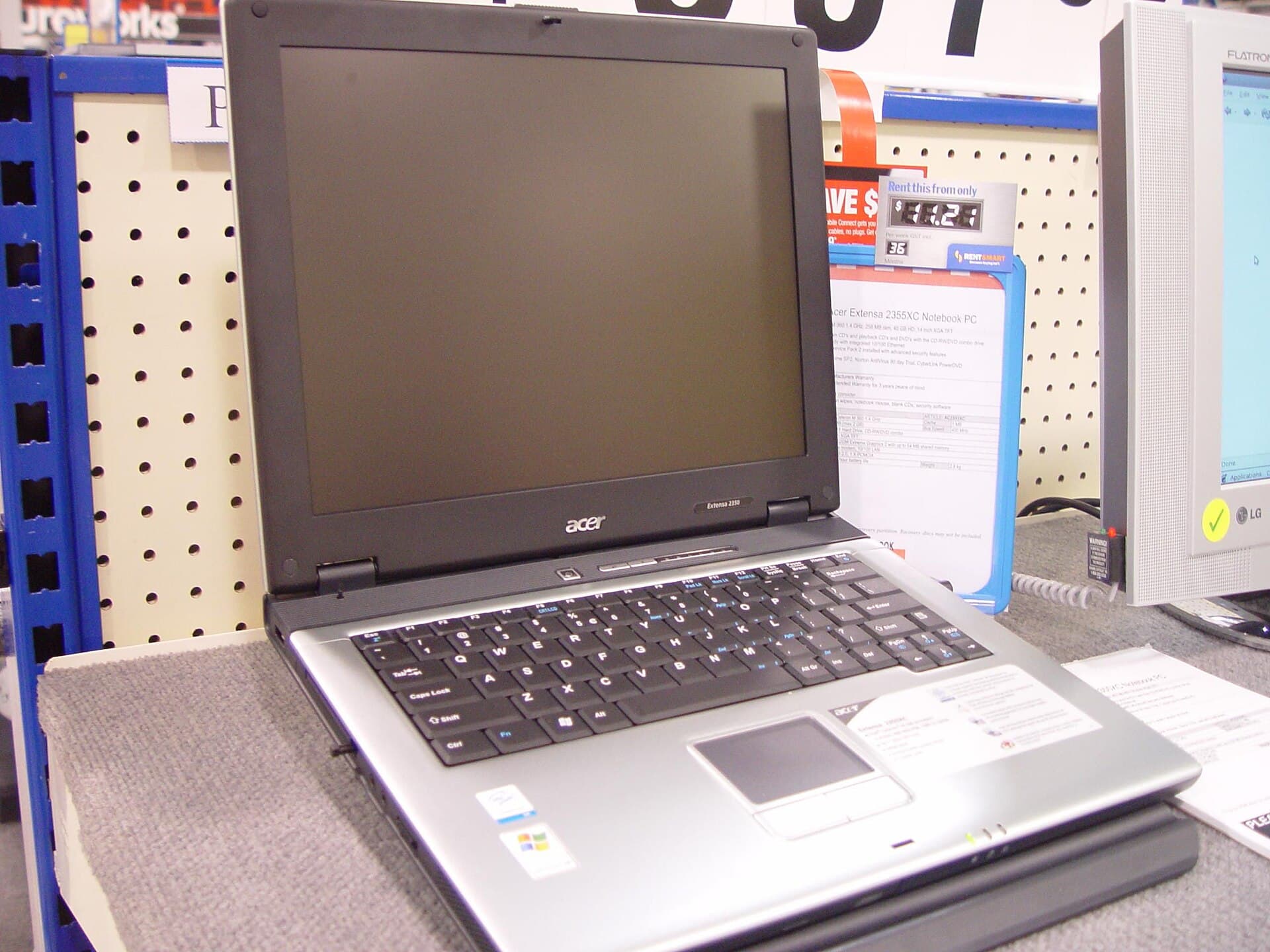
The next wave of consumer tech may be less about buying a single flashy gadget and more about replacing everyday devices with versions that promise smarter features. When AI shows up in laptops, phones, TVs, headphones, and home appliances all at once, shopping gets more confusing for regular households, not less. That usually helps stores where people can see products side by side, ask questions, and leave with something the same day.
For shoppers, the real issue is not whether a device has AI, but whether the feature saves time or reduces friction. A laptop that improves battery life while handling photo editing or note-taking more smoothly is easier to justify than a vague promise of being more intelligent. The same goes for phones with better search, cameras, or transcription tools. If retailers can translate technical language into everyday benefits, they become more useful than a product page full of buzzwords.
There is also a practical reason physical electronics stores may matter more during this cycle: AI features are hard to judge from specs alone. Screen quality, keyboard feel, speaker performance, setup simplicity, and software polish still influence whether a product feels worth bringing home. Even shoppers who research online often want a final in-person check before making a bigger purchase, especially when the marketing around new features is moving faster than most people can evaluate.
That makes this a good moment for consumers to shop with a little skepticism. Look past labels and ask what the device does better than last year’s model in normal daily use. If the answer is clearer writing help, easier photo cleanup, faster search, or less tedious setup, that may be a worthwhile upgrade. If the pitch sounds impressive but doesn’t change your routine, waiting is still one of the smartest tech deals around.
Photo: Leon Brooks via Wikimedia Commons (Public domain).

Related stories
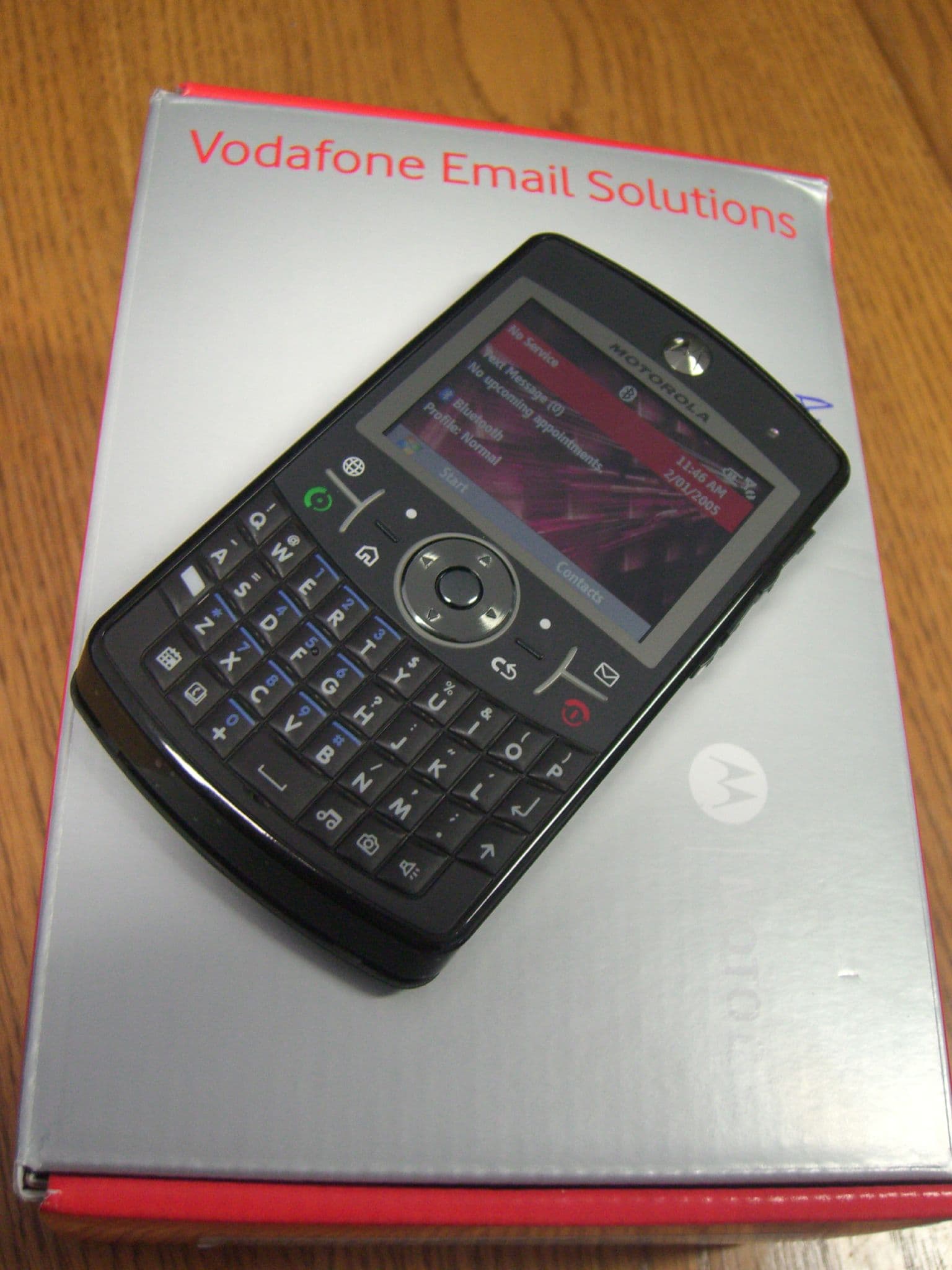
The Smartest Way to Shop New Tech Right Now
The newest gadget drop is always tempting, but the best buy is often the device that solves one daily annoyance without adding three new ones. For US shoppers, this is a good moment to focus on comfort, compatibility, and how long a product will still feel useful after the hype fades.

Why Chip Revenue Swings Matter to Everyday Tech Shoppers
Wall Street watches chip-company revenue for clues about the future, but regular consumers can read the same signals in a more practical way. When memory and mobile-chip demand shifts, it often shows up later in laptop deals, phone upgrades, and the timing of big tech purchases.
Why AI Money News Matters to Regular Tech Shoppers
Big funding rounds and IPO chatter can feel distant, but they often shape the apps, devices, and subscriptions Americans use every day. The real question is whether the next wave of AI competition brings better tools or just higher monthly bills.