Before You Vote for a Gadget, Ask What It Saves You
Awards season for tech is a good reminder that the best gadget isn’t always the flashiest one. For most shoppers, the real winner is the device that saves time, hassle, or replacement costs after the unboxing glow wears off.

Tech awards tend to spotlight the products that look exciting in a headline, but everyday buyers usually live with a much simpler question: does this thing make life easier next month, not just today? A gadget can be beautifully designed and still end up in a drawer if it adds one more charger, one more app, or one more subscription to manage.
For shoppers, the most useful way to think about a “best” device is whether it reduces friction. That might mean a battery that lasts through a full travel day, a tablet that actually replaces a second screen at home, or earbuds that connect reliably without turning every commute into a troubleshooting session. Convenience is not boring when you’re the one paying for it.
This is also a good moment to be a little skeptical of feature overload. Many devices now promise pro-level performance, smart-home magic, and health tracking all at once, but most people only use a fraction of what they buy. The better value often comes from buying the model that does the basics extremely well and holds up for a few years, instead of chasing a spec sheet built for bragging rights.
If consumers are going to celebrate gadgets, it’s worth rewarding the ones that age gracefully: products with software support, durable build quality, easy setup, and accessories you can replace without a scavenger hunt. That may not be the most glamorous definition of innovation, but it’s the one that matters when a device becomes part of your daily routine rather than part of your e-waste.
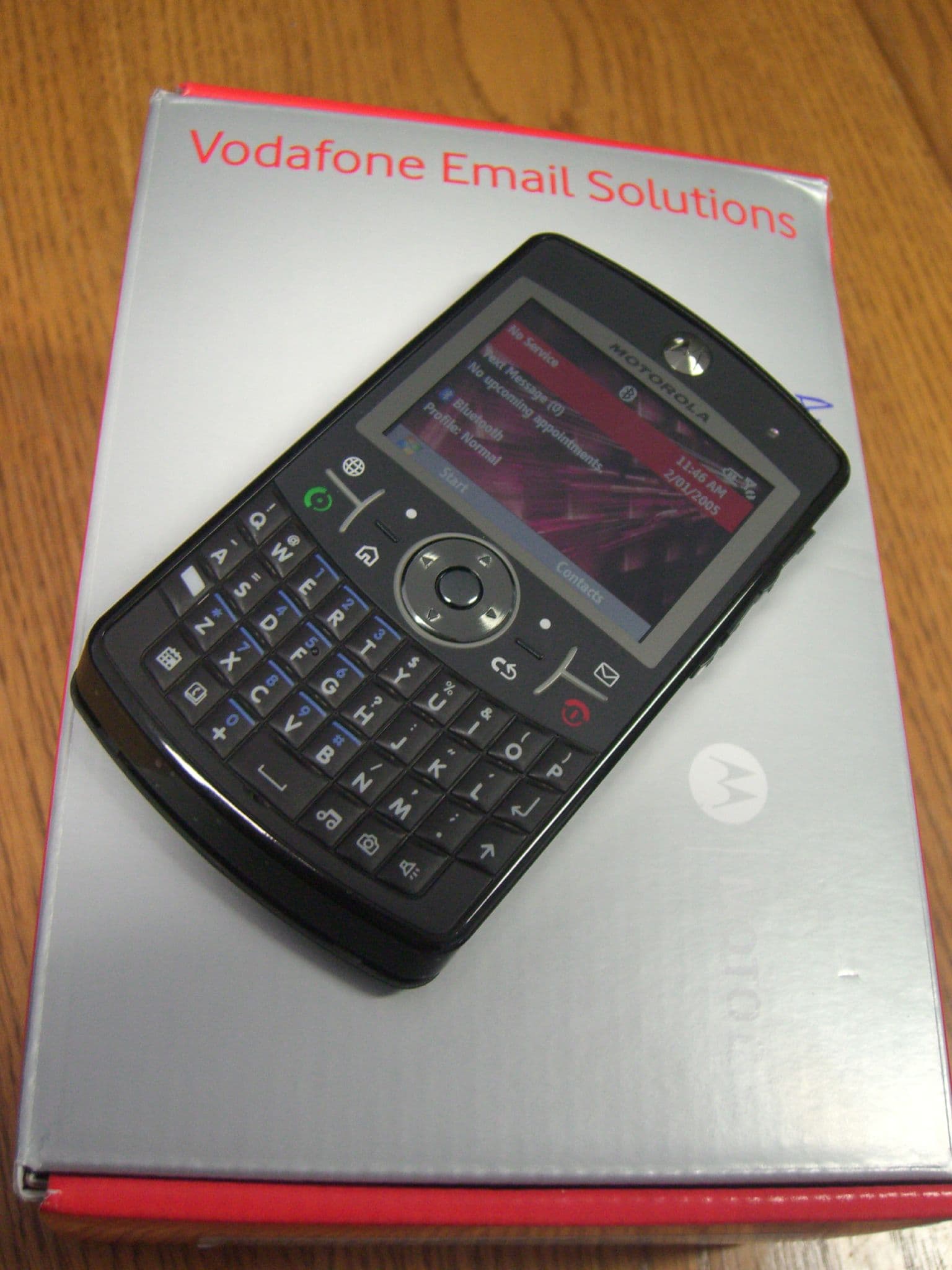
Photo: Shixart1985 via Wikimedia Commons (CC BY 2.0).

Related stories
The Smartest Way to Shop New Tech Right Now
The newest gadget drop is always tempting, but the best buy is often the device that solves one daily annoyance without adding three new ones. For US shoppers, this is a good moment to focus on comfort, compatibility, and how long a product will still feel useful after the hype fades.

Why Chip Revenue Swings Matter to Everyday Tech Shoppers
Wall Street watches chip-company revenue for clues about the future, but regular consumers can read the same signals in a more practical way. When memory and mobile-chip demand shifts, it often shows up later in laptop deals, phone upgrades, and the timing of big tech purchases.

Why AI Money News Matters to Regular Tech Shoppers
Big funding rounds and IPO chatter can feel distant, but they often shape the apps, devices, and subscriptions Americans use every day. The real question is whether the next wave of AI competition brings better tools or just higher monthly bills.