The Best Closet Upgrade Might Be Someone Else’s Return Pile
For shoppers tired of flimsy trends and constant micro-hauls, thrift stores offer a slower, smarter way to buy clothes. The real appeal isn’t just saving money—it’s finding pieces that actually deserve closet space.
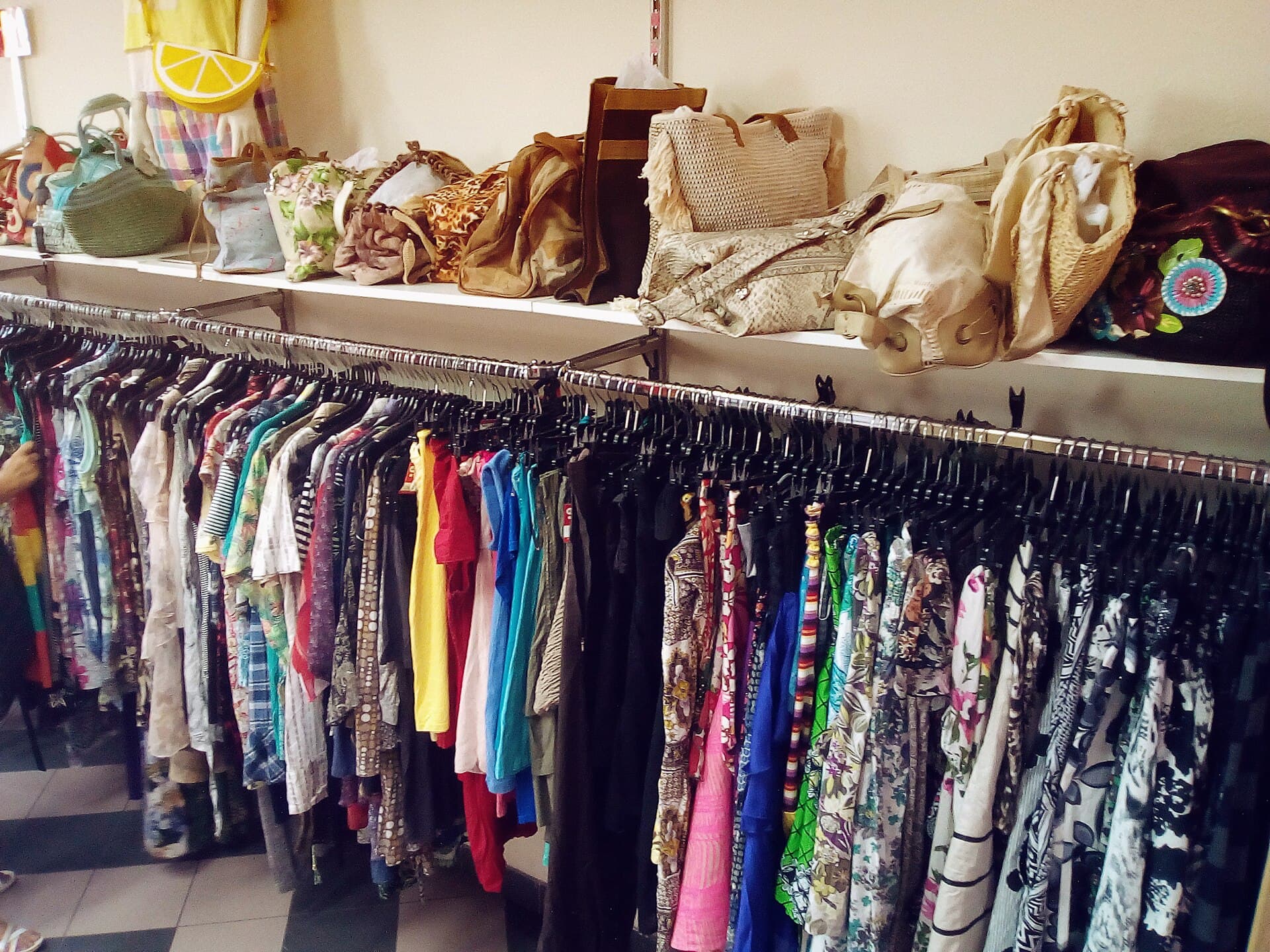
A lot of fast-fashion shopping now feels less like getting dressed and more like managing churn. You order a few trendy pieces, hope one works, and end up with something that looks tired after a couple of wears. Thrift stores aren’t a perfect substitute for every wardrobe need, but they do interrupt that cycle in a useful way: they force you to slow down and judge clothes by fabric, fit, and condition instead of by whatever just appeared in your feed.
paragraphs like this shouldn’t pretend thrifting is effortless. It takes time, patience, and a willingness to leave empty-handed. But that’s also what makes it a better filter. When you can’t instantly replace every impulse buy, you get sharper about what you actually wear. A good thrift trip often leads to fewer, better decisions—solid denim, real wool, broken-in leather, or a basic button-down that has already proved it can survive a washing machine.
For US shoppers, the sweet spot is using thrift as a first stop, not a moral identity. Look there for jackets, jeans, workwear, occasion clothes, and natural-fiber basics before turning to new retail. For items where hygiene, sizing consistency, or performance matter more—underwear, some activewear, specialty shoes—it still makes sense to buy new. That mix is more realistic than pretending secondhand can solve every apparel problem on its own.
What thrift shopping does especially well is reset your standards. Once you’ve found a well-made piece for less than the cost of a throwaway trend item, it gets harder to justify clothes designed to look old before they’re even broken in. Even if thrift stores don’t “save” anyone from fast fashion completely, they can make your closet more personal, more durable, and a lot less disposable.
Photo: MAKY.OREL via Wikimedia Commons (CC BY-SA 4.0).

Related stories

The Best Trend in Fashion Right Now Is Looking Unbothered
The most wearable runway idea this season isn’t a single item—it’s the return of clothes that look lived in, easy, and ready for an actual day. For shoppers, that means buying less fantasy and more pieces that earn repeat wear.
Why Independent Fashion Labels Need Community More Than Hype
Big fashion headlines can distract from the fragile reality of independent labels. For shoppers, the most meaningful support often looks less like chasing trends and more like showing up for small brands consistently.
The Smart Sneaker Buy Right Now Is the One You’ll Actually Wear Everywhere
Luxury sneakers are having another status moment, but the most useful pair is still the one that fits your real life. For US shoppers, the best buy is less about hype and more about repeat wear, comfort, and what works with the clothes you already own.