Why Independent Fashion Labels Need Community More Than Hype
Big fashion headlines can distract from the fragile reality of independent labels. For shoppers, the most meaningful support often looks less like chasing trends and more like showing up for small brands consistently.
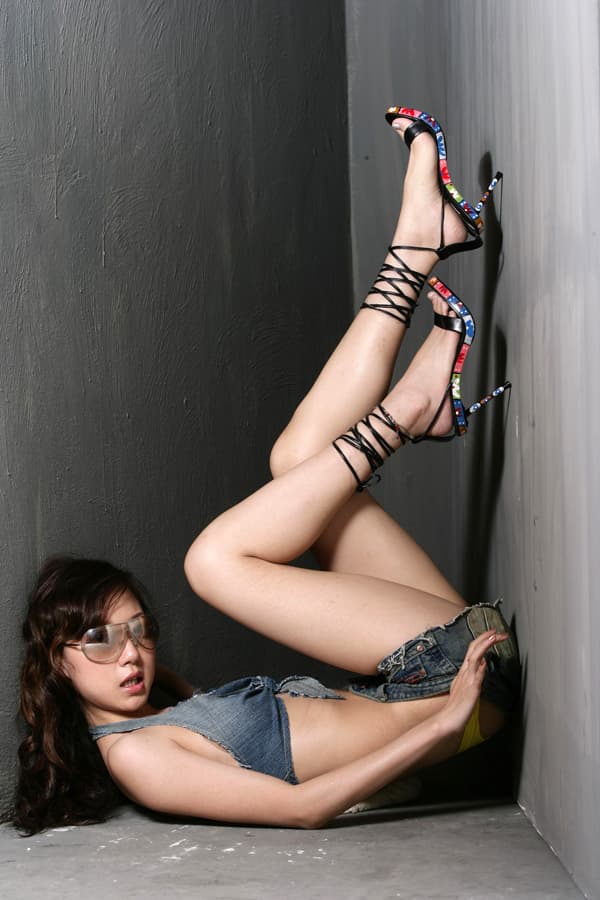
When fashion makes national news, it can be a reminder that behind every label is a very real small business, often built on long hours, personal risk, and tight community ties. Independent designers are not abstract brands; they are usually running production, marketing, fittings, shipping, and customer service all at once. That makes the local fashion economy feel less glamorous and more like any other Main Street ecosystem that depends on regular support.
For shoppers, this is a useful moment to rethink what support actually means. It is easy to praise creativity online and still spend most of our money with giant retailers that can out-discount almost anyone. If you care about original design, better construction, or clothing with a point of view, the practical move is to buy with more intention: reorder from the maker whose shirt you already wear constantly, share a small brand with a friend, or shop directly when possible instead of waiting for everything to hit markdown territory.
There is also a style argument here. The most interesting wardrobes usually do not come from algorithm-driven sameness; they come from a mix of pieces with a human hand behind them. A jacket altered by a local tailor, a knit from a neighborhood boutique, or a dress from a small studio tends to outlast the thrill of a viral purchase. Not every independent piece has to be expensive or precious, but it should feel chosen rather than merely delivered.
In a shaky retail environment, community is the real luxury. Small labels survive when customers treat them less like disposable content and more like part of the places they live. That does not require turning every purchase into a moral statement. It just means recognizing that what we wear is connected to who gets to keep making things, and deciding that originality is worth supporting before it disappears.
Photo: Sherry Zhang via Wikimedia Commons (CC BY 2.0).

Related stories

The Best Trend in Fashion Right Now Is Looking Unbothered
The most wearable runway idea this season isn’t a single item—it’s the return of clothes that look lived in, easy, and ready for an actual day. For shoppers, that means buying less fantasy and more pieces that earn repeat wear.
The Best Closet Upgrade Might Be Someone Else’s Return Pile
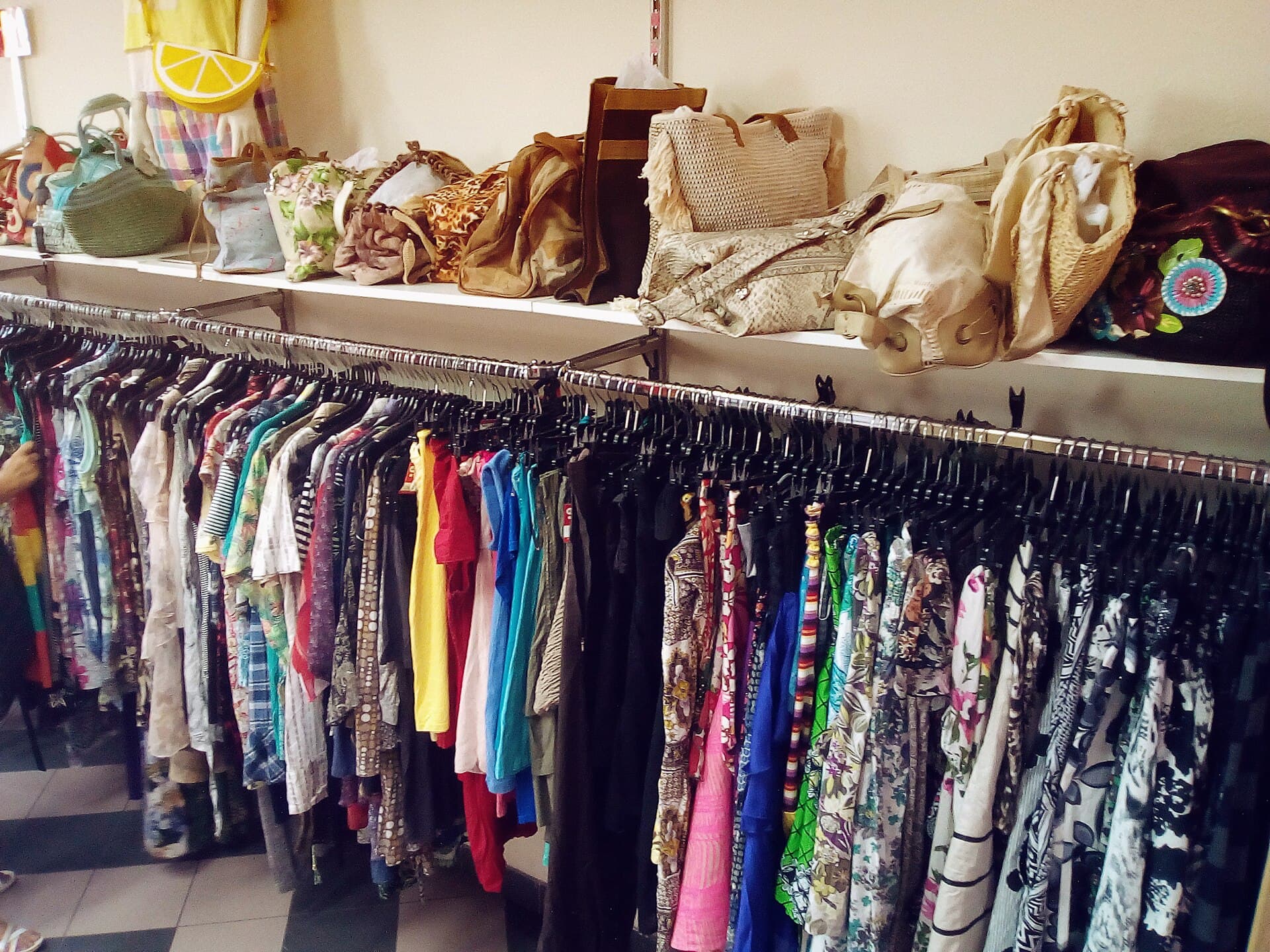
For shoppers tired of flimsy trends and constant micro-hauls, thrift stores offer a slower, smarter way to buy clothes. The real appeal isn’t just saving money—it’s finding pieces that actually deserve closet space.
The Smart Sneaker Buy Right Now Is the One You’ll Actually Wear Everywhere
Luxury sneakers are having another status moment, but the most useful pair is still the one that fits your real life. For US shoppers, the best buy is less about hype and more about repeat wear, comfort, and what works with the clothes you already own.