Big Tech’s Split Screen: Investor Wins, Family Worries, and What Users Should Do
A strong earnings week can coexist with serious questions about how tech products shape daily life. For regular users, the smarter move is to pay attention to both the business success and the household consequences.
Tech news often arrives in two very different moods at once: celebration on Wall Street and anxiety at the kitchen table. A company can post impressive financial results while another faces scrutiny over how its platforms affect younger users, and both stories matter to anyone who owns a phone, pays for internet, or is trying to raise kids around screens.
For US households, the practical takeaway is that market success does not automatically mean a product deserves more trust in everyday life. Fast growth, popular apps, and big launches can be signs of strong demand, but they do not answer the more personal questions people actually have: Is this service worth my time? Does it make my family’s routine better or worse? Are the settings and safeguards good enough, or am I doing the cleanup work myself?
This is a good week to do a small tech reset at home. Check screen-time controls, review notification settings, and look at which apps really dominate the day. If a platform feels engineered to keep everyone slightly distracted, that feeling is probably worth taking seriously. Consumers do not need to wait for a lawsuit, a hearing, or a quarterly report to set firmer boundaries around devices and social feeds.
The bigger cultural shift may be that Americans are getting less dazzled by growth alone. People still like useful gadgets and ambitious companies, but they are also asking a tougher question: useful for whom, and at what cost? That is a healthier way to read tech news, because it treats products as part of real life, not just as numbers on a chart.
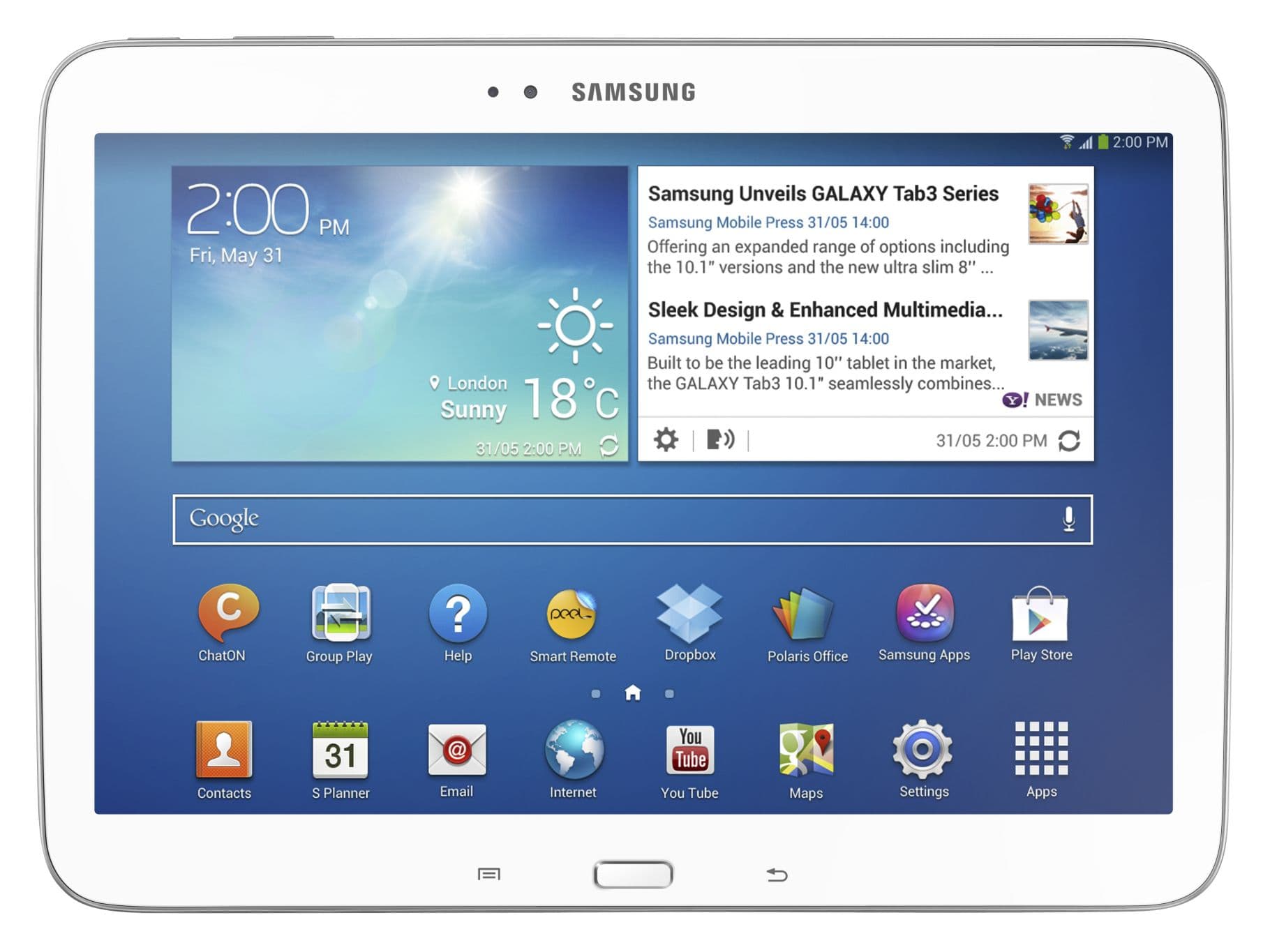
Photo: Intel Free Press via Wikimedia Commons (CC BY-SA 2.0).

Related stories
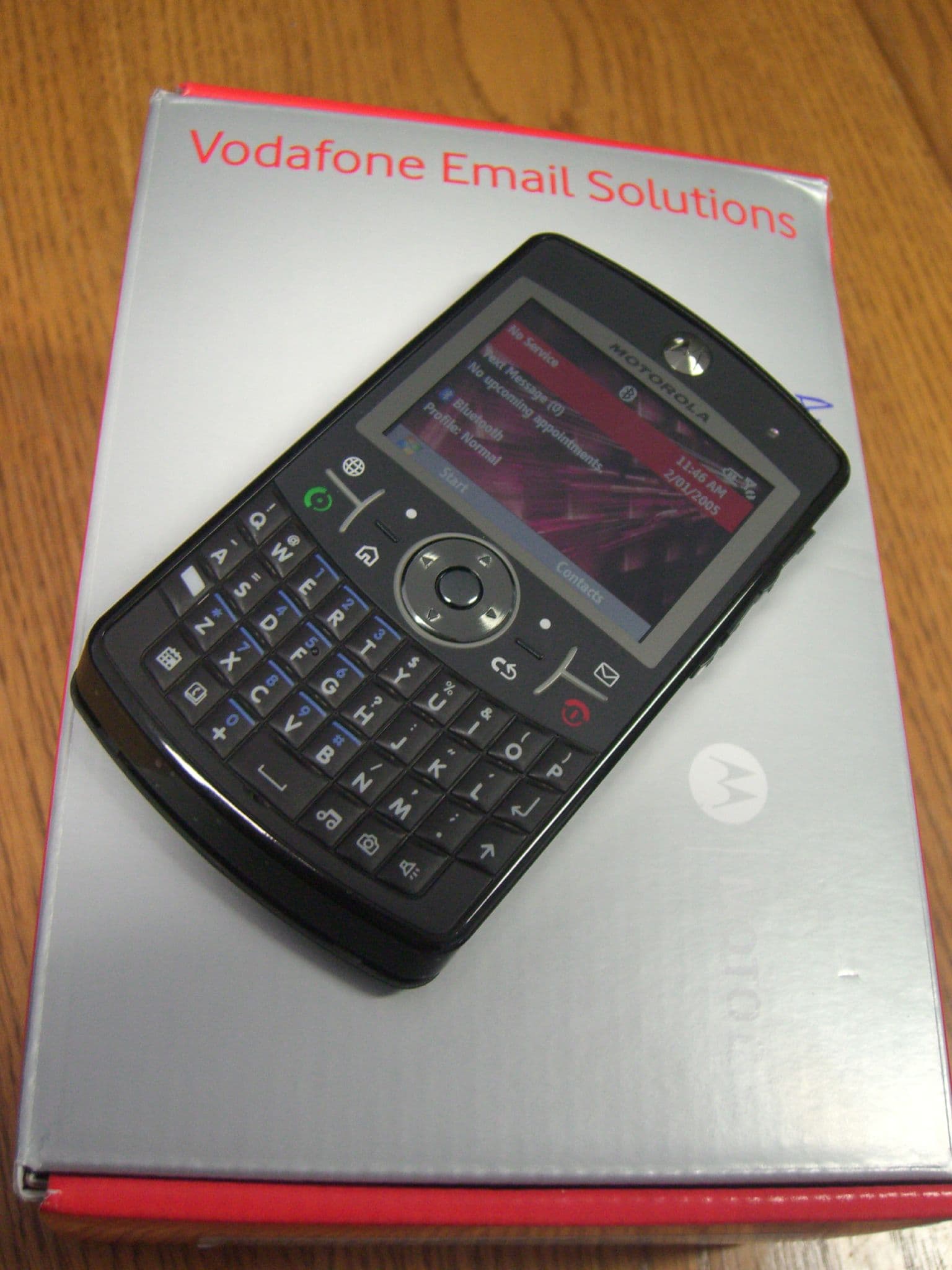
The Smartest Way to Shop New Tech Right Now
The newest gadget drop is always tempting, but the best buy is often the device that solves one daily annoyance without adding three new ones. For US shoppers, this is a good moment to focus on comfort, compatibility, and how long a product will still feel useful after the hype fades.

Why Chip Revenue Swings Matter to Everyday Tech Shoppers
Wall Street watches chip-company revenue for clues about the future, but regular consumers can read the same signals in a more practical way. When memory and mobile-chip demand shifts, it often shows up later in laptop deals, phone upgrades, and the timing of big tech purchases.

Why AI Money News Matters to Regular Tech Shoppers
Big funding rounds and IPO chatter can feel distant, but they often shape the apps, devices, and subscriptions Americans use every day. The real question is whether the next wave of AI competition brings better tools or just higher monthly bills.