The Privacy Setting Hiding in Your Dashboard
Modern cars collect far more than mileage and maintenance info, and many drivers never realize how much data leaves the vehicle. Treat your car’s privacy menu with the same skepticism you’d bring to a new phone app.
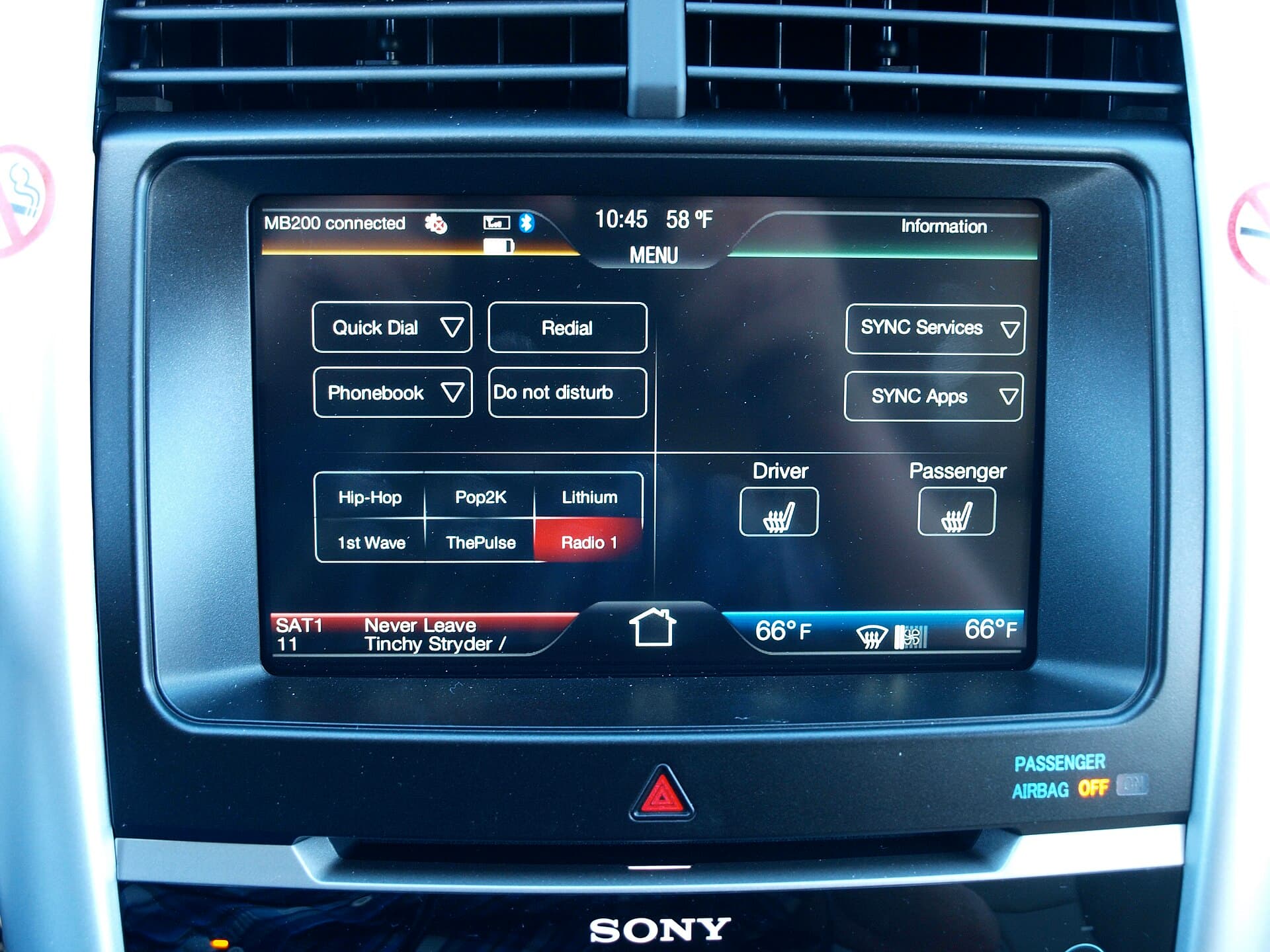
For a lot of Americans, the family car now behaves less like a machine and more like a rolling account login. Navigation, app connections, driver profiles, voice commands, and built-in internet features can be convenient, but they also turn everyday trips into a steady stream of data. The problem isn’t just that cars are getting smarter. It’s that the privacy tradeoff is often buried in setup screens most people tap through at the dealership.
That matters because a car knows plenty about real life. It can see where you go, when you leave home, how often you visit work, and sometimes which phone is paired with the system. Add companion apps and connected services, and the humble commute starts looking a lot more like a personal data product. Many drivers would never knowingly agree to that level of tracking if it were presented in plain English.
The practical move is to treat a car purchase like a tech purchase. Before you accept every connected feature, check the in-car privacy settings, the brand’s app permissions, and any account you created to activate remote services. If you don’t use a feature, turn it off. If the car allows you to limit data sharing, do it early rather than after months of driving. And if you sell the vehicle, wipe personal accounts and saved devices the same way you would before trading in a phone.
Convenience is nice, but it shouldn’t be the default excuse for invisible surveillance on wheels. Car brands love to market seamless digital features as premium extras, yet buyers increasingly have to do the work of protecting themselves. A good rule for 2026 is simple: if your car wants your contacts, location history, and app access, assume that request deserves a hard second look.
Photo: Randy Stern from Minneapolis, MN, USA via Wikimedia Commons (CC BY 2.0).

Related stories
The Smartest Way to Shop New Tech Right Now
The newest gadget drop is always tempting, but the best buy is often the device that solves one daily annoyance without adding three new ones. For US shoppers, this is a good moment to focus on comfort, compatibility, and how long a product will still feel useful after the hype fades.

Why Chip Revenue Swings Matter to Everyday Tech Shoppers
Wall Street watches chip-company revenue for clues about the future, but regular consumers can read the same signals in a more practical way. When memory and mobile-chip demand shifts, it often shows up later in laptop deals, phone upgrades, and the timing of big tech purchases.
Why AI Money News Matters to Regular Tech Shoppers
Big funding rounds and IPO chatter can feel distant, but they often shape the apps, devices, and subscriptions Americans use every day. The real question is whether the next wave of AI competition brings better tools or just higher monthly bills.