The Privacy Setting Hiding in Your Dashboard
Modern cars behave more like connected devices than simple transportation, and that means your driving habits can travel further than you expect. For drivers, privacy is becoming one more setting worth checking before the next commute.
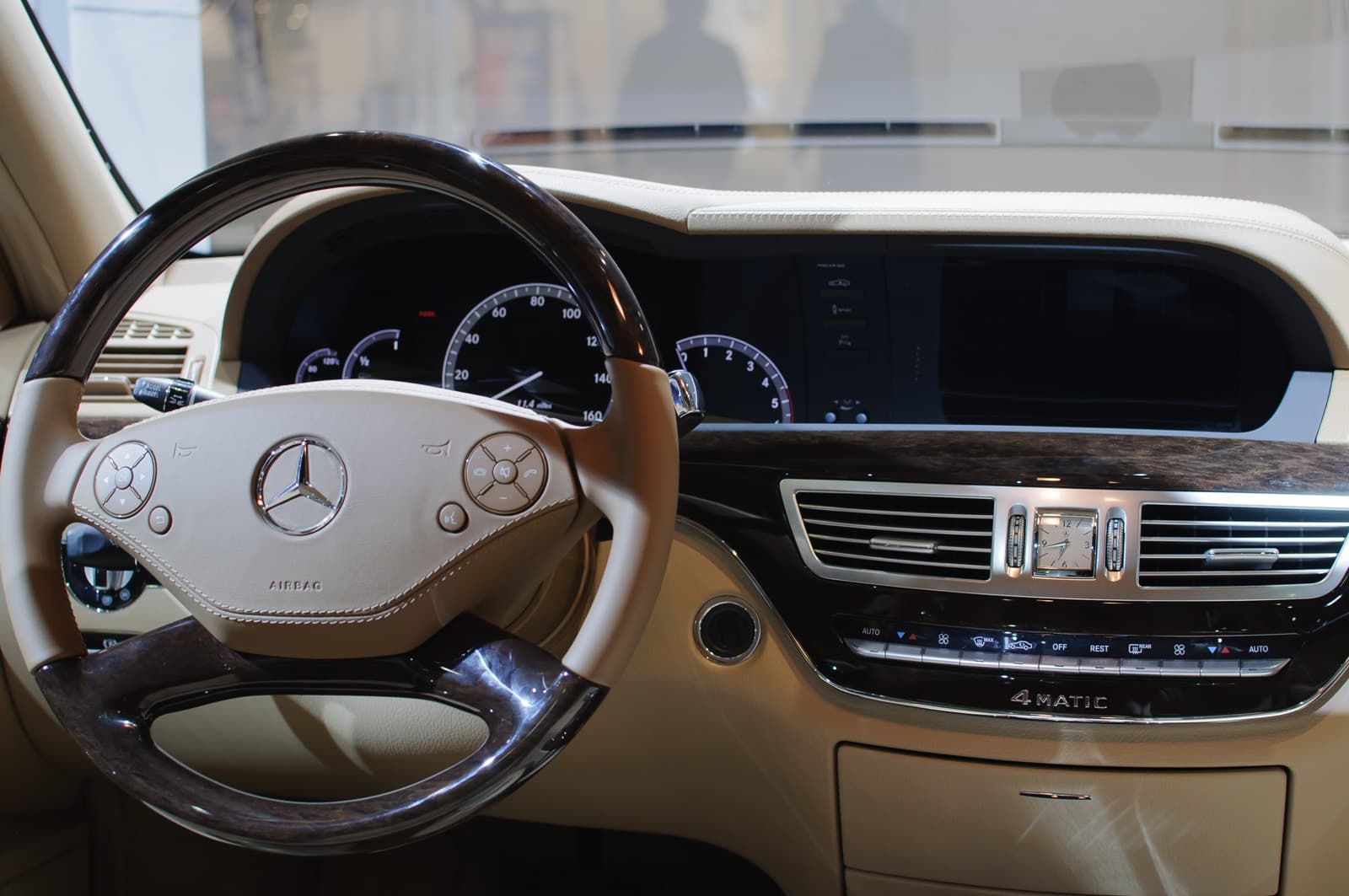
A lot of Americans still think of car privacy the old-fashioned way: what happens inside your vehicle stays there. But newer cars collect, store, and transmit a surprising amount of information through apps, infotainment systems, built-in cellular connections, and driver-assist features. The practical takeaway is simple: if your car feels like a smartphone on wheels, it probably comes with smartphone-style data concerns too.
paragraphs like privacy policies and app permissions are not exciting reading, but they matter more in the driveway than most people realize. When drivers connect phones, enable remote features, or agree to in-car terms during setup, they may be allowing data sharing that extends well beyond navigation. Convenience is real, but so is the tradeoff, and car buyers should start treating these screens with the same skepticism they use for social media apps.
If you already own a connected vehicle, this is less a reason to panic than a reason to do a quick digital cleanup. Check the companion app, look through in-dash privacy menus, disable anything you do not actively use, and remove old driver profiles before selling or returning a car. It is also smart to skip unnecessary account linking when a feature works perfectly well without it.
There is a bigger cultural shift here too: buying a car used to be mostly about horsepower, cargo room, and monthly payments. Now it is also about software behavior. For shoppers trying to get the best long-term value, privacy deserves a spot next to fuel economy and reliability, because a good deal stops looking so good when the fine print follows you everywhere.
Photo: skinnylawyer from Los Angeles, California, USA via Wikimedia Commons (CC BY-SA 2.0).
_-_Flickr_-_skinnylawyer.jpg)
Related stories
The Smartest Way to Shop New Tech Right Now
The newest gadget drop is always tempting, but the best buy is often the device that solves one daily annoyance without adding three new ones. For US shoppers, this is a good moment to focus on comfort, compatibility, and how long a product will still feel useful after the hype fades.

Why Chip Revenue Swings Matter to Everyday Tech Shoppers
Wall Street watches chip-company revenue for clues about the future, but regular consumers can read the same signals in a more practical way. When memory and mobile-chip demand shifts, it often shows up later in laptop deals, phone upgrades, and the timing of big tech purchases.

Why AI Money News Matters to Regular Tech Shoppers
Big funding rounds and IPO chatter can feel distant, but they often shape the apps, devices, and subscriptions Americans use every day. The real question is whether the next wave of AI competition brings better tools or just higher monthly bills.