Why a Careful Shopping Month Can Still Be Good News
A slower shopping month doesn’t always mean consumers are retreating. For many households, it looks more like disciplined spending: fewer impulse buys, more replacement purchases, and a sharper focus on value.
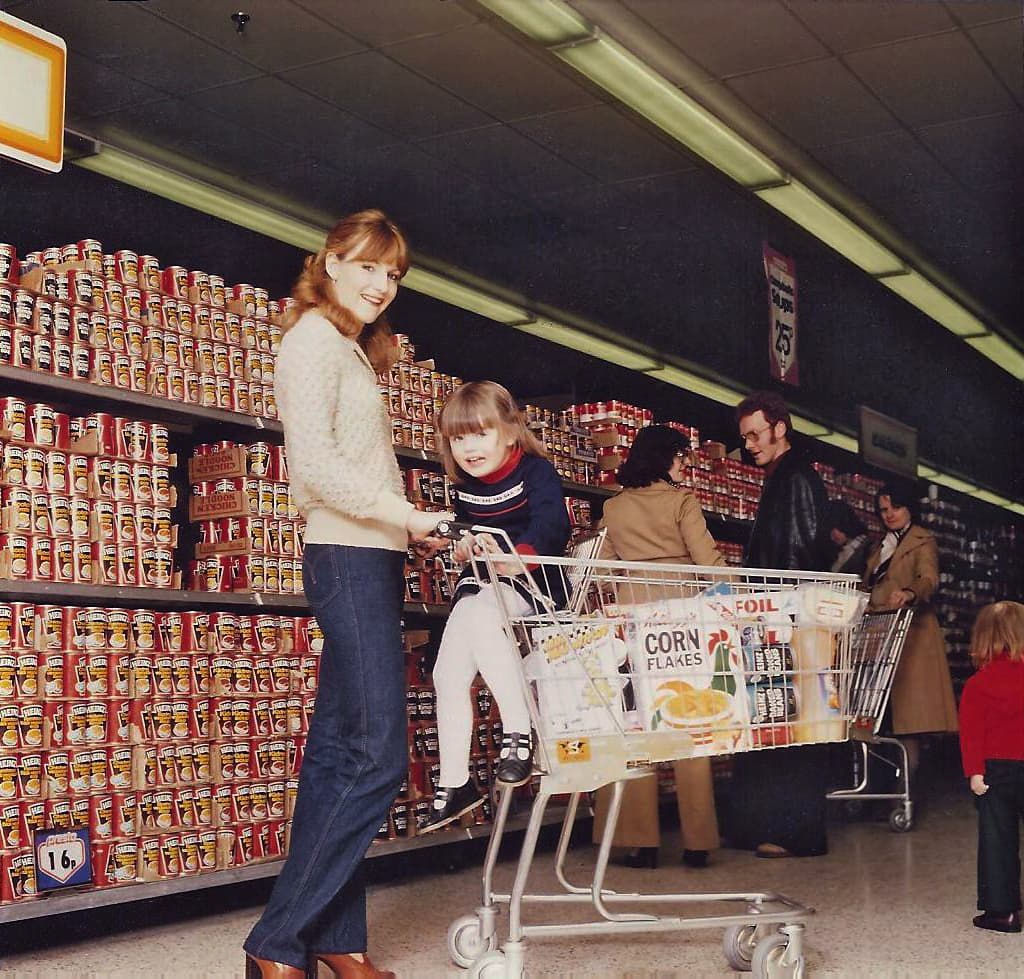
When spending growth looks modest, it’s tempting to read it as a warning sign. But for a lot of Americans, a quieter shopping month can simply mean people are getting more selective. Households still need groceries, school supplies, toiletries, and the occasional replacement for something that finally wore out. The difference is that shoppers are asking one extra question before checkout: do I need this right now?
That shift matters because it changes what counts as a “good” retail month. Big splurges may be easier to postpone, while practical categories keep moving. Stores that make life feel simpler, cheaper, or more predictable tend to win in this environment. Retailers that rely on impulse purchases or vague lifestyle upgrades may find that shoppers are harder to convince.
For readers, the lesson is less about fear and more about strategy. If consumers broadly are becoming choosier, that usually means promotions, bundles, and loyalty perks matter even more. It’s a decent moment to compare sizes, refill schedules, return policies, and store-brand quality instead of chasing every so-called deal. A restrained spending mood can actually work in your favor if it pushes retailers to compete harder for your cart.
There’s also something healthy about modest spending when it reflects intention rather than panic. A culture that treats every season like a must-shop event can make normal restraint look negative. In reality, buying fewer forgettable things and putting money toward essentials, repairs, and genuinely useful upgrades is often the smarter version of consumer confidence. Not flashy, but practical—and practical is underrated.
Photo: Debbie Mc via Wikimedia Commons (CC BY 2.0).

Related stories

Why a Spending Surge Doesn’t Mean Households Feel Rich
A strong month for consumer spending can sound like a victory lap, but many Americans know the difference between buying more and feeling financially comfortable. The real story is how households keep spending while staying cautious everywhere else.

What Empty Parking Lots Can Tell You About Shifting Spending Habits
Consumer confidence doesn’t always show up in headlines first. Sometimes the clearest clues are quieter: lighter shopping traffic, more selective purchases, and households stretching the life of what they already own.

Why Shoppers Keep Opening Their Wallets Even When Prices Still Sting
Americans are still spending, but that doesn’t mean household budgets feel comfortable. The real story is how people are getting more selective, stretching timing, and redefining what counts as a worthwhile purchase.