Why Checkout Lines Still Feel Busy Even When Hiring Feels Slow
A softer job market hasn’t automatically turned Americans into shut-ins or extreme penny-pinchers. Many households are still spending, just with more strategy, more trade-offs, and a sharper eye for what feels worth it.
A job market can feel uninspiring without looking like a full-blown crisis at the mall, the grocery store, or the airport. That’s because consumer spending isn’t driven only by confidence in some abstract economic headline. It’s driven by habits, delayed needs, family schedules, and the simple fact that people still have to eat, commute, replace worn-out shoes, and find small ways to make life feel manageable.
What does change in a lukewarm economy is how people spend. Shoppers get pickier. They hold onto big purchases a little longer, wait for promotions, switch to store brands in one aisle so they can keep a preferred brand in another, and justify experiences that feel emotionally useful. That can make spending look surprisingly resilient from the outside, even as households quietly recalculate every subscription, takeout order, and weekend plan.
There’s also a gap between "cutting back" and "stopping." Plenty of consumers aren’t in splurge mode, but they’re not in lockdown mode either. They’re still buying school supplies, birthday gifts, road-trip snacks, and the occasional dinner out because daily life keeps moving. For businesses, that means the real opportunity isn’t assuming people feel flush. It’s understanding that shoppers want value without feeling deprived.
The practical takeaway for readers is to watch your own spending for substitution, not just total dollars. If your budget feels tighter, the leak may be less about one dramatic purchase and more about the quiet swaps that make stress bearable: convenience foods, delivery fees, duplicate streaming services, or little "treat" spending that stacks up fast. A so-so labor market doesn’t always show up as empty stores. More often, it shows up as consumers becoming more selective, more promotional, and less patient with anything that doesn’t feel worth the money.
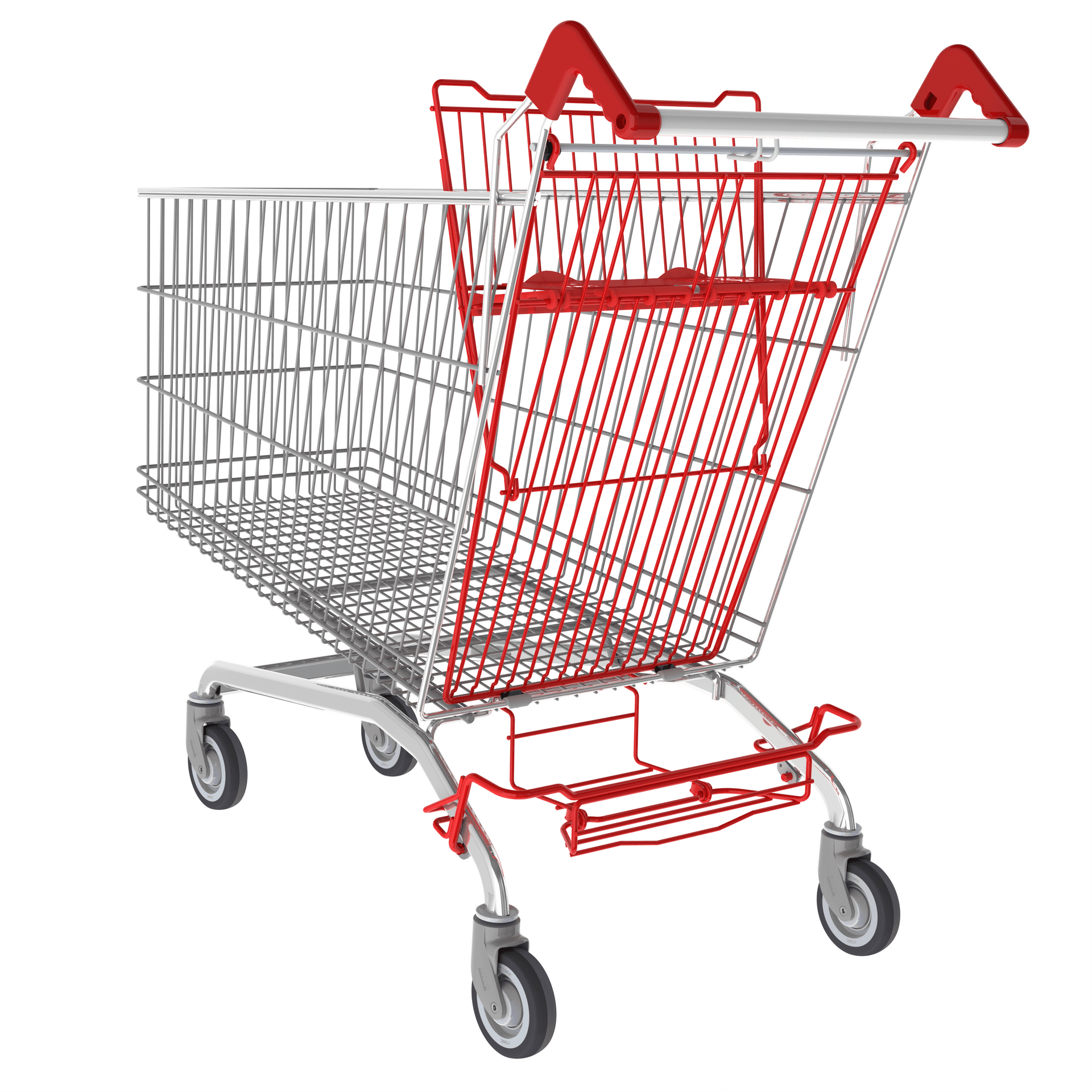
Photo: Caddiedrusenheim via Wikimedia Commons (CC BY-SA 4.0).

Related stories
Why a Spending Surge Doesn’t Mean Households Feel Rich
A strong month for consumer spending can sound like a victory lap, but many Americans know the difference between buying more and feeling financially comfortable. The real story is how households keep spending while staying cautious everywhere else.

What Empty Parking Lots Can Tell You About Shifting Spending Habits
Consumer confidence doesn’t always show up in headlines first. Sometimes the clearest clues are quieter: lighter shopping traffic, more selective purchases, and households stretching the life of what they already own.
Why Shoppers Keep Opening Their Wallets Even When Prices Still Sting
Americans are still spending, but that doesn’t mean household budgets feel comfortable. The real story is how people are getting more selective, stretching timing, and redefining what counts as a worthwhile purchase.