The Checkout Line Still Moves, Even When Hiring Feels Stuck
A soft job market doesn’t automatically send households into full retreat. For many Americans, spending has become less about splurging and more about protecting routine, convenience, and small comforts.
When hiring feels slow and office chatter turns cautious, it’s easy to assume people will slam the brakes on spending. But that’s not usually how real life works. Most households don’t switch from normal to austerity overnight. They keep paying for the parts of daily life that help everything else function, from groceries and gas to takeout on a long weeknight and the subscription they’re not ready to revisit yet.
There’s also a big difference between feeling uncertain and facing immediate financial trouble. A lot of consumers respond to a cloudy economy by editing around the edges rather than making dramatic cuts. They trade down instead of opting out, wait for a sale instead of abandoning the purchase, or justify a smaller treat because the larger goals feel out of reach anyway. That pattern can keep cash registers busy even when confidence sounds shaky.
For deal-minded shoppers, this is a useful reminder that spending resilience is not the same as financial comfort. Businesses may read steady demand as a sign that people are doing fine, but many families are really just getting more tactical. They’re mixing store brands with familiar favorites, stretching replacement cycles, and treating convenience as a necessity when time and stress are both in short supply.
The practical takeaway is to watch behavior, not mood. Consumers can be worried and still spend. The smarter question is where they refuse to cut, where they quietly downgrade, and which purchases now need to feel justified. In a middling job market, the winners are often the brands and retailers that understand this middle ground: not panic, not prosperity, just people trying to keep life running without paying more than they have to.
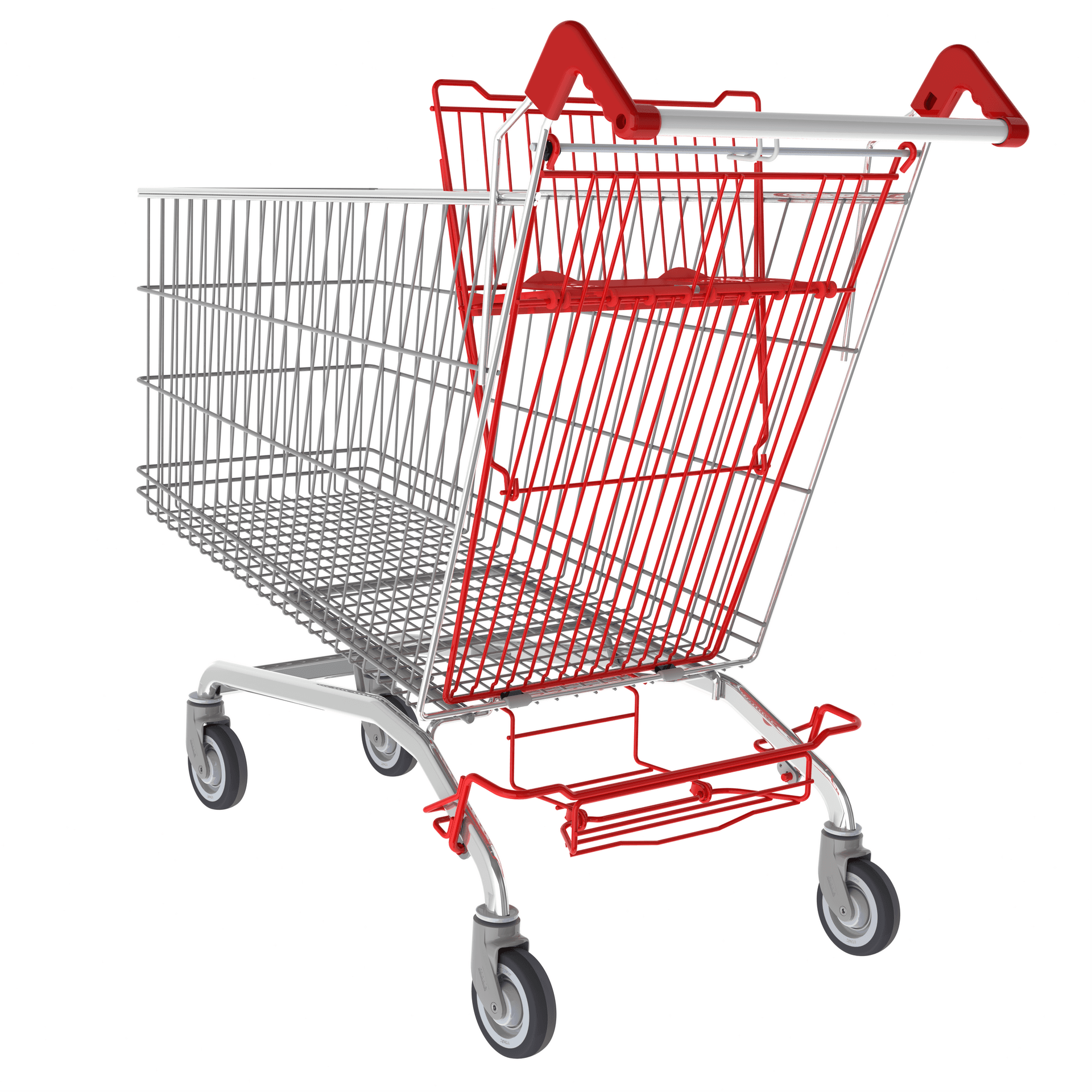
Photo: Caddiedrusenheim via Wikimedia Commons (CC BY-SA 4.0).

Related stories
Why a Spending Surge Doesn’t Mean Households Feel Rich
A strong month for consumer spending can sound like a victory lap, but many Americans know the difference between buying more and feeling financially comfortable. The real story is how households keep spending while staying cautious everywhere else.

What Empty Parking Lots Can Tell You About Shifting Spending Habits
Consumer confidence doesn’t always show up in headlines first. Sometimes the clearest clues are quieter: lighter shopping traffic, more selective purchases, and households stretching the life of what they already own.
Why Shoppers Keep Opening Their Wallets Even When Prices Still Sting
Americans are still spending, but that doesn’t mean household budgets feel comfortable. The real story is how people are getting more selective, stretching timing, and redefining what counts as a worthwhile purchase.