Why Digital Shelf Tags Could Finally Make Store Prices Feel Less Chaotic
Electronic shelf labels are spreading beyond early adopters, and that could be good news for shoppers who are tired of mismatched signs and register surprises. The real value isn't futuristic flair—it's faster updates, clearer pricing, and fewer small annoyances in the aisle.
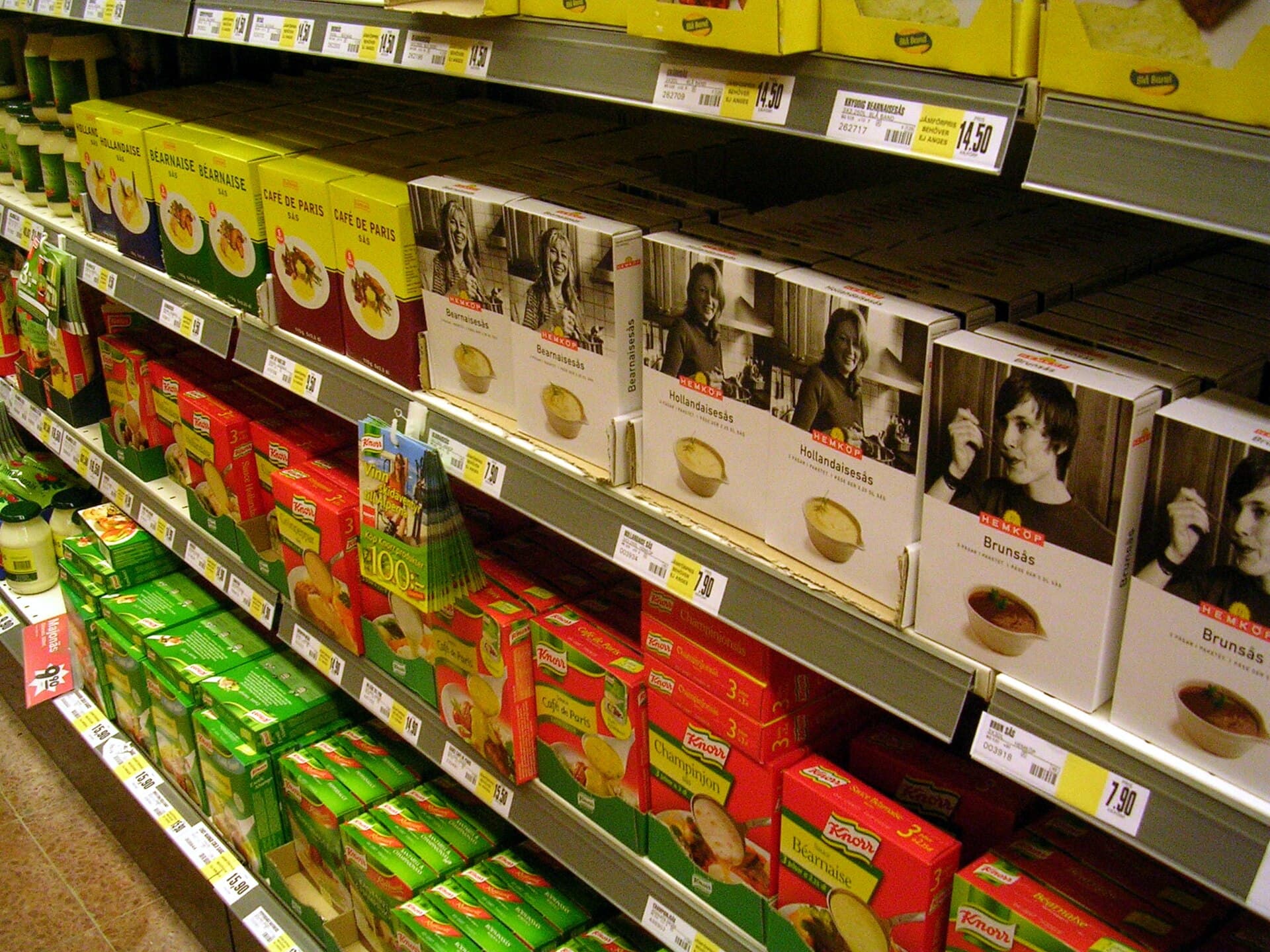
Most shoppers do not care what a store calls its pricing system. They care whether the shelf says one thing and the checkout says another. That is why the quiet spread of digital shelf tags matters more than it sounds. If retailers update prices and promos instantly, shoppers have a better chance of seeing the right number at the right moment instead of playing detective with paper signs and faded stickers.
In practical terms, this technology makes the most sense in stores where products change often, sales rotate quickly, or staff would otherwise spend hours replacing tiny labels by hand. Grocery is an obvious fit, but consumer electronics may be just as interesting. Specs, model names, financing offers, and bundle promotions can get confusing fast, so a cleaner digital display could save people from the usual aisle-side guesswork.
That does not mean shoppers should cheer every screen in every store. The best version of digital pricing is boring in a good way: accurate, readable, and easy to compare. The worst version is a flashy little billboard that changes too often or buries the important details. If stores adopt these labels, they should use them to reduce friction, not to turn shelves into one more attention trap.
For US shoppers, the bigger takeaway is simple: expect more retailers to modernize the humble price tag before they do anything truly futuristic. That may not sound exciting, but it could fix one of the oldest shopping irritations. If digital shelf labels lead to fewer pricing disputes, clearer markdowns, and less waiting around for an employee to confirm a sale, that is a tech upgrade most people will actually notice.
Photo: Väsk via Wikimedia Commons (CC BY-SA 3.0).

Related stories
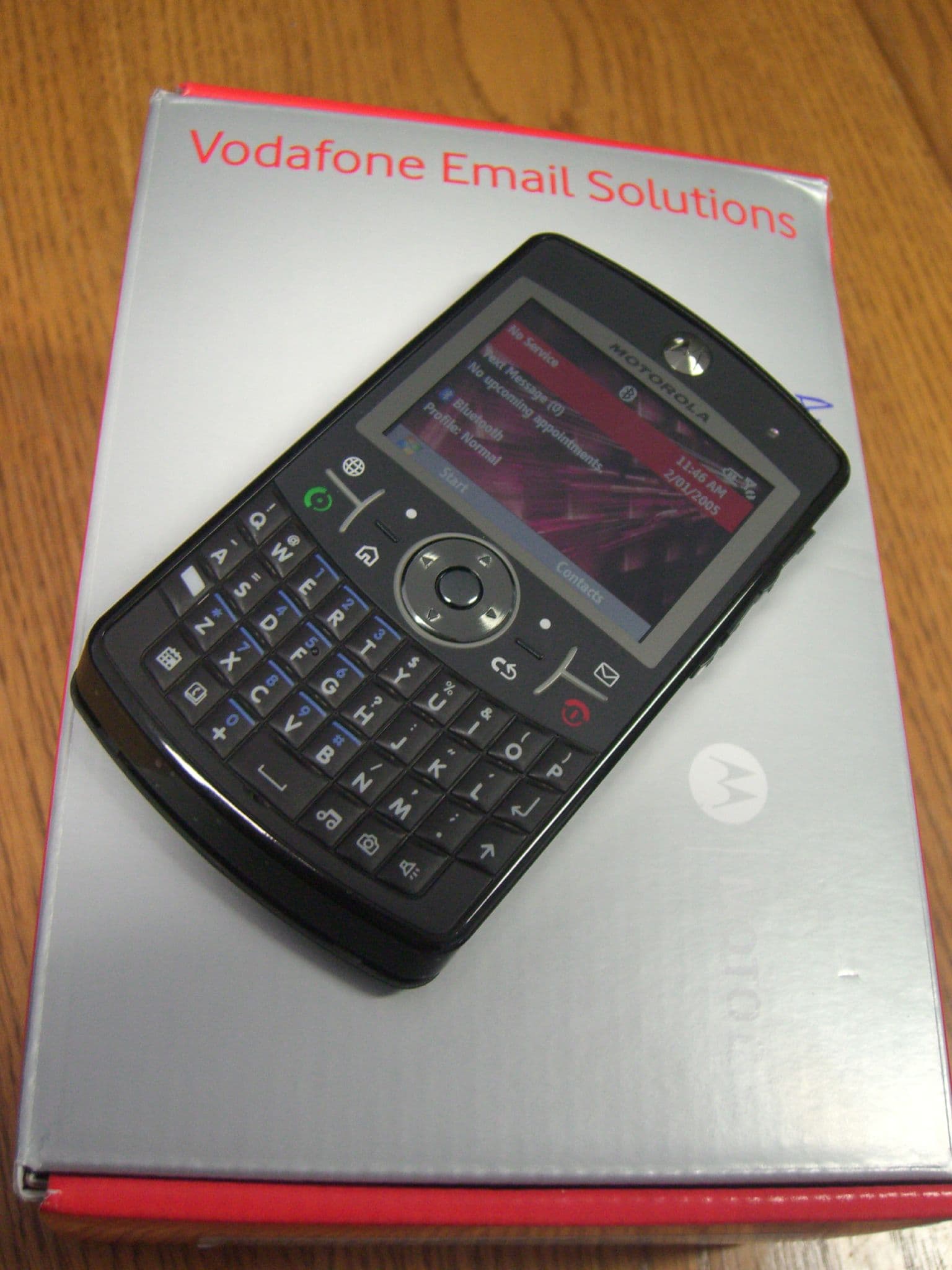
The Smartest Way to Shop New Tech Right Now
The newest gadget drop is always tempting, but the best buy is often the device that solves one daily annoyance without adding three new ones. For US shoppers, this is a good moment to focus on comfort, compatibility, and how long a product will still feel useful after the hype fades.

Why Chip Revenue Swings Matter to Everyday Tech Shoppers
Wall Street watches chip-company revenue for clues about the future, but regular consumers can read the same signals in a more practical way. When memory and mobile-chip demand shifts, it often shows up later in laptop deals, phone upgrades, and the timing of big tech purchases.
Why AI Money News Matters to Regular Tech Shoppers
Big funding rounds and IPO chatter can feel distant, but they often shape the apps, devices, and subscriptions Americans use every day. The real question is whether the next wave of AI competition brings better tools or just higher monthly bills.