The Gadget Upgrade Worth Watching Isn’t a New Feature
For shoppers, the most interesting tech upgrade may be the one that cuts waste before you even turn the device on. Packaging, accessories, and repair choices say a lot about whether a brand is serious about using less new plastic.

Most people shop for phones, headphones, and laptops by comparing cameras, battery life, and screen size. But there’s another part of the purchase that deserves more attention: how much brand-new plastic comes wrapped around the product before you even use it. If a company can slim down trays, bags, and protective inserts, that’s one of the clearest signs it’s thinking beyond marketing copy.
paragraphs like this matter because packaging is where shoppers can actually see the difference. Recycled paper inserts, smaller boxes, and fewer unnecessary accessories are easy to notice at home, and they usually make unboxing less annoying too. A cleaner package can also mean lower shipping volume and less trash heading straight to the bin the same day you open it.
That said, eco-friendly packaging alone shouldn’t earn a brand a halo. If a device is hard to repair, impossible to upgrade, or designed to be replaced in two years, less plastic in the box only solves part of the problem. The better question for buyers is whether the company is reducing waste across the full experience, from packaging to trade-ins to spare parts.
For US shoppers, this is a practical place to be a little pickier. When two products are otherwise close, the one with less virgin plastic, less packaging clutter, and a longer useful life is usually the smarter buy. Tech doesn’t need to feel disposable, and brands are more likely to clean up their act when customers treat waste reduction as a real feature, not a side note.
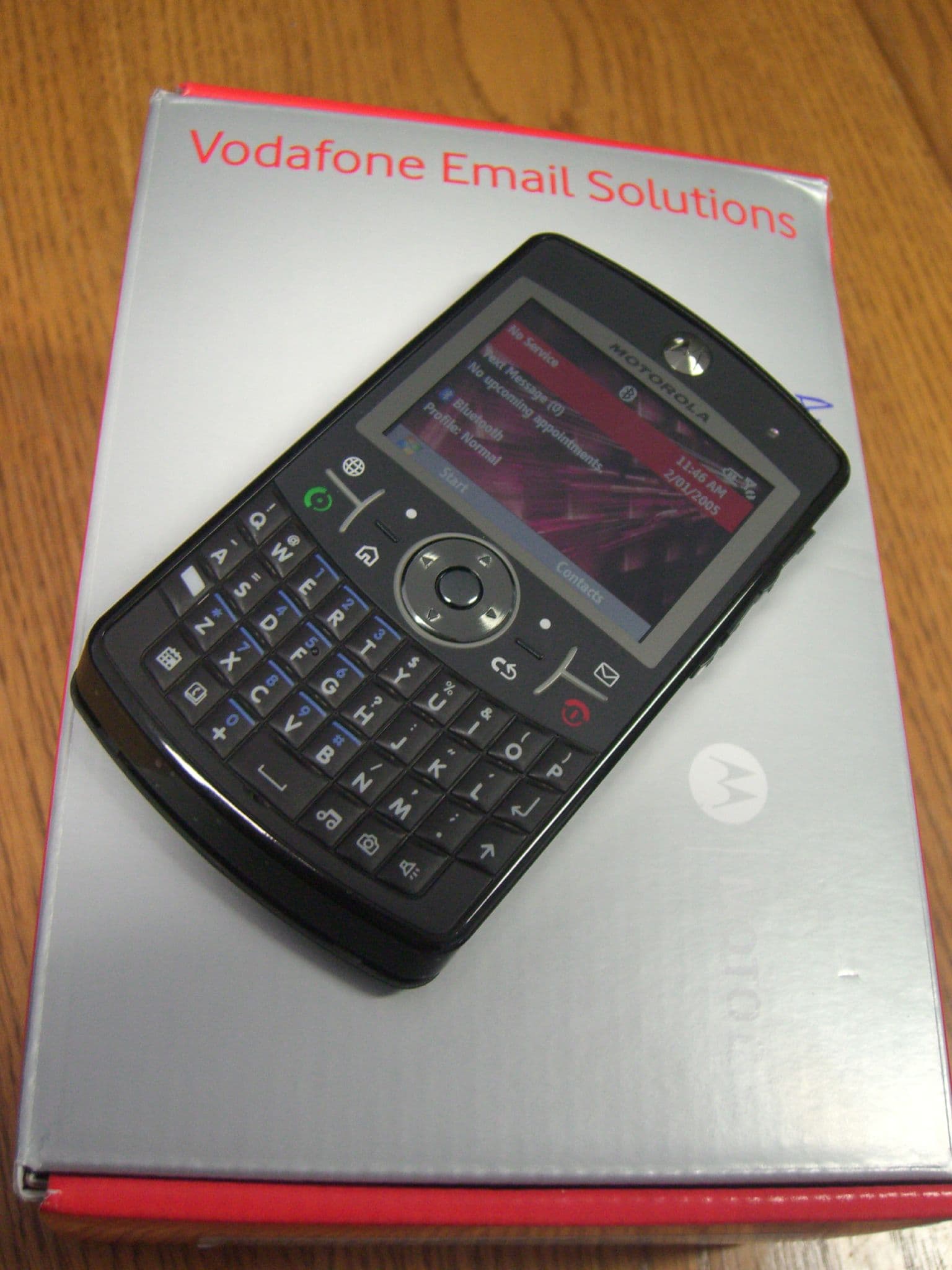
Photo: The original uploader was Snow storm in Eastern Asia at English Wikipedia. via Wikimedia Commons (CC BY 3.0).

Related stories
The Smartest Way to Shop New Tech Right Now
The newest gadget drop is always tempting, but the best buy is often the device that solves one daily annoyance without adding three new ones. For US shoppers, this is a good moment to focus on comfort, compatibility, and how long a product will still feel useful after the hype fades.

Why Chip Revenue Swings Matter to Everyday Tech Shoppers
Wall Street watches chip-company revenue for clues about the future, but regular consumers can read the same signals in a more practical way. When memory and mobile-chip demand shifts, it often shows up later in laptop deals, phone upgrades, and the timing of big tech purchases.

Why AI Money News Matters to Regular Tech Shoppers
Big funding rounds and IPO chatter can feel distant, but they often shape the apps, devices, and subscriptions Americans use every day. The real question is whether the next wave of AI competition brings better tools or just higher monthly bills.