Why Main Street Can Feel Busy Even When Shoppers Show Up Less
Many Americans are making fewer shopping runs but spending more each time, a pattern that can help some small businesses while making planning tougher for others. For shoppers and owners alike, the real story is how habits are changing around convenience, budgeting, and value.
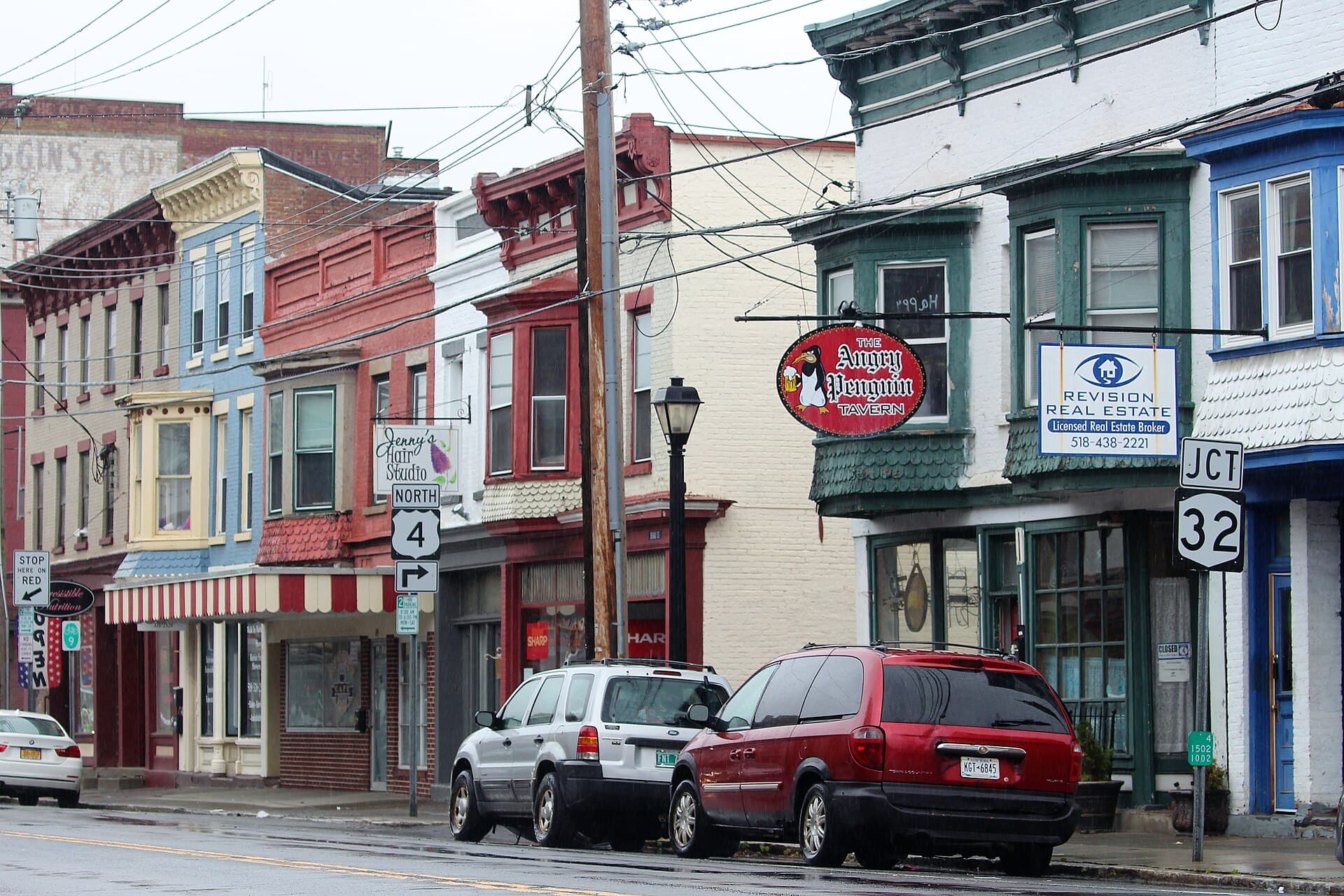
A small business can have a solid sales month and still feel a little uneasy if foot traffic is thinning out. That’s because fewer customer visits can make a neighborhood shop look quieter even when the register total holds up. For many owners, that creates a strange new reality: the business may be growing on paper while day-to-day demand feels less predictable.
This kind of spending pattern makes sense for households that are trying to save time, gas, and mental energy. Instead of dropping in three times a week, people are more likely to combine errands and make one bigger purchase. The upside for shoppers is efficiency. The downside is that each visit matters more, so a store that is out of stock, understaffed, or just inconvenient can lose a sale that might not come back for days.
For small businesses, this raises the value of the basics that used to sound boring: clear inventory, fast checkout, easy reordering, and a strong case for why a customer should buy now instead of later. Shops that make repeat buying effortless are better positioned than those that rely on casual browsing alone. In a fewer-trips economy, convenience is not a bonus feature; it is part of the product.
For readers, this is also a useful reminder to look past crowd size as a signal of whether a local business is doing well. A packed parking lot and a healthy business are not always the same thing anymore. Consumer habits are getting more deliberate, and the small businesses that adapt to that rhythm, by making each visit count, are the ones most likely to stay resilient.
Photo: Tyler A. McNeil via Wikimedia Commons (CC BY-SA 4.0).

Related stories
Why a Spending Surge Doesn’t Mean Households Feel Rich
A strong month for consumer spending can sound like a victory lap, but many Americans know the difference between buying more and feeling financially comfortable. The real story is how households keep spending while staying cautious everywhere else.

What Empty Parking Lots Can Tell You About Shifting Spending Habits
Consumer confidence doesn’t always show up in headlines first. Sometimes the clearest clues are quieter: lighter shopping traffic, more selective purchases, and households stretching the life of what they already own.
Why Shoppers Keep Opening Their Wallets Even When Prices Still Sting
Americans are still spending, but that doesn’t mean household budgets feel comfortable. The real story is how people are getting more selective, stretching timing, and redefining what counts as a worthwhile purchase.