The New Frugal Isn’t Cheap — It’s Just More Selective
As everyday costs stay stubborn, more households are editing their spending instead of giving up on comfort altogether. The real shift is becoming choosier about what still feels worth paying for.
There’s a difference between panic cutting and smart trimming, and a lot of Americans seem to be moving into the second category. When prices stay high long enough, people stop treating every purchase the same. They keep the things that make daily life easier, calmer, or more reliable, and start questioning the habits that only survive because they were automatic.
That shows up in ordinary places: fewer impulse grocery add-ons, more store brands in the pantry, less casual takeout, and a little more waiting before replacing something that still works. It’s not always dramatic. Often it looks like editing. The small conveniences that once felt harmless now have to clear a higher bar, while bigger quality-of-life expenses can still make the cut if they genuinely save time or stress.
The practical lesson is that value matters more than image in this kind of economy. A household budget gets stronger when people stop asking, “Can I technically afford this?” and start asking, “Would I buy this again next week at the same price?” That question has a way of exposing subscriptions nobody uses, premium upgrades nobody notices, and brand loyalties that don’t deliver much back.
This moment may end up changing shopping habits even after inflation cools. Once people learn where they can downgrade without caring, or where spending a little more actually prevents waste, those habits tend to stick. The result isn’t joyless austerity. It’s a more selective kind of spending, where being careful doesn’t mean saying no to everything — it means getting harder to impress.
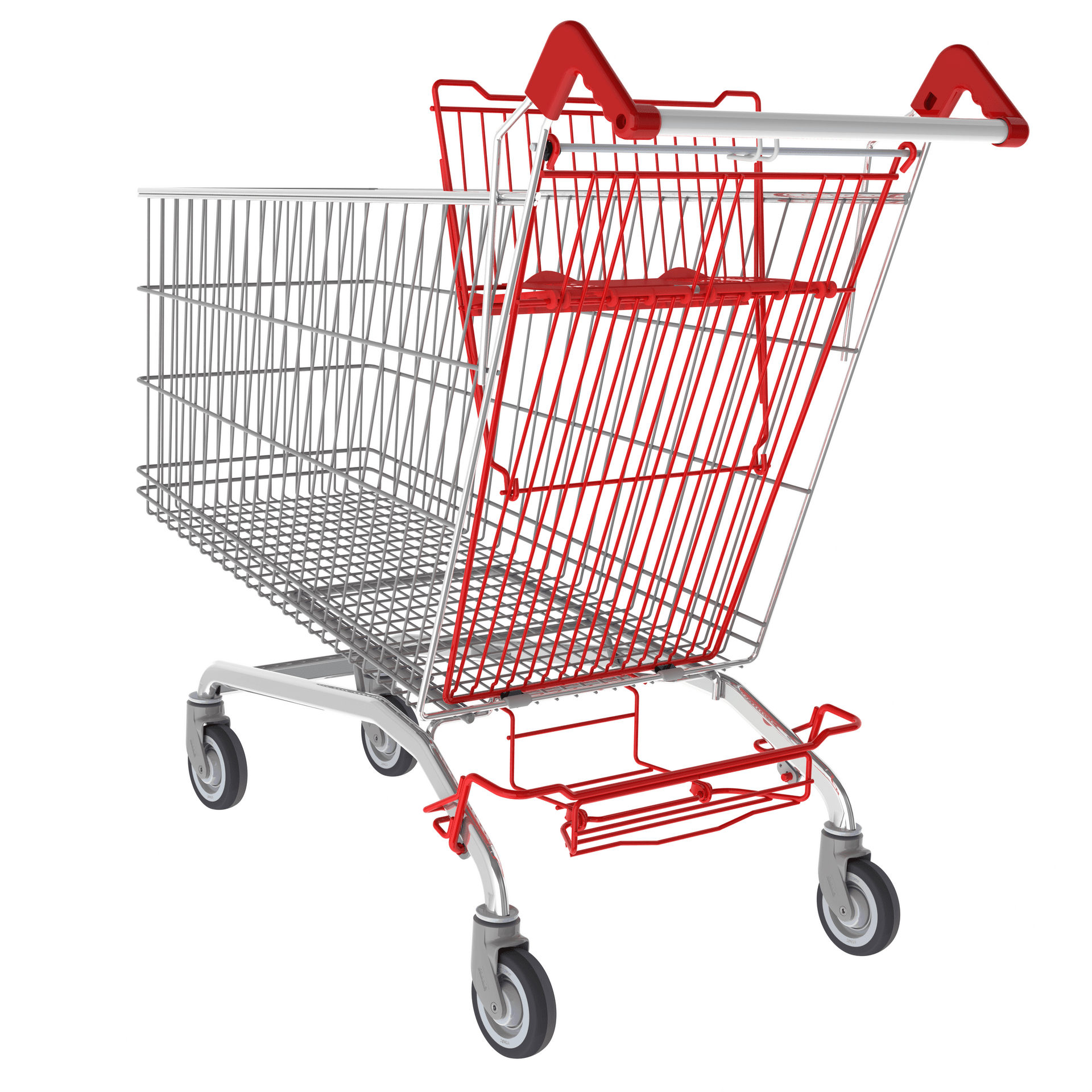
Photo: Caddiedrusenheim via Wikimedia Commons (CC BY-SA 4.0).

Related stories
Why a Spending Surge Doesn’t Mean Households Feel Rich
A strong month for consumer spending can sound like a victory lap, but many Americans know the difference between buying more and feeling financially comfortable. The real story is how households keep spending while staying cautious everywhere else.

What Empty Parking Lots Can Tell You About Shifting Spending Habits
Consumer confidence doesn’t always show up in headlines first. Sometimes the clearest clues are quieter: lighter shopping traffic, more selective purchases, and households stretching the life of what they already own.
Why Shoppers Keep Opening Their Wallets Even When Prices Still Sting
Americans are still spending, but that doesn’t mean household budgets feel comfortable. The real story is how people are getting more selective, stretching timing, and redefining what counts as a worthwhile purchase.