When a New Legal Market Opens, the Real Test Is Convenience
Big opening-month numbers can sound impressive, but what matters to shoppers is whether a legal market feels easier, safer, and more predictable than the alternatives. In any newly regulated category, convenience usually decides who wins.
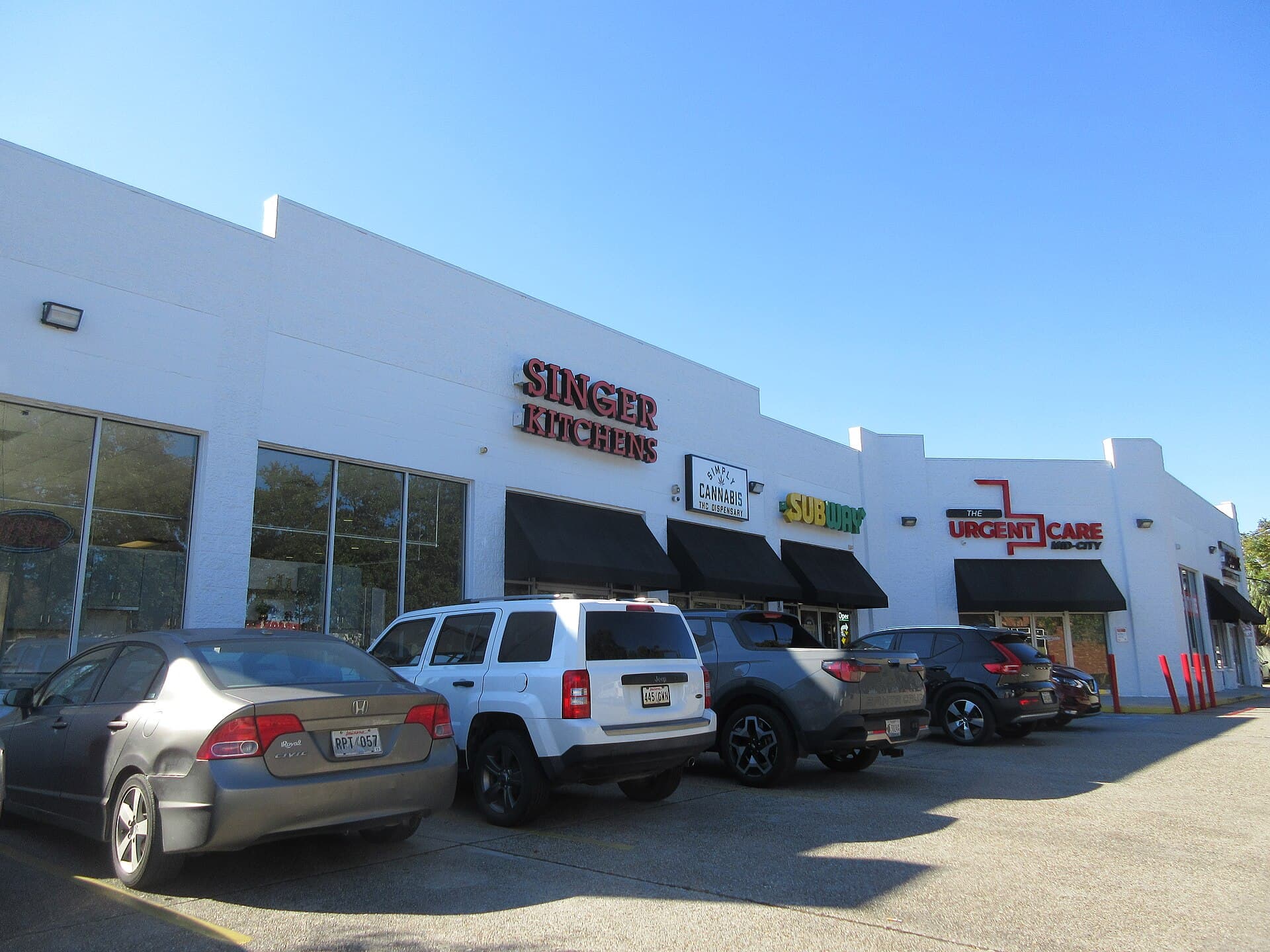
Record sales always make for a splashy headline, but consumers usually judge a new legal market by something much simpler: Is it easy to use? If stores are limited, locations are inconvenient, or the buying process feels confusing, plenty of would-be customers will keep waiting. Legal access is not just about flipping a switch; it has to feel practical in everyday life.
For shoppers, the early months of any regulated rollout are often less about enthusiasm and more about friction. People want clear rules, reasonable travel times, consistent hours, and products that are actually in stock. If any of those basics are missing, strong public interest does not automatically turn into repeat purchases. The lesson for business watchers is that demand can be real even when the system serving it is still catching up.
That is why policymakers and retailers should be careful about treating launch-period sales as the whole story. A market can post a monthly high and still reveal bottlenecks at the same time. In retail, convenience is a form of pricing power: when the legal option saves time and removes uncertainty, more customers are willing to make it their default choice.
For readers, this is a useful reminder whenever a state opens a newly legal category. Don’t just watch the top-line sales figure. Watch how fast the customer experience improves. The businesses that succeed are usually not the ones with the flashiest debut, but the ones that make regulated shopping feel ordinary, reliable, and worth the trip.
Photo: Infrogmation via Wikimedia Commons (CC BY-SA 4.0).

Related stories
Why a Spending Surge Doesn’t Mean Households Feel Rich
A strong month for consumer spending can sound like a victory lap, but many Americans know the difference between buying more and feeling financially comfortable. The real story is how households keep spending while staying cautious everywhere else.

What Empty Parking Lots Can Tell You About Shifting Spending Habits
Consumer confidence doesn’t always show up in headlines first. Sometimes the clearest clues are quieter: lighter shopping traffic, more selective purchases, and households stretching the life of what they already own.
Why Shoppers Keep Opening Their Wallets Even When Prices Still Sting
Americans are still spending, but that doesn’t mean household budgets feel comfortable. The real story is how people are getting more selective, stretching timing, and redefining what counts as a worthwhile purchase.