The New Shopping Mood Is Less Impulse, More Proof
When shoppers feel uneasy, they stop rewarding vague value and start demanding obvious usefulness. That shift matters for anyone trying to stretch a paycheck or run a business that depends on discretionary spending.
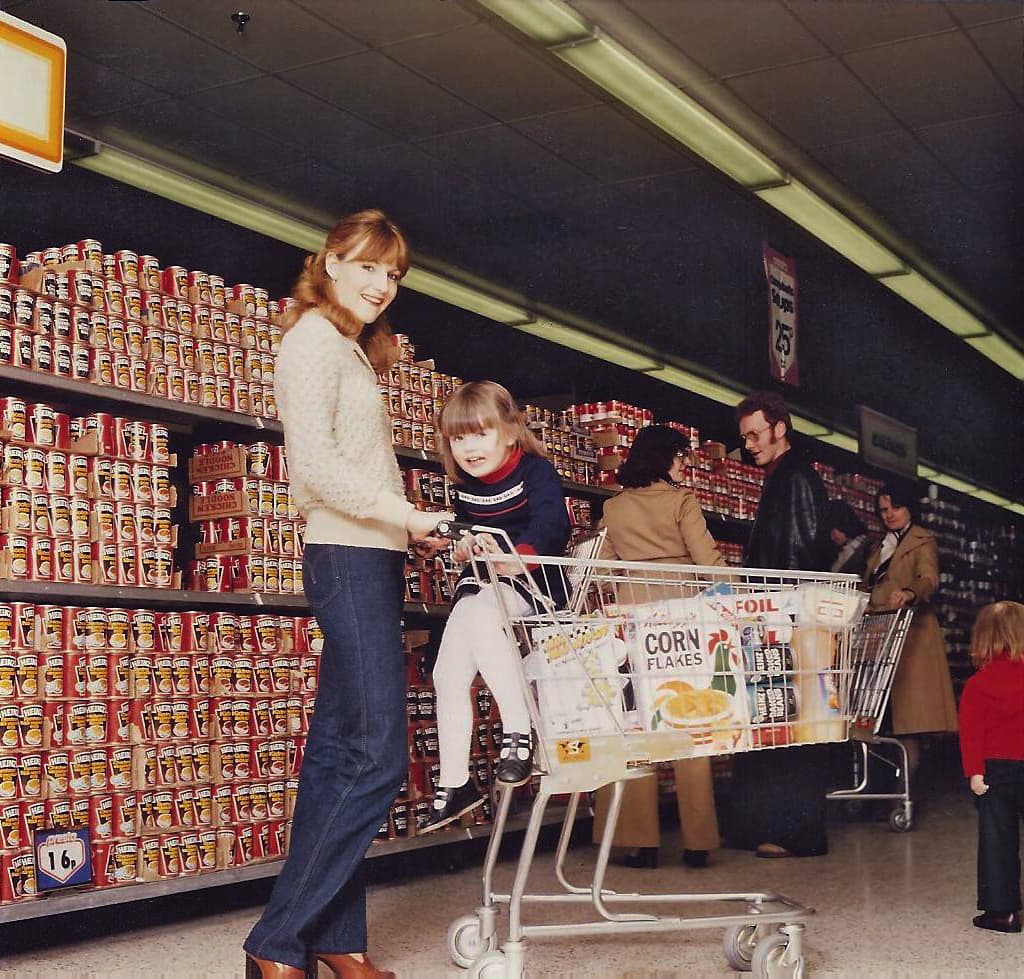
A pullback in retail spending is easy to read as bad news, but it also says something practical about how households are thinking right now: people are getting harder to impress. The old mix of convenience, hype, and minor indulgences works less well when bills feel stubborn and financial breathing room feels smaller. Shoppers are still buying, just with a stricter standard for what counts as worth it.
For consumers, that mood can be useful if it turns into a better filter instead of pure anxiety. The smartest habit in a cautious moment is to separate purchases into replacement, routine, and temptation. If something genuinely needs replacing, buy for durability and total use, not for the thrill of a markdown. If it is routine, look for store brands, refill options, and less frequent shopping trips that cut down on random add-ons. If it is temptation, waiting even a day often reveals whether the item was solving a problem or just offering a brief mood lift.
For retailers, the lesson is equally blunt: shoppers do not want to decode value anymore. They want clear pricing, obvious quality, sensible return policies, and products that earn their space in a budget. Businesses that rely on constant nudges and faux urgency may find that consumers are simply too tired to play along. In a tighter spending climate, trust becomes more important than trendiness.
This kind of slowdown can feel gloomy, but it may also reset expectations in a healthy way. Consumers become more deliberate, and companies have to work harder to justify every purchase. That is not anti-shopping; it is anti-waste. For plenty of households, spending less is not a retreat from normal life so much as a demand that every dollar do an actual job.
Photo: Debbie Mc via Wikimedia Commons (CC BY 2.0).

Related stories

Why a Spending Surge Doesn’t Mean Households Feel Rich
A strong month for consumer spending can sound like a victory lap, but many Americans know the difference between buying more and feeling financially comfortable. The real story is how households keep spending while staying cautious everywhere else.

What Empty Parking Lots Can Tell You About Shifting Spending Habits
Consumer confidence doesn’t always show up in headlines first. Sometimes the clearest clues are quieter: lighter shopping traffic, more selective purchases, and households stretching the life of what they already own.

Why Shoppers Keep Opening Their Wallets Even When Prices Still Sting
Americans are still spending, but that doesn’t mean household budgets feel comfortable. The real story is how people are getting more selective, stretching timing, and redefining what counts as a worthwhile purchase.