The New Shopping Mood Is Pause Before Purchase
When shoppers pull back, it usually means households are getting more selective, not that buying stops altogether. This is the moment to separate convenience spending from purchases that actually improve daily life.
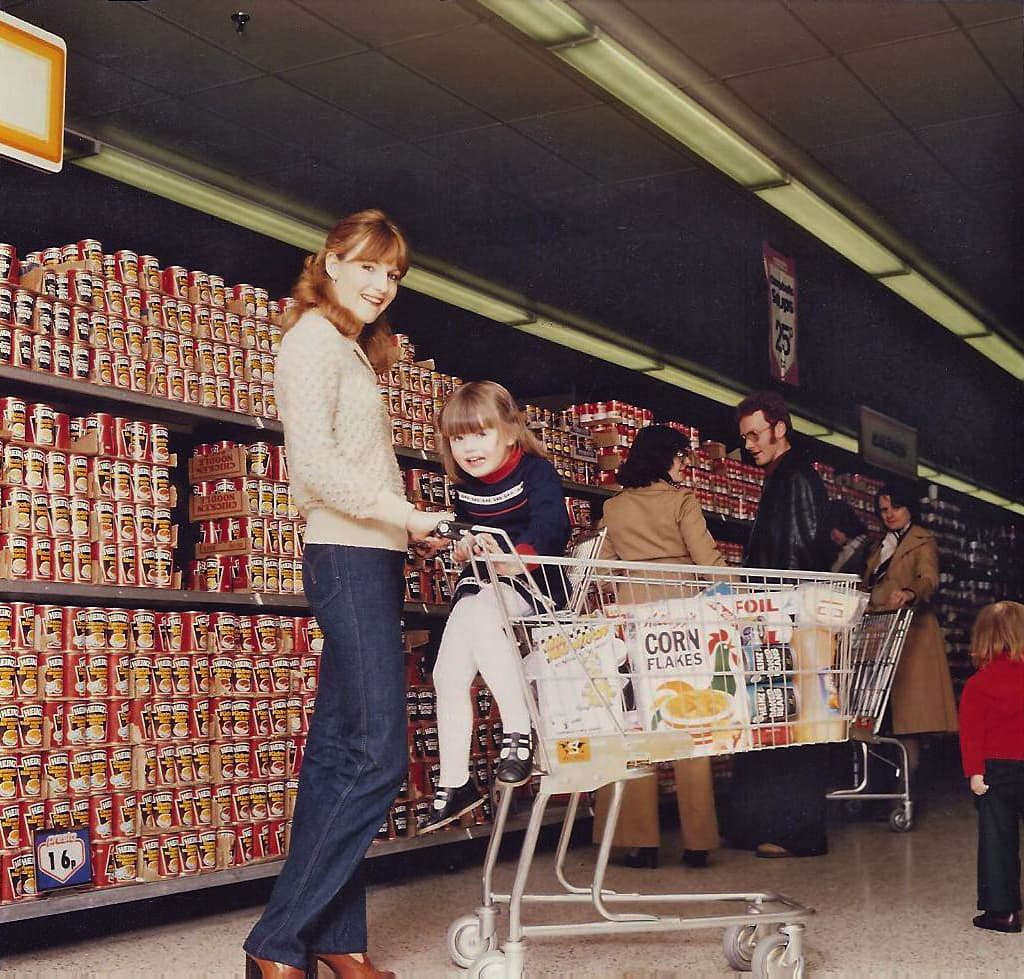
A softer month for retail is less about people giving up on spending and more about people second-guessing it. When budgets feel tighter, the casual add-on purchase starts to look optional, and even routine errands get a second pass. That shift matters because it tells you where the real pressure is showing up first: small habits, impulse buys, and upgrades that no longer feel urgent.
For households, this is usually a useful correction before it becomes a crisis. A lot of spending sneaks in through speed and convenience, not genuine need. If consumers are slowing down, that can be a smart response to higher bills elsewhere. Waiting 24 hours before placing an order, combining errands, or sticking to a replacement-only rule for certain categories can cut waste without making life feel smaller.
For stores and brands, the message is blunt: people still want value, but they are less willing to pay for vague lifestyle marketing. The businesses that win in this mood are the ones that make the purchase feel practical, durable, and easy to justify. Clear pricing, fewer gimmicks, and products that solve a real problem look a lot better than endless 'treat yourself' framing when shoppers are already doing mental math in the checkout line.
The silver lining is that more selective spending can lead to better buying. Consumers do not need to stop shopping; they need to shop with more intention. In a pullback, the best deals are not always the lowest prices. They are the purchases you would still feel good about next month, after the buzz of the buy is gone.
Photo: Debbie Mc via Wikimedia Commons (CC BY 2.0).

Related stories
Why a Spending Surge Doesn’t Mean Households Feel Rich
A strong month for consumer spending can sound like a victory lap, but many Americans know the difference between buying more and feeling financially comfortable. The real story is how households keep spending while staying cautious everywhere else.

What Empty Parking Lots Can Tell You About Shifting Spending Habits
Consumer confidence doesn’t always show up in headlines first. Sometimes the clearest clues are quieter: lighter shopping traffic, more selective purchases, and households stretching the life of what they already own.
Why Shoppers Keep Opening Their Wallets Even When Prices Still Sting
Americans are still spending, but that doesn’t mean household budgets feel comfortable. The real story is how people are getting more selective, stretching timing, and redefining what counts as a worthwhile purchase.