The Next Tech Race Will Show Up in Everyday Gear
When Washington puts more attention on AI, orbit, and the ocean floor, the effects won’t stay inside labs and defense budgets. US consumers will likely feel it through better sensors, tougher communications gear, and a new wave of practical tech that starts expensive and slowly becomes ordinary.

Big national technology priorities can sound abstract, but they usually end up changing what people buy, use, and expect. When more money and attention flow toward artificial intelligence, space systems, and undersea tools, the first visible shift for most Americans won’t be sci-fi gadgets. It will be more capable cameras, stronger mapping tools, smarter battery management, and communication hardware that works in places where regular service is weak or unreliable.
AI is the easiest part to spot because it already lives inside phones, laptops, cars, and customer service systems. The practical question for consumers is not whether AI is arriving, but which versions are actually useful. The most valuable improvements are likely to be the boring ones: software that spots maintenance issues earlier, navigation that handles disruptions better, and devices that can process more information without constantly sending everything to the cloud.
Space and undersea investment may sound even farther removed from daily life, but both areas connect directly to how modern life works. Satellites support navigation, weather forecasting, logistics, and internet access, while undersea infrastructure quietly carries enormous amounts of global data. If those systems become a bigger priority, Americans may eventually see more interest in backup connectivity, resilient networks, and equipment designed to keep working during outages, storms, or crowded network conditions.
The consumer takeaway is simple: pay attention to technologies that promise durability, offline capability, and real-world reliability, not just flashy demos. The next wave of trickle-down innovation will probably reward products that can sense more, endure more, and stay useful when conditions are messy. That is a more grounded future than the marketing hype suggests, and for most households, it is also the kind of technology that is easiest to justify.
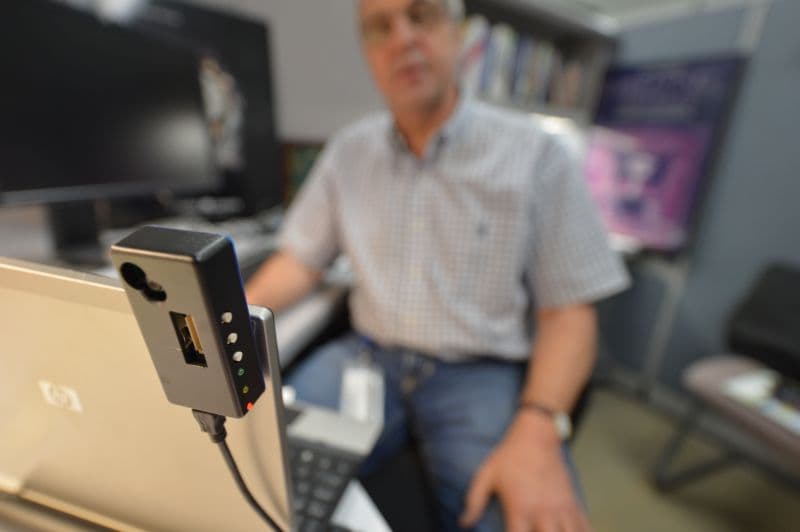
Photo: NASA/Tom Tschida via Wikimedia Commons (Public domain).

Related stories
The Smartest Way to Shop New Tech Right Now
The newest gadget drop is always tempting, but the best buy is often the device that solves one daily annoyance without adding three new ones. For US shoppers, this is a good moment to focus on comfort, compatibility, and how long a product will still feel useful after the hype fades.

Why Chip Revenue Swings Matter to Everyday Tech Shoppers
Wall Street watches chip-company revenue for clues about the future, but regular consumers can read the same signals in a more practical way. When memory and mobile-chip demand shifts, it often shows up later in laptop deals, phone upgrades, and the timing of big tech purchases.
Why AI Money News Matters to Regular Tech Shoppers
Big funding rounds and IPO chatter can feel distant, but they often shape the apps, devices, and subscriptions Americans use every day. The real question is whether the next wave of AI competition brings better tools or just higher monthly bills.