Why the One-Big-Trip Shopper Is Reshaping Main Street
Americans are still spending, but many are doing it with fewer errands and more intentional carts. That shift matters for small businesses trying to win a customer before the next long gap between visits.
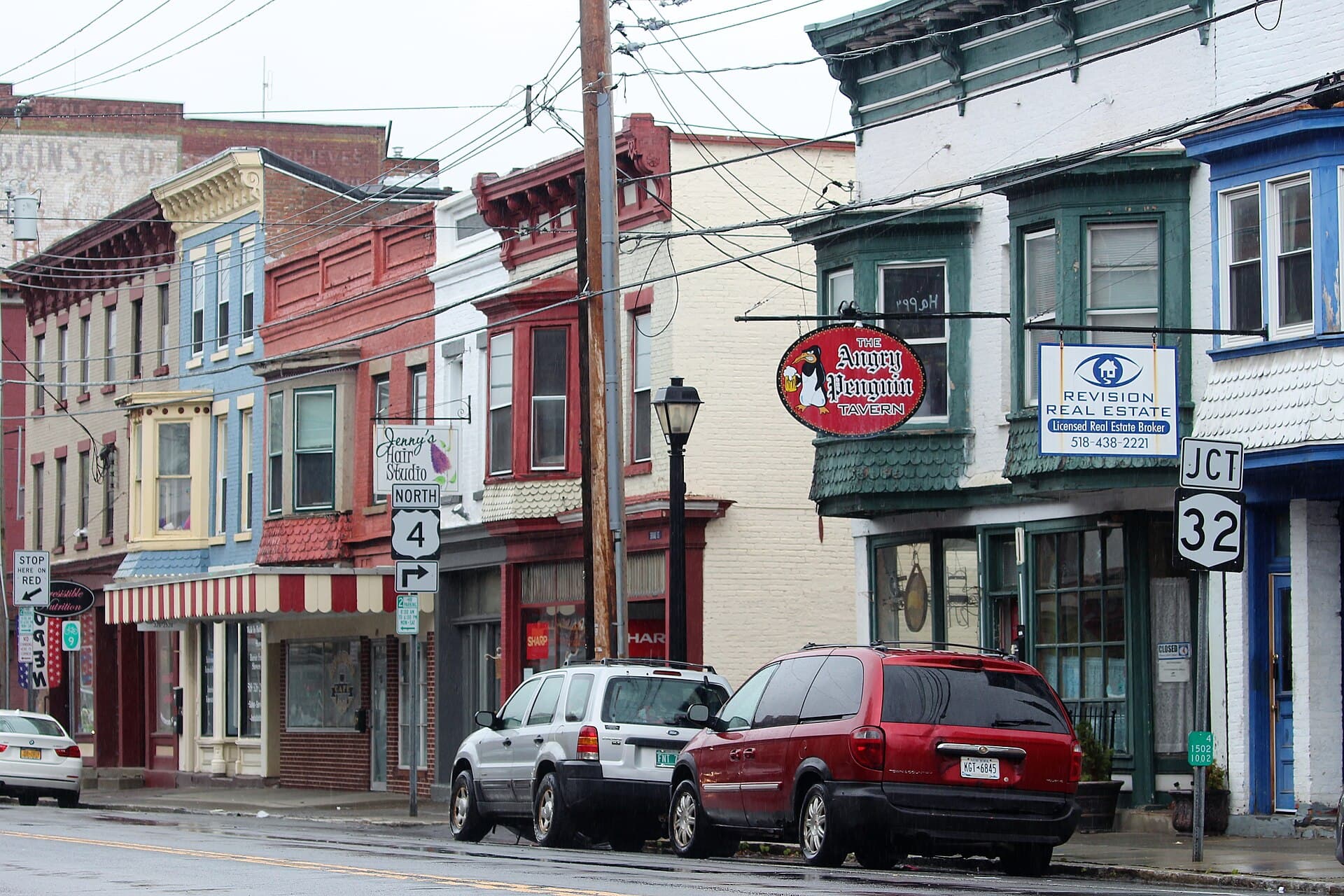
A lot of small-business owners don’t just need customers to spend money — they need them to show up regularly. When shoppers start combining errands, delaying purchases, and making fewer but larger trips, that changes the rhythm of local commerce. The neighborhood shop that once counted on casual stop-ins now has to make a stronger case every single visit.
For consumers, this pattern can feel practical rather than gloomy. Fewer trips can mean less impulse buying, better planning, and tighter control over gas, time, and household budgets. But it also means the businesses that win are often the ones that make shopping feel efficient: clear inventory, reliable hours, quick service, and products that solve more than one need at once.
That’s why convenience is no longer just a big-box advantage. A small retailer, café, salon, or service business can compete by reducing friction. If a customer is only going out occasionally, they are more likely to choose the place that lets them get exactly what they need without uncertainty. Being memorable helps, but being dependable may matter even more right now.
The practical takeaway is simple: fewer visits make every visit more important. For shoppers, that can be a smart way to spend with intention. For small businesses, it’s a reminder that loyalty is no longer built on habit alone — it’s built on earning a spot in someone’s carefully planned day.
Photo: Tyler A. McNeil via Wikimedia Commons (CC BY-SA 4.0).

Related stories
Why a Spending Surge Doesn’t Mean Households Feel Rich
A strong month for consumer spending can sound like a victory lap, but many Americans know the difference between buying more and feeling financially comfortable. The real story is how households keep spending while staying cautious everywhere else.

What Empty Parking Lots Can Tell You About Shifting Spending Habits
Consumer confidence doesn’t always show up in headlines first. Sometimes the clearest clues are quieter: lighter shopping traffic, more selective purchases, and households stretching the life of what they already own.
Why Shoppers Keep Opening Their Wallets Even When Prices Still Sting
Americans are still spending, but that doesn’t mean household budgets feel comfortable. The real story is how people are getting more selective, stretching timing, and redefining what counts as a worthwhile purchase.