Why Pantry Staples Are Quietly Becoming Budget Decisions
When a familiar food company talks about raising prices and trimming costs at the same time, shoppers should expect more pressure in the grocery aisle. The real takeaway is that even basic pantry items now deserve a closer look before they land in the cart.
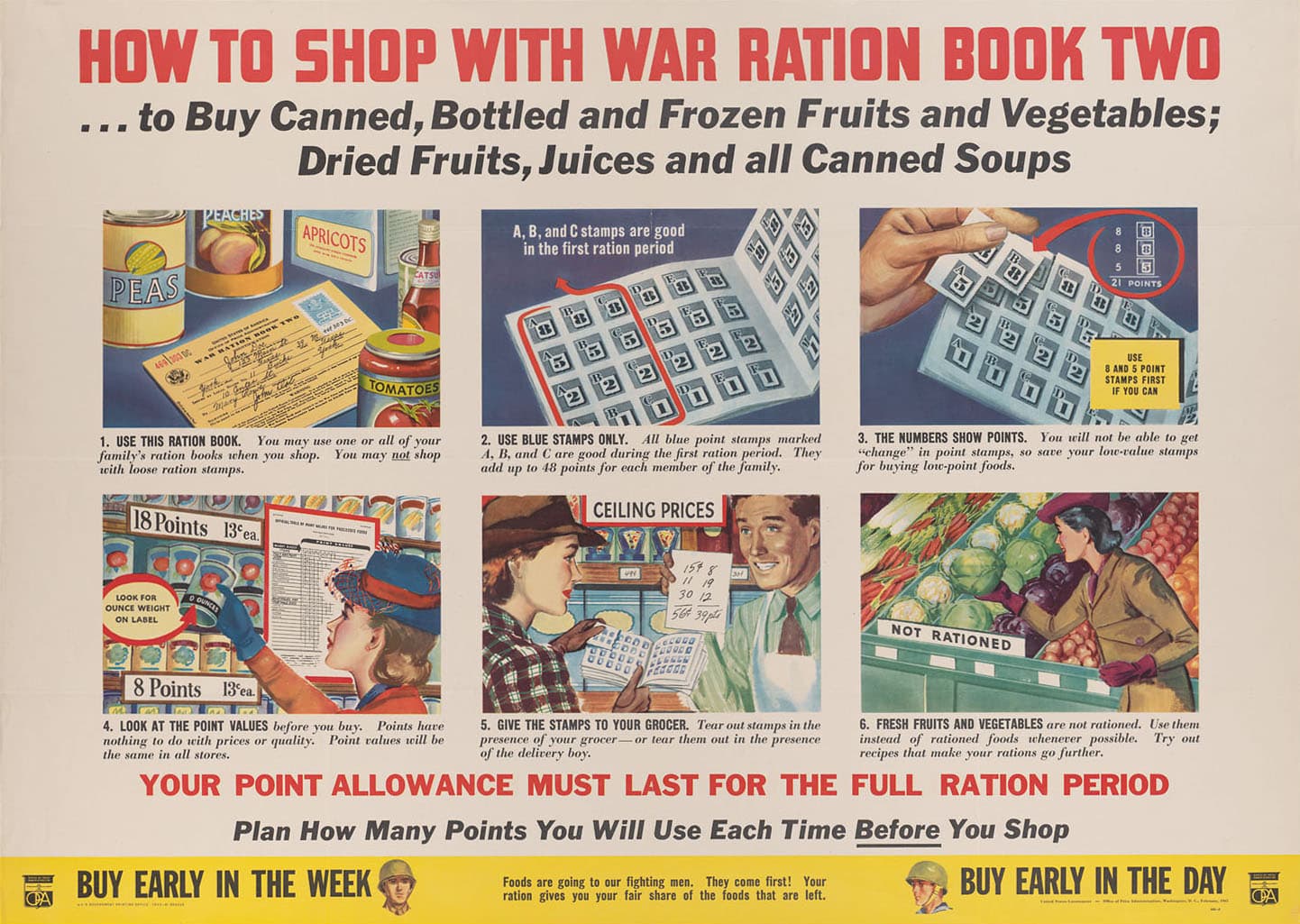
There was a time when canned soup, crackers, and other shelf-stable basics felt almost too ordinary to think about. Now they sit in the same mental category as coffee, eggs, and snacks: small purchases that add up fast. When a major packaged-food company signals that price increases and cost cutting are both on the table, it’s a reminder that the center aisles of the grocery store are no longer the low-drama part of the budget.
For shoppers, the practical question isn’t whether a company’s turnaround plan works. It’s whether the can, box, or pouch you buy every week still feels worth it. Cost cuts can show up in subtle ways, from recipe tweaks to package changes to fewer promotions, while price hikes are obvious the moment you scan the shelf tag. That combination tends to make loyal customers rethink habits they’ve kept for years.
This is where store brands and boring comparison shopping start to look smart, not cheap. If a pantry staple has crossed from convenient to overpriced, many households will decide that flavor, nostalgia, or brand recognition only goes so far. A five-minute label check can tell you whether the premium product still earns its spot, especially for foods you buy on repeat and use without much ceremony.
The bigger shift is cultural as much as financial: Americans are treating everyday groceries with the same skepticism they once reserved for big-ticket purchases. People are noticing shrinkage, watching sales cycles, and stocking up when prices make sense. For food companies, that means the old assumption of automatic loyalty is weaker than it used to be. For everyone else, it’s another nudge to shop with a sharper eye, even in the soup aisle.
Photo: Office of Price Administration via Wikimedia Commons (Public domain).

Related stories
Why a Spending Surge Doesn’t Mean Households Feel Rich
A strong month for consumer spending can sound like a victory lap, but many Americans know the difference between buying more and feeling financially comfortable. The real story is how households keep spending while staying cautious everywhere else.

What Empty Parking Lots Can Tell You About Shifting Spending Habits
Consumer confidence doesn’t always show up in headlines first. Sometimes the clearest clues are quieter: lighter shopping traffic, more selective purchases, and households stretching the life of what they already own.
Why Shoppers Keep Opening Their Wallets Even When Prices Still Sting
Americans are still spending, but that doesn’t mean household budgets feel comfortable. The real story is how people are getting more selective, stretching timing, and redefining what counts as a worthwhile purchase.