Why Pantry Staples Are Becoming a Budget Mood Ring
When big food brands brace for softer demand, it usually means shoppers are getting more selective in the grocery aisle. For households, that can be a useful cue to rethink which convenience buys still earn their place in the cart.
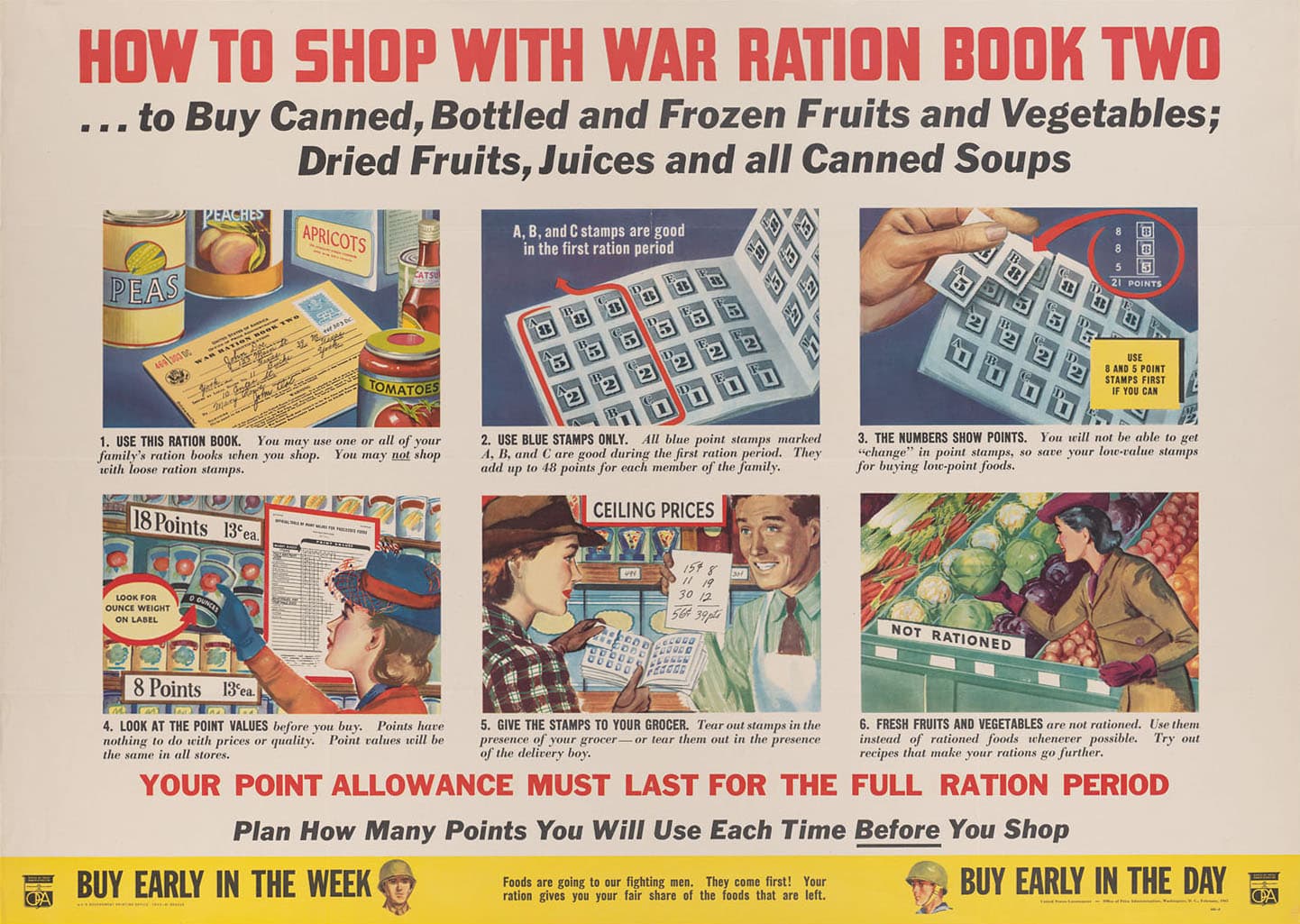
When a major packaged-food company signals a slower year, it’s often less about one brand and more about the national mood in the grocery store. Shoppers are still buying essentials, but they’re hesitating longer, comparing sizes, waiting for promotions, and swapping familiar labels for store brands when the difference feels small. That makes pantry staples a surprisingly good read on household stress.
For consumers, the practical takeaway isn’t to panic-buy canned goods. It’s to get sharper about what counts as a real convenience. A condensed soup or ready-made meal can still be worth it on a busy weeknight, but only if it actually saves time, prevents takeout, or gets eaten. The most expensive item in the cart is often the “easy” option that sits in the cabinet until it expires.
This is also a moment when private-label products have an advantage. Many shoppers spent years paying extra for habit, not necessarily for a big jump in quality. If budgets feel tighter, the smartest experiment in the store may be testing one or two store-brand basics instead of doing a full grocery overhaul. Small switches are easier to stick with than dramatic frugality plans that collapse after a week.
The broader culture shift is that value now means flexibility, not just a low shelf price. People want foods that stretch across multiple meals, survive a chaotic schedule, and reduce waste. Brands that can’t make that case clearly may struggle, and shoppers should take that as permission to be less loyal. In this economy, the cart belongs to whoever makes dinner easiest without making the receipt sting.
Photo: Office of Price Administration via Wikimedia Commons (Public domain).

Related stories
Why a Spending Surge Doesn’t Mean Households Feel Rich
A strong month for consumer spending can sound like a victory lap, but many Americans know the difference between buying more and feeling financially comfortable. The real story is how households keep spending while staying cautious everywhere else.

What Empty Parking Lots Can Tell You About Shifting Spending Habits
Consumer confidence doesn’t always show up in headlines first. Sometimes the clearest clues are quieter: lighter shopping traffic, more selective purchases, and households stretching the life of what they already own.
Why Shoppers Keep Opening Their Wallets Even When Prices Still Sting
Americans are still spending, but that doesn’t mean household budgets feel comfortable. The real story is how people are getting more selective, stretching timing, and redefining what counts as a worthwhile purchase.