Why a Slow Shopping Month Can Be Good News for Your Budget
When spending cools off, shoppers often gain a little leverage. For households trying to stretch paychecks, a softer retail month can be a reminder to buy later, compare harder, and stop treating every sale as urgent.
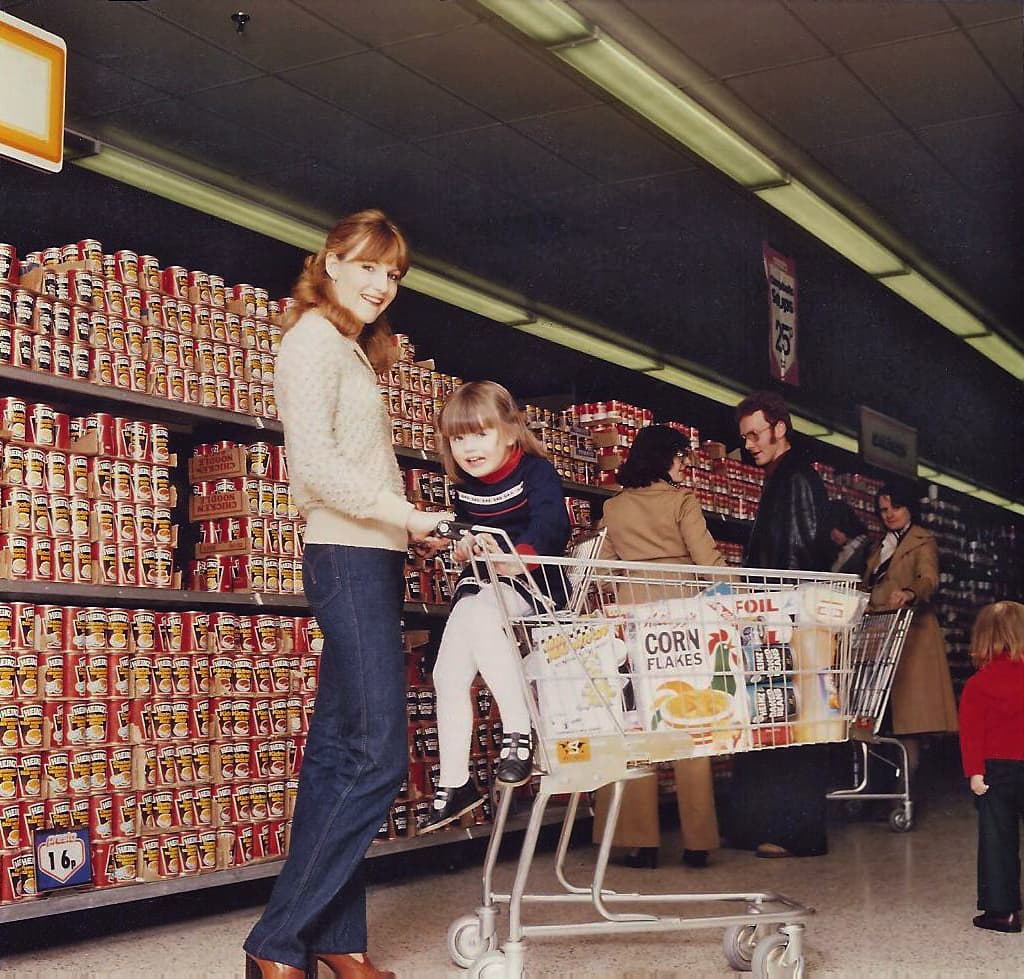
A weaker shopping month is not just a business story for Wall Street watchers. It can also be a useful cue for regular households: retailers get more eager when customers get more selective. If you have been feeling squeezed by everyday costs, this is the kind of moment when patience starts to pay off.
Stores are very good at creating artificial urgency, especially online. But when demand softens, the balance shifts a little. That does not mean everything suddenly becomes cheap. It means shoppers have more reason to pause, leave items in the cart, wait for a better promotion, and compare brands instead of reflexively buying the familiar one.
This is also a good time to separate real needs from mood spending. A lot of retail purchases happen because people are tired, bored, or trying to feel briefly in control. There is nothing wrong with a treat, but a slower sales environment is a reminder that not buying on schedule is its own kind of power. Delaying a purchase by a week often reveals whether it was necessary at all.
For deal-minded readers, the takeaway is simple: let stores chase you a little. Watch for markdown cycles, check return policies before impulse buys, and resist the idea that every promotion is the last chance. In a softer retail climate, the smartest flex is not spending more cleverly on everything. It is getting comfortable spending less often.
Photo: Debbie Mc via Wikimedia Commons (CC BY 2.0).

Related stories

Why a Spending Surge Doesn’t Mean Households Feel Rich
A strong month for consumer spending can sound like a victory lap, but many Americans know the difference between buying more and feeling financially comfortable. The real story is how households keep spending while staying cautious everywhere else.

What Empty Parking Lots Can Tell You About Shifting Spending Habits
Consumer confidence doesn’t always show up in headlines first. Sometimes the clearest clues are quieter: lighter shopping traffic, more selective purchases, and households stretching the life of what they already own.

Why Shoppers Keep Opening Their Wallets Even When Prices Still Sting
Americans are still spending, but that doesn’t mean household budgets feel comfortable. The real story is how people are getting more selective, stretching timing, and redefining what counts as a worthwhile purchase.