The Smart Home Gear Worth Watching Isn’t Always the Flashiest
New smart-home launches are getting more ambitious, but for most households the real value still comes down to setup, reliability, and whether devices actually solve small daily hassles. That’s the lens US shoppers should use as more accessory brands push deeper into connected living.
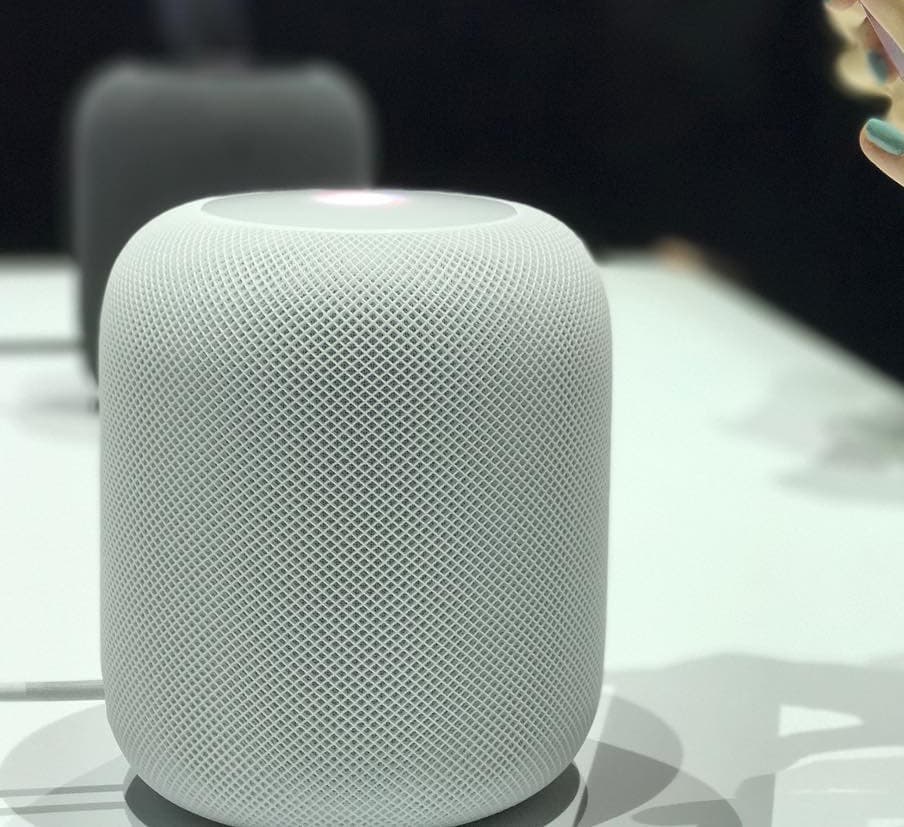
Accessory brands moving into the smart-home space is a logical next step, especially now that consumers expect their chargers, hubs, speakers, and security gadgets to work together instead of living as separate little islands. The interesting part isn’t the branding exercise. It’s whether these companies can turn a pile of decent hardware into a system that feels simple enough for normal households to trust.
For US shoppers, the biggest question is not whether a new smart-home platform sounds futuristic. It’s whether it saves time in ordinary moments: cutting down cable clutter, making device charging easier, helping manage home office gear, or letting a family automate a few routines without needing a weekend of troubleshooting. A connected home setup only feels modern if it fades into the background and works on the first try.
That is why new entries in the category should be judged less like flashy tech demos and more like kitchen appliances. Reliability matters more than novelty. App quality matters more than buzzwords. Compatibility with the devices people already own matters more than a grand vision of the future. A brand that already knows how to make practical desk and travel gear has a real opening here, but only if it keeps the focus on convenience instead of complexity.
There’s clearly room in the US market for smarter everyday tech that feels affordable, tidy, and low-drama. But consumers have also seen enough abandoned apps and half-supported ecosystems to be skeptical. The brands that win this next wave of smart-home adoption will probably be the ones that treat AI and automation as quiet helpers, not the main character of the house.
Photo: Nobuyuki Hayashi via Wikimedia Commons (CC BY 2.0).

Related stories
The Smartest Way to Shop New Tech Right Now
The newest gadget drop is always tempting, but the best buy is often the device that solves one daily annoyance without adding three new ones. For US shoppers, this is a good moment to focus on comfort, compatibility, and how long a product will still feel useful after the hype fades.

Why Chip Revenue Swings Matter to Everyday Tech Shoppers
Wall Street watches chip-company revenue for clues about the future, but regular consumers can read the same signals in a more practical way. When memory and mobile-chip demand shifts, it often shows up later in laptop deals, phone upgrades, and the timing of big tech purchases.

Why AI Money News Matters to Regular Tech Shoppers
Big funding rounds and IPO chatter can feel distant, but they often shape the apps, devices, and subscriptions Americans use every day. The real question is whether the next wave of AI competition brings better tools or just higher monthly bills.