The Smart-Home Show That Actually Matters to American Shoppers
Big European tech expos can feel far away, but they often preview the appliances, audio gear, and home gadgets that eventually shape US shopping lists. The real value is learning which trends look useful at home and which ones are just trade-show theater.
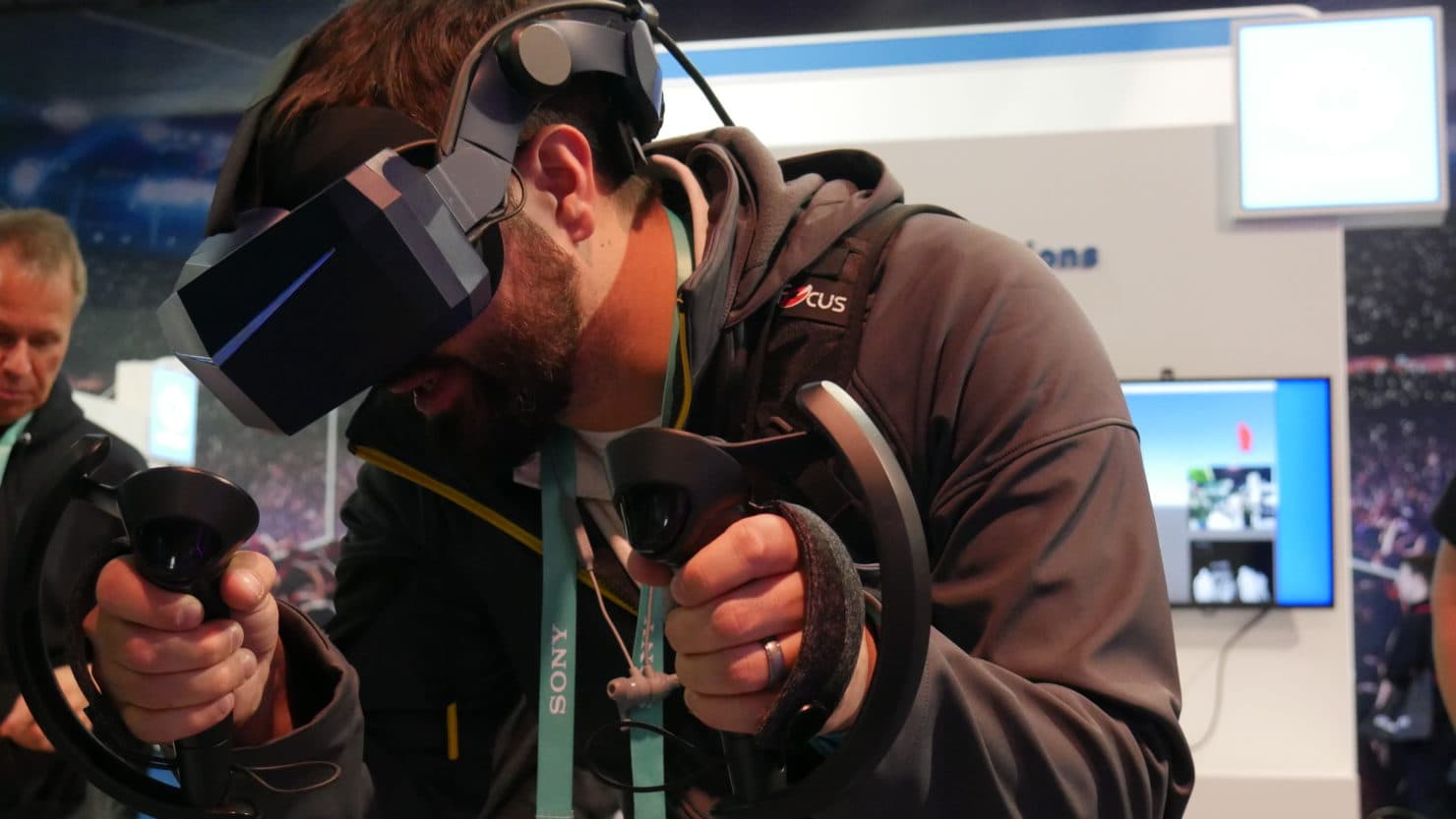
For US readers, a giant European tech show only matters if it points to products and habits that will show up in everyday life here. That usually means less focus on concept gadgets and more attention to the categories people actually replace: TVs, headphones, robot vacuums, kitchen appliances, laptops, and home energy devices. If a trend looks practical on a showroom floor and easy to explain in one sentence, it has a decent chance of crossing the Atlantic.
The most interesting part of a show like this is not the flashiest launch. It is the slow consensus that forms when multiple brands start pushing the same idea at once. If several companies are talking about longer device life, easier repairs, better battery management, or appliances that save space in smaller homes, that is a stronger signal than any single keynote. For shoppers, those are the clues worth tracking before holiday sales start turning trend talk into real buying decisions.
American consumers should also pay attention to what does not translate well. A gadget can look polished in a demo and still be a bad fit for US homes, retailer shelves, or service networks. Smart-home products are especially guilty here: beautiful hardware means very little if setup is annoying, app support is weak, or compatibility is a mess. The useful question is not whether something feels futuristic, but whether it will still feel convenient after three months in a real kitchen or living room.
That is why these events are best treated as an early filter, not a shopping guide. They help reveal where manufacturers think demand is headed, especially around AI features, energy-conscious appliances, and devices designed to do more without taking over the room. For practical shoppers, the smartest move is to watch the categories, ignore the hype words, and wait to see which products survive long enough to earn real reviews and real discounts.
Photo: Calvinyau via Wikimedia Commons (CC BY-SA 4.0).

Related stories
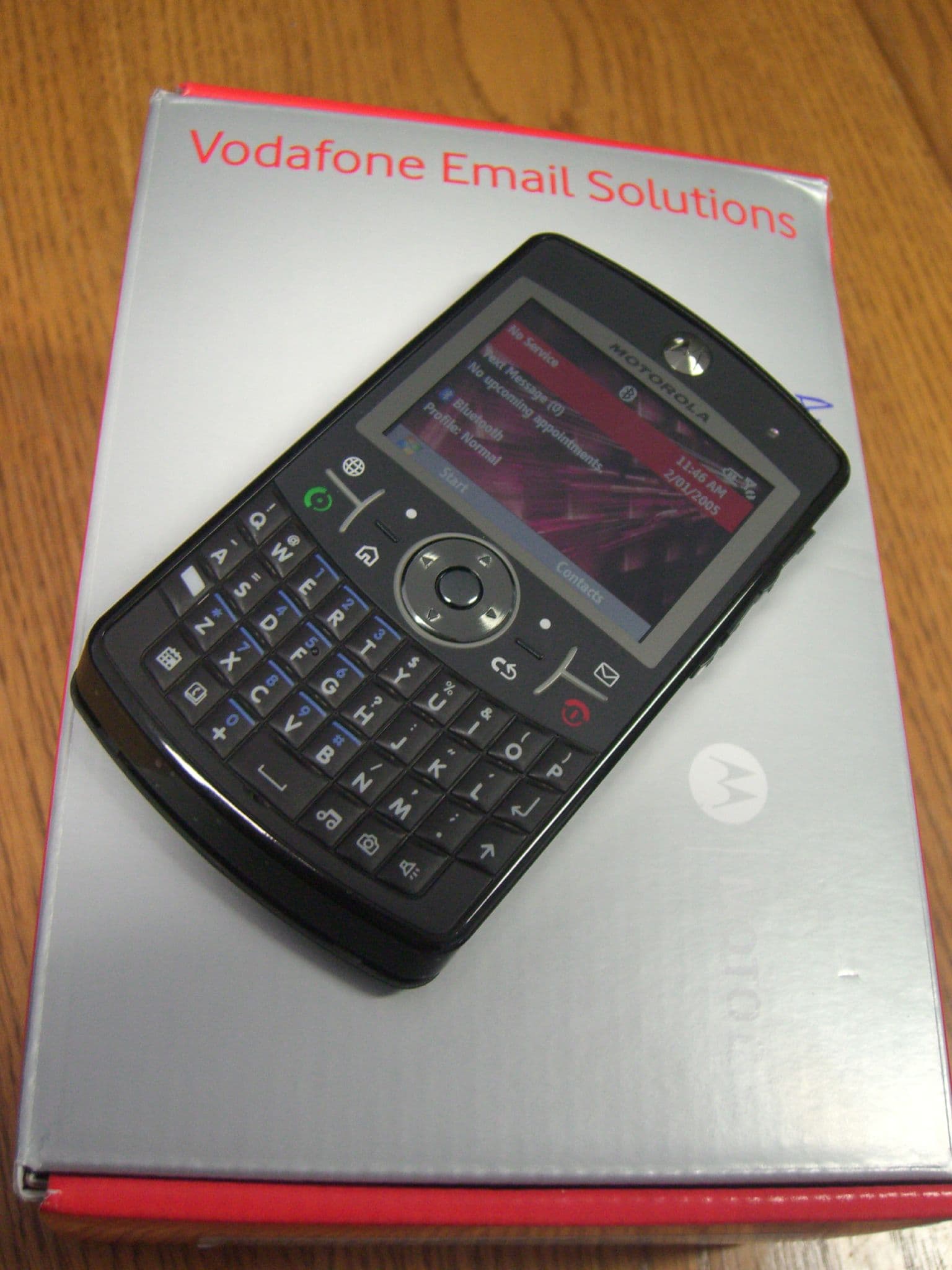
The Smartest Way to Shop New Tech Right Now
The newest gadget drop is always tempting, but the best buy is often the device that solves one daily annoyance without adding three new ones. For US shoppers, this is a good moment to focus on comfort, compatibility, and how long a product will still feel useful after the hype fades.

Why Chip Revenue Swings Matter to Everyday Tech Shoppers
Wall Street watches chip-company revenue for clues about the future, but regular consumers can read the same signals in a more practical way. When memory and mobile-chip demand shifts, it often shows up later in laptop deals, phone upgrades, and the timing of big tech purchases.

Why AI Money News Matters to Regular Tech Shoppers
Big funding rounds and IPO chatter can feel distant, but they often shape the apps, devices, and subscriptions Americans use every day. The real question is whether the next wave of AI competition brings better tools or just higher monthly bills.