The Next Home Screen Is Probably Sitting on Your Counter
A dedicated home hub makes sense if it saves taps, not if it creates another gadget to manage. For US households, the real appeal is simple control, shared access, and fewer phone-first chores.
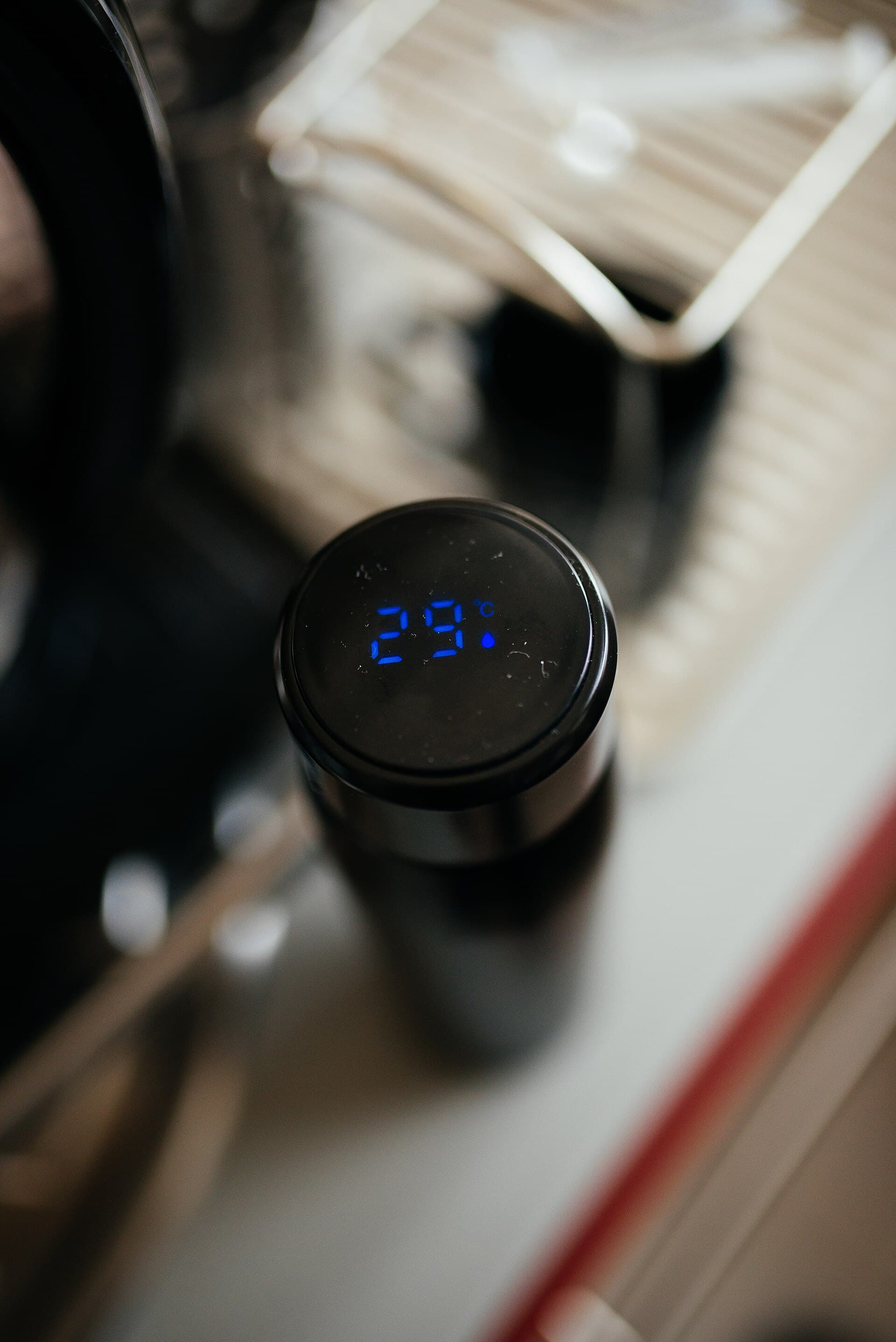
The smart-home market has spent years promising a futuristic life and delivering a lot of app switching. That is why the idea of a dedicated home hub still has appeal: most people do not need more features, they need fewer steps. If a device can handle lights, music, timers, cameras, and quick household check-ins from one place, it starts to feel less like a tech toy and more like an appliance.
That shift matters because the average home is not run by one power user. It is run by roommates, partners, kids, guests, and anyone else trying to dim the lights without downloading three apps and remembering two passwords. A shared screen in a kitchen or living room can solve a very ordinary problem that phones do not always solve well: making home controls visible to everyone, not buried inside one person’s device.
The real test, though, is whether a hub reduces friction or just adds another screen to maintain. Americans are already pretty good at ignoring gadgets that ask for constant setup, updates, and accessory shopping. A home controller earns its spot when it works at a glance, responds quickly, and fits into routines people already have, like checking the weather while making coffee or seeing who is at the door while cleaning up dinner.
That is why this category feels more interesting than flashy. The winning version is not the one that looks most ambitious on a keynote stage. It is the one that makes a house feel a little calmer, a little more organized, and a lot less dependent on everybody reaching for their phone every five minutes. If that happens, the smart hub could become one of the rare tech products that feels genuinely domestic instead of merely connected.
Photo: Shixart1985 via Wikimedia Commons (CC BY 2.0).

Related stories
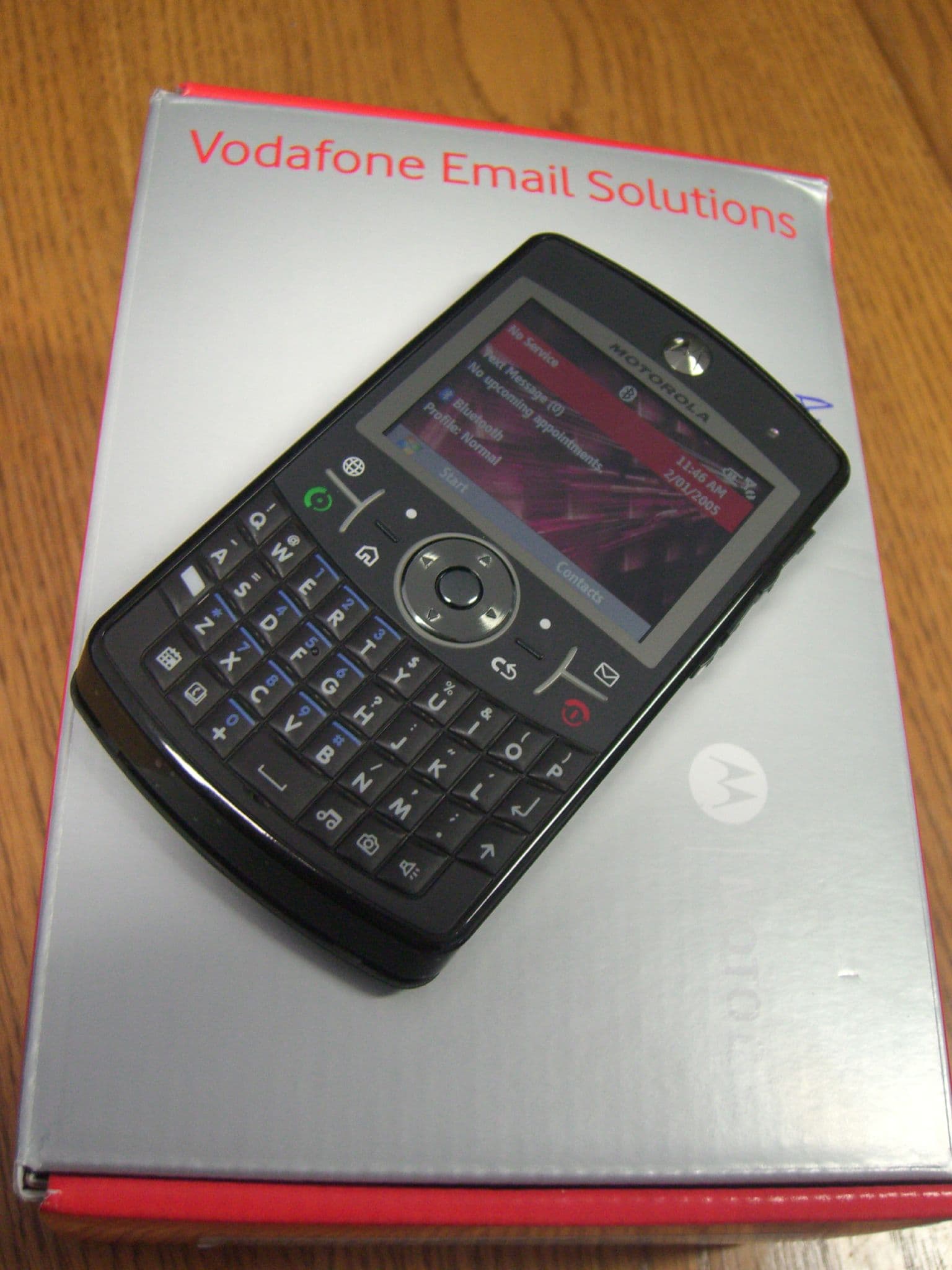
The Smartest Way to Shop New Tech Right Now
The newest gadget drop is always tempting, but the best buy is often the device that solves one daily annoyance without adding three new ones. For US shoppers, this is a good moment to focus on comfort, compatibility, and how long a product will still feel useful after the hype fades.

Why Chip Revenue Swings Matter to Everyday Tech Shoppers
Wall Street watches chip-company revenue for clues about the future, but regular consumers can read the same signals in a more practical way. When memory and mobile-chip demand shifts, it often shows up later in laptop deals, phone upgrades, and the timing of big tech purchases.

Why AI Money News Matters to Regular Tech Shoppers
Big funding rounds and IPO chatter can feel distant, but they often shape the apps, devices, and subscriptions Americans use every day. The real question is whether the next wave of AI competition brings better tools or just higher monthly bills.