Why Trade-Tech Classrooms Are Becoming the Smartest Bet in Higher Ed
As construction and infrastructure work get more technical, programs that teach both tools and systems look less like niche training and more like practical insurance against an uncertain job market. For students and families, the real value is often in programs that connect classroom learning to work people can actually picture doing.
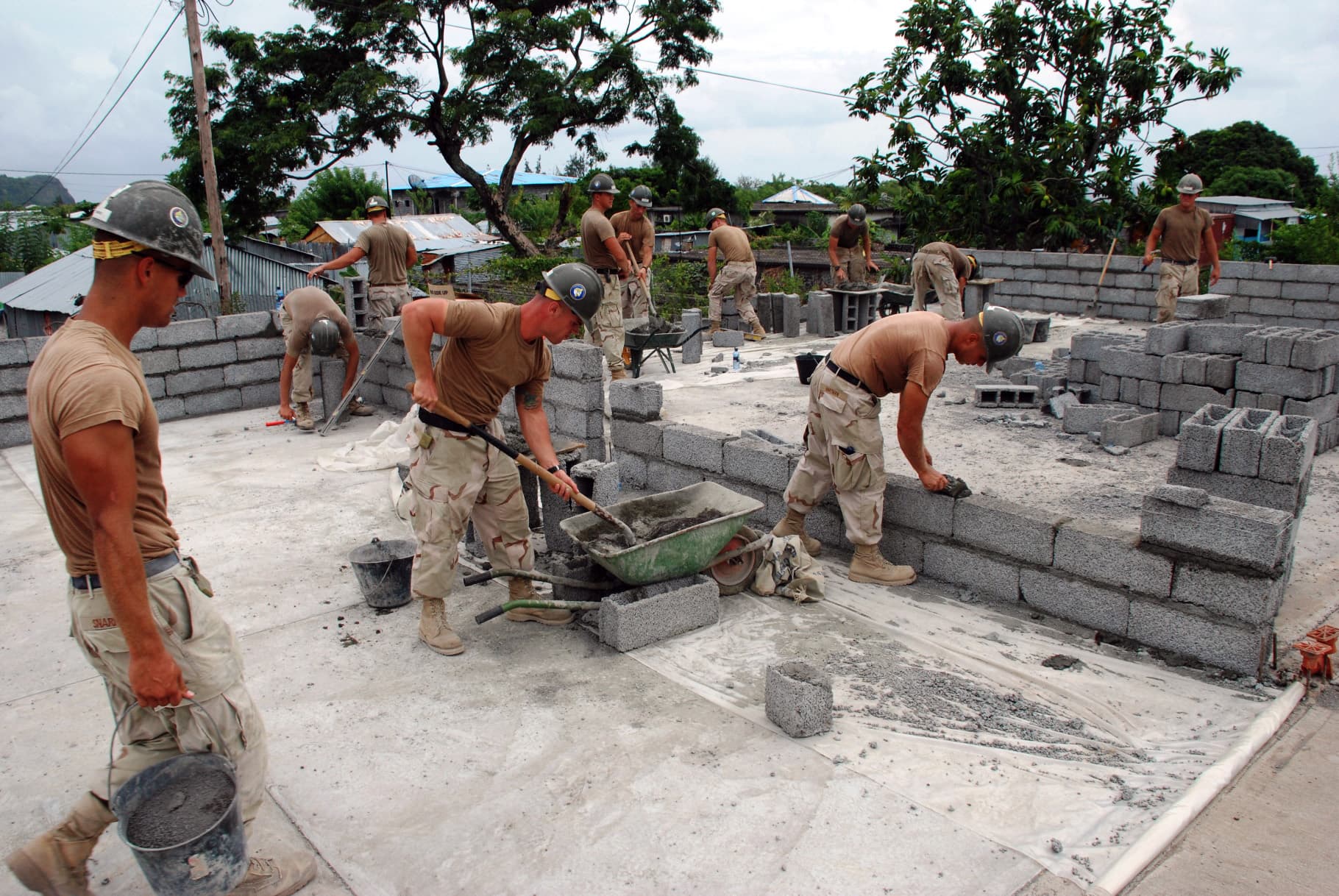
There’s a reason support keeps flowing toward hands-on technology programs: they sit in the sweet spot between a traditional degree and direct job training. Construction engineering technology is a good example of where that overlap matters. Students aren’t just learning theory or just learning a trade; they’re learning how modern building projects actually function, from software and systems to materials, planning, and field realities.
For families trying to make sense of college costs, that kind of program can feel refreshingly concrete. It points to a category of education where the path from tuition to work is easier to understand. That doesn’t mean every student should chase the same major, but it does mean schools that invest in applied technical learning are responding to a real demand: people want credentials that line up with visible, necessary work.
There’s also a broader cultural shift happening here. Construction is no longer seen only as manual labor disconnected from tech. Today’s building industry relies on digital tools, project coordination, safety systems, and increasingly specialized equipment. Programs that reflect that reality can help update the way students think about career options, especially those who want stable work without betting everything on a vague office-job future.
The practical takeaway is simple: when a college expands programs tied to infrastructure, building, and technical operations, it’s worth paying attention. These are the kinds of fields that tend to stay relevant because roads, housing, schools, and utilities still need to get built and maintained. In a higher-ed landscape full of soft promises, applied tech programs can offer something rarer: a clearer picture of what comes next.
Photo: U.S. Navy photo via Wikimedia Commons (Public domain).

Related stories

The Smartest Way to Shop New Tech Right Now
The newest gadget drop is always tempting, but the best buy is often the device that solves one daily annoyance without adding three new ones. For US shoppers, this is a good moment to focus on comfort, compatibility, and how long a product will still feel useful after the hype fades.

Why Chip Revenue Swings Matter to Everyday Tech Shoppers
Wall Street watches chip-company revenue for clues about the future, but regular consumers can read the same signals in a more practical way. When memory and mobile-chip demand shifts, it often shows up later in laptop deals, phone upgrades, and the timing of big tech purchases.

Why AI Money News Matters to Regular Tech Shoppers
Big funding rounds and IPO chatter can feel distant, but they often shape the apps, devices, and subscriptions Americans use every day. The real question is whether the next wave of AI competition brings better tools or just higher monthly bills.