The Most Exciting Vision Tech May Start With Aging, Not Eyeglasses
The next wave of eye care may come less from sharper lenses and more from treatments that target how cells age. For Americans watching both health costs and quality of life, that shift is worth paying attention to.
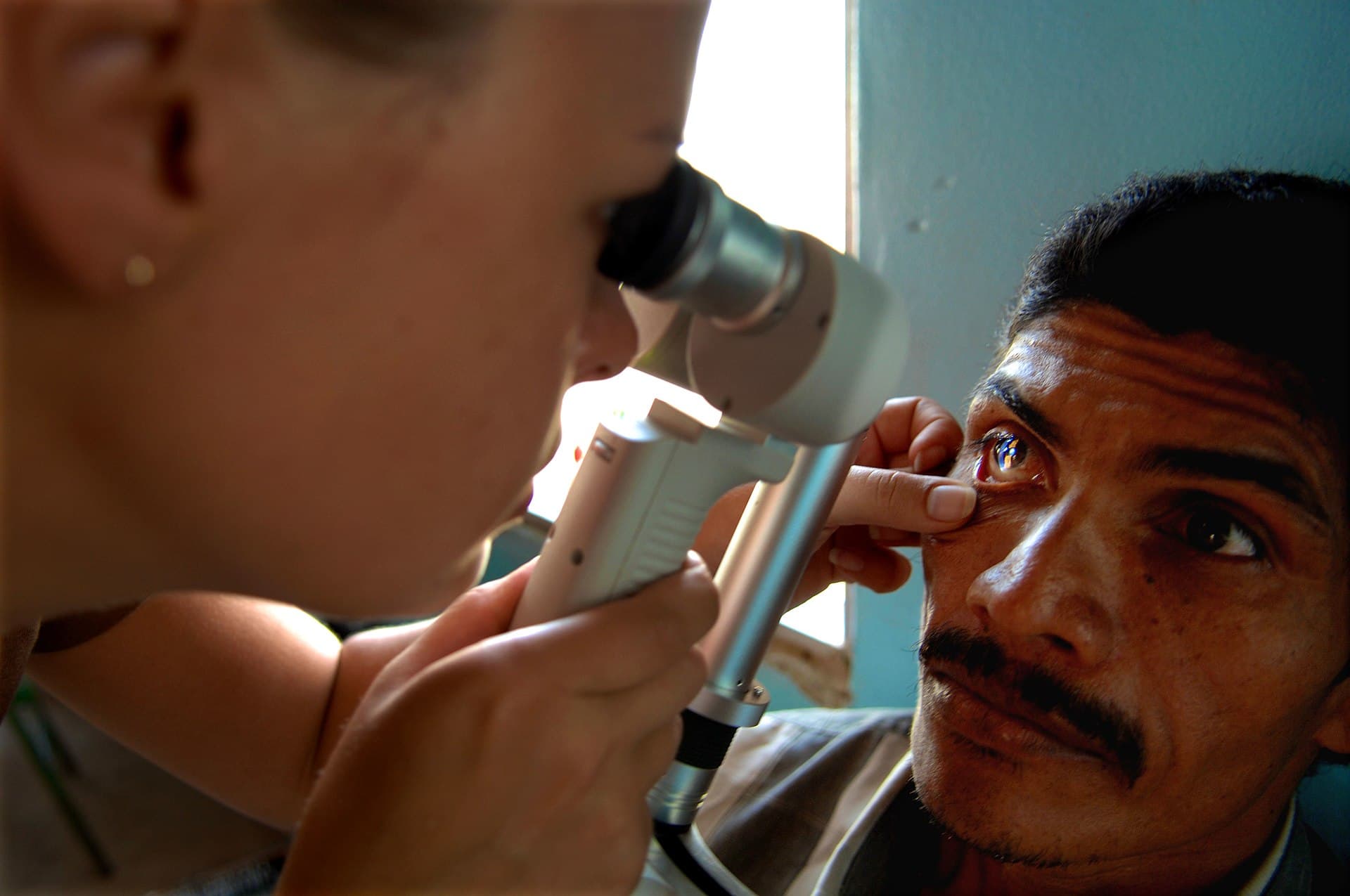
Most consumer conversations about vision still revolve around glasses, contacts, blue-light filters, and maybe the latest gadget with a brighter screen. But the more interesting story is happening deeper down, where researchers are exploring whether some forms of vision loss might be treated by addressing the biology of aging itself. That idea feels bigger than a routine health headline because eyesight is one of the daily functions people notice immediately when it starts to slip.
For US families, the practical angle is simple: losing vision can turn ordinary life into a logistics problem. Driving, reading medication labels, working on a laptop, shopping, and even recognizing faces all become harder. If new therapies can eventually help protect or restore sight by repairing age-related damage instead of only managing decline, that could change how people think about eye care in the same way preventive dentistry changed how people think about dental visits.
It is also a reminder that the most valuable technology is not always the flashiest device. A breakthrough in medicine that helps people keep their independence is arguably more meaningful than another premium screen or camera upgrade. Americans are used to hearing about innovation through the lens of consumer electronics, but health technology that preserves basic abilities may have a much more direct effect on household budgets and everyday freedom.
That does not mean anyone should treat early research like a guaranteed miracle. Promising science often takes time, and access, safety, and affordability matter as much as scientific headlines do. Still, vision is one area where even cautious progress feels significant, because restoring a small piece of sight can restore a large piece of normal life.
Photo: U.S. Navy photo by Mass Communication Specialist 1st Class David G. Crawford via Wikimedia Commons (Public domain).
,_conducts_an_eye_exam_for_a_Nicaraguan_man_at_a_medical_clinic.jpg)
Related stories
The Smartest Way to Shop New Tech Right Now
The newest gadget drop is always tempting, but the best buy is often the device that solves one daily annoyance without adding three new ones. For US shoppers, this is a good moment to focus on comfort, compatibility, and how long a product will still feel useful after the hype fades.

Why Chip Revenue Swings Matter to Everyday Tech Shoppers
Wall Street watches chip-company revenue for clues about the future, but regular consumers can read the same signals in a more practical way. When memory and mobile-chip demand shifts, it often shows up later in laptop deals, phone upgrades, and the timing of big tech purchases.

Why AI Money News Matters to Regular Tech Shoppers
Big funding rounds and IPO chatter can feel distant, but they often shape the apps, devices, and subscriptions Americans use every day. The real question is whether the next wave of AI competition brings better tools or just higher monthly bills.